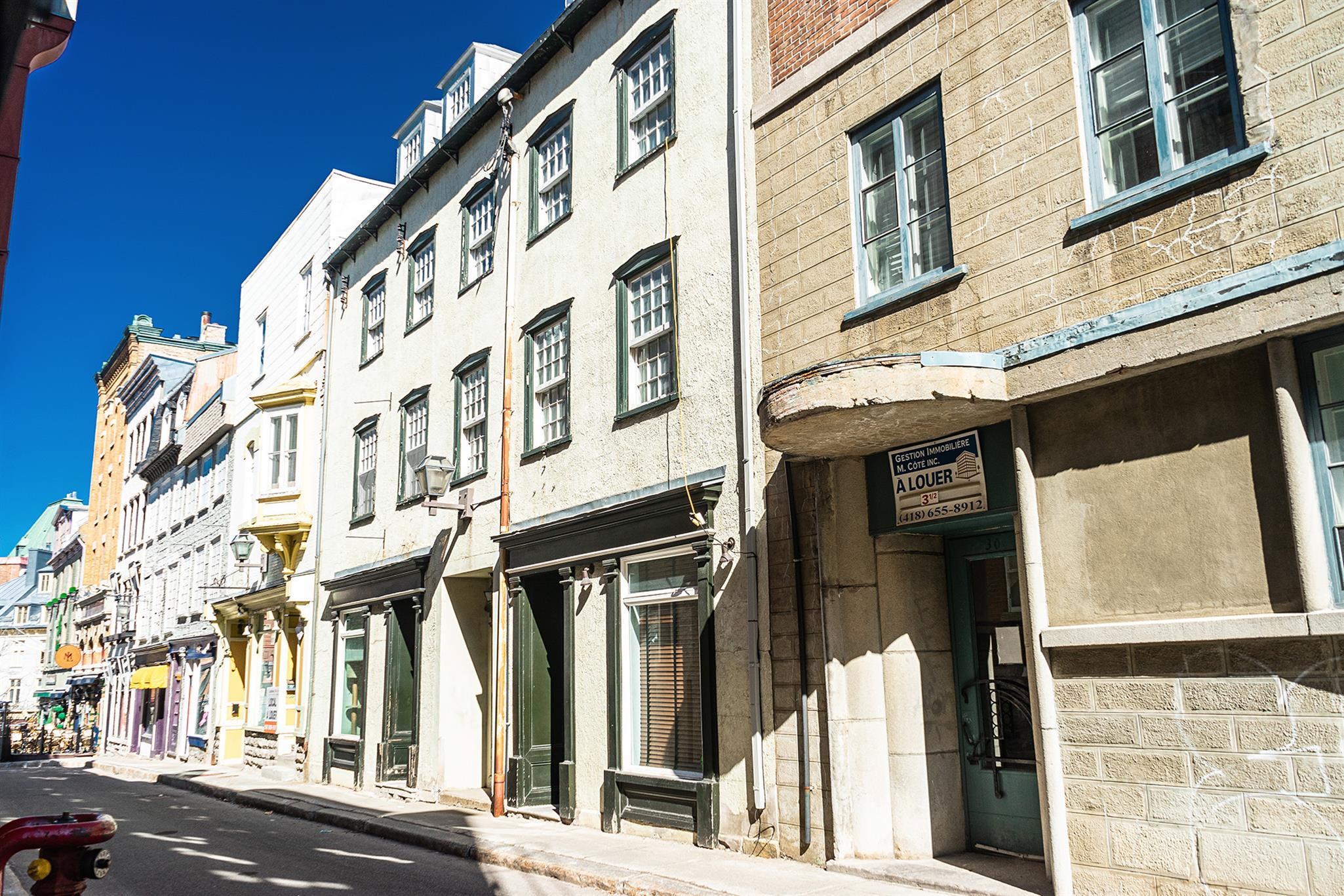
Buying an income property in Quebec City in 2026 is one of the most accessible paths to real estate wealth in Canada — but only for investors who treat it as a business decision rather than an emotional one. With vacancy rates at historic lows, rents that have caught up to financing costs in well-chosen neighborhoods, and a steady supply of small plex buildings, the math finally works again on the right property. The challenge is identifying which buildings are “right” and avoiding the ones that quietly bleed money.
This guide covers what is moving the Quebec City multi-unit market in 2026, the numbers that separate cash-flowing properties from money pits, the financing rules that change at the five-unit threshold, where to look, and the management decision every first-time landlord eventually faces.

Why Quebec City Is a Compelling Income-Property Market in 2026
Several factors are working in favor of investors this year.
Vacancy is at a structural low. Quebec City’s rental vacancy rate has remained tight for over three consecutive years. Well-located, well-maintained units rent within days of being listed, often with multiple qualified applicants. For an investor, that translates directly into stable, predictable rental income.
Rent levels have caught up. After years of being suppressed relative to other Canadian cities, Quebec City rents have moved meaningfully higher. Combined with property prices that remain reasonable, this restores the cash flow math that disappeared in markets like Toronto and Vancouver years ago.
Plex inventory is plentiful by Canadian standards. Quebec’s historic preference for two-, three-, and four-unit buildings means there are genuinely more options for first-time investors than in cities dominated by single-family stock or large condo towers.
The local economy keeps demand resilient. Government, healthcare, university, and an expanding tech sector keep tenant demand diversified — which matters when you are underwriting a 25-year hold.
Triplex, Fourplex, or Something Larger — What Fits Your Goals
The right property type depends on your capital, your time, and your tolerance for complexity.
Duplex. The simplest entry point. You can owner-occupy one unit, which unlocks residential financing terms and lower down payment requirements. The math is closer to homeownership with a rental offset than a true investment property.
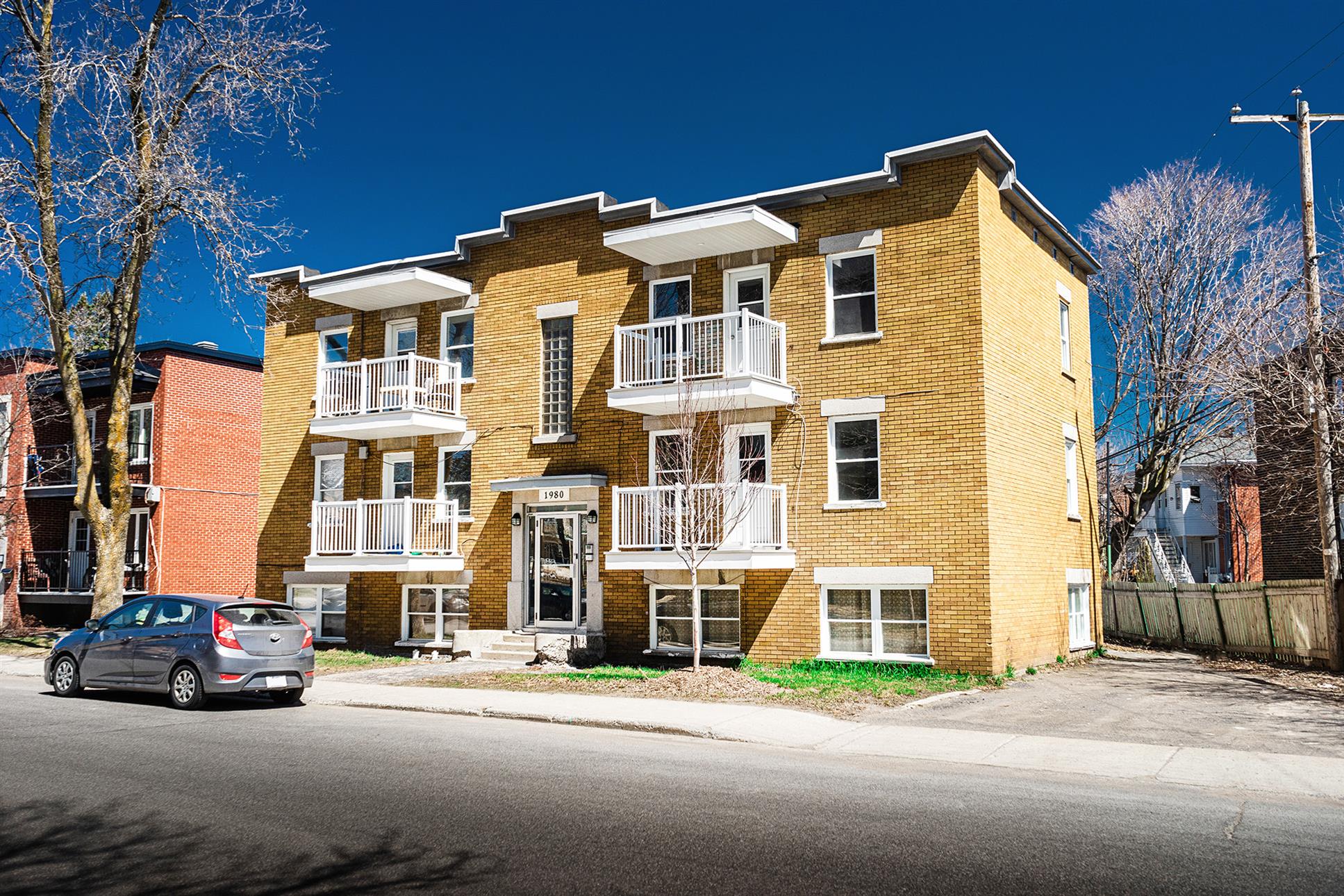
Triplex. The sweet spot for many first-time investors. Still qualifies for residential financing in most cases (when owner-occupied), generates meaningful rental income, and stays manageable for self-management if you choose that path.
Fourplex. Stronger cash flow potential and economies of scale on maintenance, but still under the residential financing threshold when owner-occupied. The most efficient property type for many serious first investors.
Five-or-more units. A different financing universe entirely (covered below), more rigorous due diligence, and meaningfully different management demands. Worth considering only after the smaller buildings stop feeling challenging.
The Numbers That Actually Matter
Listing photos sell buildings, but numbers determine whether you make money. Three measurements should anchor every analysis.
Gross Rent Multiplier (GRM). Purchase price divided by annual gross rent. Lower is better. In Quebec City in 2026, well-priced plex properties in solid neighborhoods often sit in the 10–14 range. Anything above 16 needs a strong reason — usually upside through renovation or rent normalization.
Capitalization rate (cap rate). Net operating income divided by purchase price. Net operating income is rent minus all operating expenses (taxes, insurance, maintenance, vacancy allowance, management) but before financing. Quebec City plex cap rates in 2026 generally land between 4.5% and 6.5%, with smaller buildings on the lower end.
Cash flow after debt service. The number that actually lands in your bank account. Cap rate looks good on paper, but if your mortgage payment exceeds your NOI, you have a negative-cash-flow property — sometimes acceptable for a strong appreciation play, never acceptable by accident.
A useful filter: a property that does not at least break even on cash flow at current rates is a property that requires very specific conviction about either renovations, rent increases, or appreciation. Most first-time investors are better off finding cash flow first.

Financing Changes at Five Units — and Why It Matters
Canadian financing rules treat buildings of four units or fewer as residential, and buildings of five units or more as commercial. The differences are significant.
Four units and under (owner-occupied):
- Down payments from 5% to 10% depending on price
- Residential mortgage rates
- Insurance available through CMHC, Sagen, or Canada Guaranty
- Qualification based largely on personal income plus rental offset
Five units and over:
- Down payments typically 15% to 25%
- Commercial mortgage terms and rates
- Underwriting based on the building’s NOI, not just your personal income
- Stricter requirements on building condition, environmental reports, and tenancy
For most first-time investors, staying at four units or fewer for the first acquisition keeps the financing simpler and the entry cost lower. Move into the five-plus category once you have the experience and capital to handle it well.
Where to Look in Quebec City for Income Property
Some neighborhoods consistently produce better risk-adjusted returns than others.
Limoilou. Strong tenant demand, an ongoing wave of neighborhood revitalization, and plex inventory at accessible price points. One of the most actively traded districts for plex investors in 2026.
Saint-Sauveur and Saint-Roch. Lower entry prices, improving streetscapes, and proximity to the downtown employment base. Higher upside, modestly higher management complexity.
Montcalm. Premium tenant profile, strong rents, and stable long-term holds. Lower yields but exceptional tenant quality and turnover stability.
Sainte-Foy and Sillery edges. Larger buildings, university-area demand, and proximity to major employers. Worth exploring for investors comfortable with slightly larger purchases.
Beauport and Charlesbourg. More affordable entry, family-tenant profiles, and longer holds. Quieter management, lower turnover, and often overlooked by investors focused on central neighborhoods.
Investors evaluating whether to position units toward longer-term family tenants versus shorter-term professional renters will find context from the rental market analysis at Frédéric Murray Rentals and the broader portfolio view at Frédéric Murray Properties helpful before committing.
Due Diligence Beyond the Standard Inspection
For multi-unit properties, the standard residential inspection is the floor, not the ceiling.
- Rent roll verification. Confirm actual leases, security deposits, and that listed rents match deposited rents. Sellers occasionally inflate this.
- Tenant ledgers and arrears history. A property full of paying tenants is different from a property full of tenants who pay sometimes.
- Régie / Tribunal administratif du logement (TAL) history. Outstanding disputes or rent-control filings can constrain your ability to raise rents post-purchase.
- Major systems condition. Roof, plumbing stacks, electrical service, heating systems — replacement cost on any one of these can erase a year of cash flow.
- Municipal compliance. Conformity certificates, fire code, and any non-conforming use issues need clear answers before closing.
- Environmental flags. Older buildings can have oil tanks, asbestos, or vermiculite. None are deal-breakers, but they need disclosure and pricing.
The Management Decision
Every income-property owner eventually faces the same choice: manage the building yourself or hire a professional.
Self-management works well for owner-occupants of small plexes, investors with strong handyman skills and patient temperaments, and anyone with one property within easy driving distance. It saves the management fee (typically 5–8% of gross rent in Quebec City) and keeps you close to the asset.
Professional management becomes the better choice once you own multiple properties, hold a property out of town, or simply want to protect your time and avoid the after-hours plumbing calls. A good manager handles tenant screening, rent collection, maintenance coordination, and Régie filings — and on a well-run building, often more than pays for the fee through better tenant retention and fewer costly mistakes.
The team at Frédéric Murray Management handles both residential and commercial property management across Quebec City and is a useful resource if you are weighing the self-manage versus professional decision.
Common Pitfalls First-Time Investors Make
The same handful of mistakes recur across new income-property buyers:
- Buying on emotion instead of numbers. A “charming” building with weak fundamentals stays weak after closing.
- Underestimating capital expenses. Set aside 5–10% of gross rent annually for capital reserves. Skipping this turns the first major repair into a financial crisis.
- Overestimating market rents. Look at what units in the same neighborhood actually rent for in 2026, not what a seller’s pro forma suggests is possible.
- Skipping the rent roll and ledger review. A signed lease is not the same as a paying tenant.
- Trying to flip Régie-protected leases. Quebec’s tenancy regime protects sitting tenants meaningfully. Strategies built on quickly removing tenants and resetting rents rarely work as advertised.
The 2026 Outlook for Quebec City Income Property
Looking ahead, three trends will continue to shape the market.
Demand will stay strong. Vacancy is unlikely to loosen meaningfully given current immigration patterns, university enrollment, and limited new construction in the central neighborhoods.
Operating costs will keep climbing. Property taxes, insurance, and energy costs are all on upward trajectories. Investors who underwrite tight margins will get squeezed; those who buy with breathing room will be fine.
The best opportunities will increasingly require relationships rather than listing-service browsing. Many of the strongest plex buildings change hands quietly between known buyers and sellers.
If you are considering your first multi-unit purchase in Quebec City this year and would like a clear-eyed conversation about what your capital can realistically buy and what kind of returns to expect, the Murray Immeuble team is available to walk you through it.


Leave a Reply