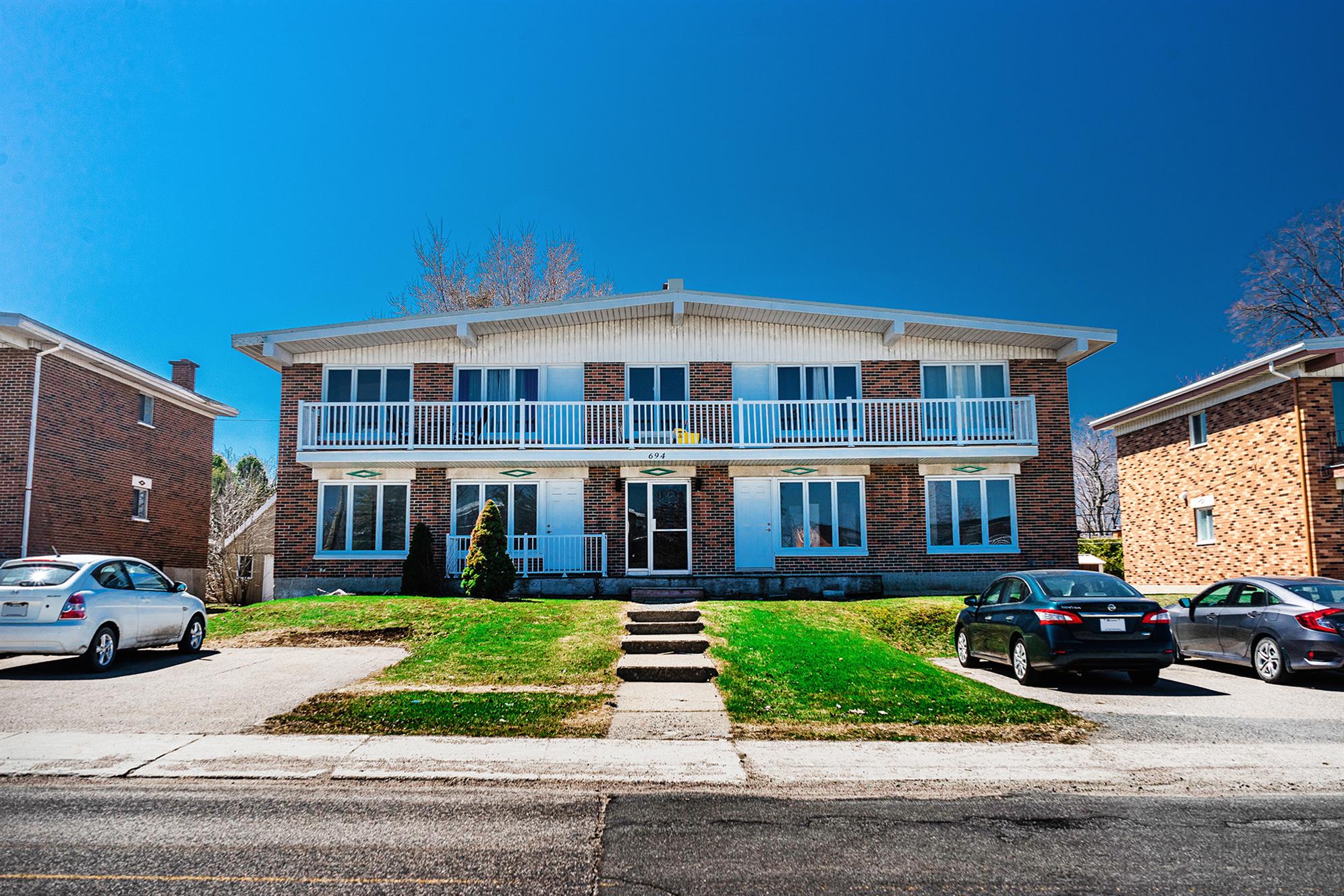
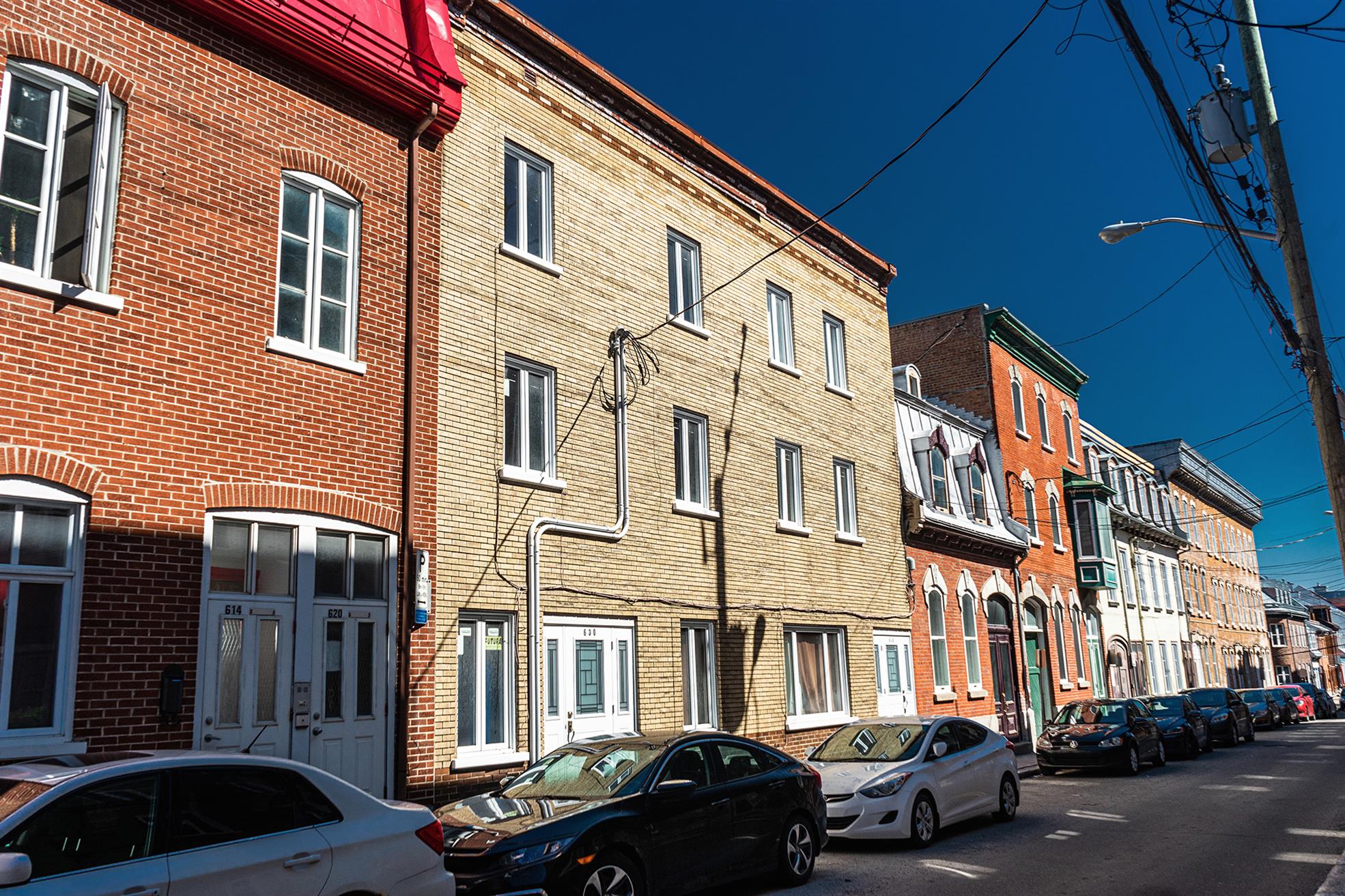
Trouver un appartement à Québec dans le marché actuel représente un véritable défi. Les taux d’inoccupation historiquement bas et la forte demande créent une compétition intense entre locataires potentiels. Frederic Murray et l’équipe du Groupe Murray accompagnent des centaines de locataires chaque année dans cette recherche, offrant une perspective unique sur les meilleures pratiques à adopter.
Comprendre le marché locatif québécois
Le marché de la location à Québec fonctionne selon des règles distinctes du reste du Canada. Le bail standard au Québec, encadré par la Régie du logement, protège autant les locataires que les propriétaires. Cette réglementation crée un environnement stable et prévisible pour toutes les parties.
Les loyers varient considérablement selon les quartiers. Le Vieux-Québec et Montcalm commandent des prix plus élevés en raison de leur emplacement privilégié et de leur cachet historique. Limoilou et Saint-Sauveur offrent des options plus abordables tout en gagnant en popularité. Immeubles Murray possède des propriétés dans plusieurs de ces secteurs, permettant aux locataires de choisir selon leurs priorités.
Préparer sa candidature
Dans un marché compétitif, une candidature bien préparée fait toute la différence. Les propriétaires recherchent des locataires fiables avec un historique de paiement solide. Rassembler les documents nécessaires à l’avance accélère le processus.
Une preuve d’emploi récente, des références de propriétaires précédents et une vérification de crédit constituent les éléments de base. Le Groupe Murray évalue chaque candidature avec rigueur tout en maintenant un processus respectueux et transparent.
La rapidité compte également. Les appartements de qualité se louent parfois en quelques jours seulement. Murray Immeubles conseille aux chercheurs de logement de visiter promptement les propriétés qui correspondent à leurs critères et de soumettre leur candidature sans délai.
Les critères essentiels à évaluer
Au-delà du coup de cœur initial, plusieurs aspects pratiques méritent attention lors des visites. L’état général du logement, la pression d’eau, le fonctionnement des appareils électroménagers et le système de chauffage doivent être vérifiés.
La luminosité naturelle, l’insonorisation et l’espace de rangement influencent grandement la qualité de vie quotidienne. Frederic Murray recommande de visiter à différentes heures si possible pour évaluer le bruit ambiant et l’ensoleillement.
L’environnement immédiat compte autant que le logement lui-même. La proximité des transports en commun, des épiceries et des parcs contribue au confort quotidien. Les quartiers où Groupe Murray concentre ses propriétés offrent généralement un accès facile à ces commodités essentielles.
Comprendre le bail québécois
Le bail résidentiel au Québec comporte des particularités importantes. La durée standard est de 12 mois, généralement du 1er juillet au 30 juin, bien que d’autres arrangements soient possibles. Le renouvellement se fait automatiquement aux mêmes conditions sauf avis contraire.
Les augmentations de loyer sont encadrées par des balises établies annuellement par le Tribunal administratif du logement. Cette protection assure une prévisibilité appréciable pour les locataires. Immeubles Murray respecte scrupuleusement ces normes dans la gestion de toutes ses propriétés.
Les droits et responsabilités
Locataires et propriétaires partagent des obligations mutuelles. Le locataire doit payer son loyer à temps, maintenir le logement propre et signaler rapidement tout problème d’entretien. Le propriétaire doit fournir un logement en bon état, effectuer les réparations nécessaires et respecter la jouissance paisible du locataire.
Le Groupe Murray maintient une équipe dédiée à l’entretien qui répond rapidement aux demandes des locataires. Cette réactivité distingue une gestion professionnelle et contribue à la satisfaction des résidents. Frederic Murray considère cette relation de confiance comme la pierre angulaire d’une expérience locative réussie.
Les pièges à éviter
Certaines erreurs courantes peuvent transformer la recherche de logement en cauchemar. Signer un bail sans avoir visité le logement, négliger de documenter l’état des lieux à l’entrée ou ignorer les clauses du contrat figurent parmi les fautes les plus fréquentes.
Murray Immeubles encourage tous les locataires à lire attentivement leur bail avant de signer et à poser toutes les questions nécessaires. Un locataire bien informé devient un partenaire précieux dans la préservation du parc locatif québécois.
Real estate investment remains one of the most reliable paths to building long-term wealth. Murray Immeuble specializes in guiding new investors through the complexities of property acquisition and management. Whether you dream of generating passive income or building an extensive portfolio, understanding the fundamentals sets the foundation for lasting success.
Why Real Estate Remains a Smart Investment Choice
Property investment offers advantages that other asset classes simply cannot match. Unlike stocks that exist only as digital entries, real estate provides tangible assets you can see, touch, and improve. This physical nature gives investors greater control over their investment performance.
Rental properties generate consistent monthly cash flow when managed properly. This income stream continues regardless of stock market fluctuations or economic uncertainty. Over time, tenants essentially pay down your mortgage while the property appreciates in value, building equity from multiple directions simultaneously.
Tax advantages further enhance real estate returns. Depreciation deductions, mortgage interest write-offs, and various expense deductions reduce taxable income significantly. Investors can defer capital gains through strategic exchanges, allowing wealth to compound more efficiently over decades.
Murray Immeuble helps clients understand these benefits within the context of their personal financial goals. Our advisors analyze individual situations to determine whether real estate investment aligns with broader wealth-building strategies.
Evaluating Your First Investment Property
Selecting the right property requires careful analysis beyond surface-level appeal. Successful investors develop systematic evaluation processes that remove emotion from decision-making.
Location drives long-term appreciation more than any other factor. Research neighborhood trends including employment growth, population changes, school quality, and planned infrastructure improvements. Areas experiencing positive momentum today often deliver stronger returns over coming years.
Calculate potential returns using realistic assumptions. Estimate rental income based on comparable properties in the area, not optimistic projections. Account for vacancy periods, maintenance costs, property management fees, insurance, taxes, and unexpected repairs. Conservative projections protect you from unpleasant surprises.
Inspect properties thoroughly before committing. Structural issues, outdated electrical systems, plumbing problems, and roof conditions dramatically impact profitability. Factor repair costs into your purchase offer to ensure the investment makes financial sense after addressing necessary improvements.
Financing Options for Property Investors
Understanding financing options expands your investment possibilities and optimizes returns. Different loan products suit different investment strategies and personal circumstances.
Conventional mortgages remain popular for investors with strong credit and sufficient down payments. Investment property loans typically require twenty to twenty-five percent down and carry slightly higher interest rates than primary residence mortgages. Shopping multiple lenders ensures competitive terms.
Portfolio lenders offer flexibility that conventional lenders cannot provide. These institutions keep loans in-house rather than selling them, allowing customized terms for unique situations. Investors with multiple properties or non-traditional income sources often benefit from portfolio lending relationships.
Creative financing strategies expand options further. Seller financing, lease options, and partnership structures allow investors to acquire properties with less capital or better terms than traditional financing provides. Murray Immeuble connects clients with financing professionals who specialize in investment property transactions.
Building Your Property Management Strategy
Effective management determines whether investments generate wealth or headaches. Deciding between self-management and professional services impacts returns and lifestyle significantly.
Self-managing properties maximizes cash flow by eliminating management fees, typically eight to twelve percent of collected rent. However, this approach demands significant time and energy. Handling tenant inquiries, coordinating repairs, collecting rent, and addressing emergencies becomes your responsibility around the clock.
Professional property management provides expertise and convenience at a cost. Quality managers screen tenants thoroughly, maintain properties proactively, handle legal compliance, and manage day-to-day operations efficiently. For investors with demanding careers or multiple properties, professional management often proves worthwhile despite the expense.
Regardless of your approach, establish clear systems from the beginning. Document policies for tenant screening, rent collection, maintenance requests, and lease enforcement. Consistent processes reduce problems and protect your investment over time.
Scaling Your Real Estate Portfolio
Once your first investment succeeds, expanding strategically builds wealth more rapidly. Experienced investors leverage equity and cash flow from existing properties to acquire additional assets.
Reinvesting profits accelerates growth. Rather than spending cash flow on lifestyle expenses, direct earnings toward down payments on subsequent properties. This disciplined approach compounds returns dramatically over five to ten-year periods.
Diversification reduces risk as portfolios grow. Consider spreading investments across different property types, neighborhoods, or even geographic markets. Single-family homes, multi-unit buildings, and commercial properties each carry distinct risk profiles and return characteristics.
Network with other investors to discover opportunities and learn from their experiences. Real estate investment groups, local meetups, and industry conferences connect you with like-minded individuals who share knowledge freely. These relationships often lead to partnership opportunities and off-market deals.
Avoiding Common Beginner Mistakes
New investors frequently encounter predictable pitfalls that experience helps avoid. Learning from others’ mistakes saves money and frustration.
Overpaying for properties tops the list of costly errors. Emotional attachment to specific properties leads investors to ignore unfavorable numbers. Always base purchase decisions on objective financial analysis rather than how much you like the property personally.
Underestimating expenses creates cash flow problems. New investors often calculate returns based on best-case scenarios without accounting for vacancies, repairs, and capital improvements. Build contingency reserves before acquiring properties to handle unexpected costs without financial stress.
Neglecting due diligence invites disaster. Skipping inspections, failing to verify rental income claims, or ignoring neighborhood research leads to regrettable purchases. Take time to investigate thoroughly before committing significant capital.
Murray Immeuble provides comprehensive guidance throughout the investment process. Our experienced team helps clients identify opportunities, evaluate properties objectively, secure favorable financing, and build management systems that support long-term success. Contact us today to discuss your real estate investment goals and discover how property ownership can transform your financial future.
Investing in income properties is a proven wealth-building strategy for the long term. In Quebec City, the dynamic rental market and sustained demand for housing create exceptional opportunities for savvy investors. At Murray Real Estate, we assist buyers in acquiring profitable and well-located properties.
Why Invest in a Building in Quebec City
The nation’s capital offers an ideal environment for rental investment. The presence of the provincial government, universities, CEGEPs, and a thriving healthcare sector ensures a steady pool of reliable tenants. The historically low vacancy rate is a testament to the market’s strength.
Unlike other overheated Canadian markets, Quebec maintains a price-to-rent ratio that is favorable to investors. Properties remain affordable while generating attractive returns. This rare combination is attracting a growing number of local and foreign investors.
The Essential Factors for a Successful Investment
1. Analyze the Actual Return
Don’t rely solely on the purchase price. Calculate the gross yield (annual income divided by the price) and the net yield (after deducting expenses). A cheaper building may prove less profitable than a more expensive building in a better location with higher rents.
2. Evaluate the Location Strategically
Location determines ease of renting and tenant quality. Prioritize proximity to public transportation, services, educational institutions, and employment hubs. Neighborhoods like Saint-Roch, Limoilou, Saint-Sauveur, and Montcalm offer excellent prospects.
3. Examine the Condition of the Building
Quebec City’s older buildings have character, but sometimes require significant renovations. Pay particular attention to the roof, foundation, plumbing, electrical system, and windows. A detailed inspection report is essential before any purchase.
4. Check the existing leases
Current tenants are a valuable asset. Review existing leases: remaining term, rent amount, payment history. Stable tenants who pay on time are worth their weight in gold. Also, inquire about tenant turnover over the past few years.
5. Calculate All Expenses
A savvy investor anticipates all costs: municipal and school taxes, insurance, heating (if included), routine maintenance, major repairs, management fees, and rental vacancies. Set aside a contingency fund of at least 5% of gross income.
6. Understand the Regulations
The Quebec rental market is regulated by the Administrative Housing Tribunal (TAL). Familiarize yourself with the rules regarding rent increases, renovations, and repossession of dwellings. A good understanding of the law will help you avoid costly mistakes.
7. Evaluate the Optimization Potential
Some buildings hold untapped potential: below-market rents, convertible spaces, and the possibility of adding units. These opportunities can significantly increase the value and return on your investment after purchase.
8. Consider Property Management
Managing a building requires time and expertise. Are you prepared to answer tenant calls, coordinate repairs, and collect rent? If not, factor the cost of a professional property manager into your profitability calculations.
9. Plan Your Financing
Income properties typically require a down payment of 20% to 25%. Explore different financing options and compare rates. Some lenders specialize in rental properties and offer favorable terms to experienced investors.
10. Think Long Term
Rental real estate is a marathon, not a sprint. True wealth is built over 10, 20, or 30 years through appreciation in value, mortgage repayment through rental income, and growing passive income. Patience and foresight are the key qualities of a successful investor.
Murray Building Expertise
Our team has nearly 20 years of combined experience in acquiring and managing buildings in Quebec City. We currently manage over 200 rental units, giving us an intimate knowledge of the market and its intricacies.
Our support includes:
A rigorous financial analysis of each opportunity
A thorough technical assessment of the buildings
A detailed knowledge of the neighborhoods and their potential
Access to off-market properties through our network
Support in negotiation and financing
Advice on tax optimization and structuring
Whether you’re buying your first duplex or expanding an existing portfolio, our expertise allows you to make informed decisions. Contact us to explore current opportunities in the Quebec market.
Murray Building:Your partner in real estate investment in Quebec City
Successful real estate investing requires more than intuition and market knowledge. The numbers behind each property tell a story that determines whether an investment will build wealth or drain resources. At Murray Immeuble, we ensure our clients understand these crucial metrics before making investment decisions.
Financial analysis separates professional investors from amateur speculators. Learning to evaluate properties objectively protects you from emotional purchases and reveals opportunities others overlook. These skills become more valuable as your portfolio grows.
The Capitalization Rate Explained
The capitalization rate, commonly called the cap rate, serves as the fundamental measure of investment property performance. This single number allows quick comparisons between vastly different properties. Understanding cap rates transforms how you evaluate opportunities.
Calculating the cap rate requires two figures: net operating income and property value. Net operating income represents annual rental income minus operating expenses, excluding mortgage payments. Divide this figure by the property’s purchase price or current market value to find the cap rate.
A property generating sixty thousand dollars in net operating income with a purchase price of one million dollars has a six percent cap rate. This percentage indicates the return you would receive if you purchased the property entirely with cash. Higher cap rates suggest better returns but often come with higher risk.
Cap rates vary significantly by location, property type, and market conditions. Prime urban areas typically show lower cap rates because investors accept smaller returns for stability and appreciation potential. Secondary markets offer higher cap rates but carry greater uncertainty about future performance.
Comparing cap rates within similar property categories provides meaningful insights. A six percent cap rate might be excellent for a downtown apartment building but disappointing for a suburban triplex. Context determines whether a specific cap rate represents good value.
Cash-on-Cash Return Analysis
While cap rates assume all-cash purchases, most investors use financing. Cash-on-cash return measures the actual return on your invested capital after accounting for mortgage payments. This metric reflects your real-world investment performance.
Calculate cash-on-cash return by dividing annual pre-tax cash flow by your total cash investment. Cash flow equals net operating income minus annual debt service. Your cash investment includes down payment, closing costs, and any immediate renovations.
A property requiring two hundred thousand dollars in total cash investment that generates twenty thousand in annual cash flow delivers a ten percent cash-on-cash return. This figure directly measures how hard your invested dollars work for you.
Leverage amplifies cash-on-cash returns when properties perform well. Using a mortgage means less cash invested upfront, potentially increasing percentage returns significantly. However, leverage also amplifies losses when properties underperform or vacancy rates rise unexpectedly.
Comparing cash-on-cash returns across investment options guides capital allocation decisions. Real estate competes with stocks, bonds, and other investments for your capital. Understanding your expected returns helps optimize your overall portfolio.
Gross Rent Multiplier for Quick Analysis
The gross rent multiplier offers a rapid screening tool for investment properties. This simple calculation helps eliminate unsuitable properties before investing time in detailed analysis. Speed matters when evaluating multiple opportunities.
Calculate the gross rent multiplier by dividing the purchase price by annual gross rental income. A property priced at five hundred thousand dollars with fifty thousand in annual rent has a multiplier of ten. Lower multipliers generally indicate better value relative to income.
This metric ignores operating expenses, making it less precise than cap rates. However, its simplicity allows quick comparisons during initial property searches. Properties with attractive multipliers warrant deeper investigation.
Typical gross rent multipliers vary by market and property type. Urban areas often show multipliers of twelve to fifteen or higher. Rural markets might offer multipliers below eight. Learning typical ranges for your target market improves your filtering efficiency.
Use gross rent multiplier as a first-pass filter rather than a decision-making tool. Properties that pass this initial screen deserve detailed financial analysis. Those with unattractive multipliers can be dismissed quickly to focus your attention productively.
Net Operating Income Breakdown
Net operating income forms the foundation for most investment metrics. Accurate NOI calculation requires understanding which items to include and exclude. Errors at this stage cascade through all subsequent analysis.
Gross rental income represents maximum potential revenue if all units remain fully occupied at market rates. This theoretical figure rarely matches actual collections. Realistic projections account for market conditions and property characteristics.
Vacancy and collection losses reduce gross income to effective gross income. Even well-managed properties experience some vacancy during tenant transitions. Budget five to ten percent for vacancy unless local market data suggests different figures.
Operating expenses include all costs necessary to maintain the property and generate income. Property taxes, insurance, utilities paid by the owner, maintenance, repairs, and management fees fall into this category. Capital expenditures and mortgage payments are excluded.
Some expenses remain relatively fixed regardless of occupancy while others vary with rental activity. Understanding this distinction helps project performance under different scenarios. Stress-testing your projections with higher vacancy or expense assumptions reveals downside risk.
The Importance of Accurate Expense Estimates
Underestimating expenses represents the most common error in investment property analysis. Sellers often present optimistic figures that minimize apparent costs. Independent verification protects you from overpaying based on unrealistic projections.
Request actual expense documentation for the past two or three years. Tax returns, bank statements, and vendor invoices provide verification. Significant discrepancies between claimed and documented expenses warrant investigation or negotiation.
Some expenses increase predictably over time. Property taxes, insurance premiums, and utility costs typically rise annually. Building escalation into your projections provides more realistic long-term performance estimates.
Maintenance and repair costs vary based on property age and condition. Older buildings require larger maintenance budgets than newer construction. Inspect properties thoroughly to identify deferred maintenance that will require immediate investment.
Property management fees apply whether you hire professionals or manage properties yourself. Your time has value even if you avoid writing checks to management companies. Including this expense ensures accurate comparison with passive investment alternatives.
Return on Investment Calculations
Return on investment considers total returns including both cash flow and appreciation. This comprehensive metric captures the complete picture of investment performance. Sophisticated investors track ROI alongside cash flow metrics.
Annual ROI combines cash flow, principal paydown through mortgage payments, and property appreciation. Each component contributes to wealth building through different mechanisms. Understanding their interaction reveals why real estate builds wealth effectively.
Cash flow provides immediate returns you can spend or reinvest. Principal paydown builds equity gradually as tenants essentially pay down your mortgage. Appreciation increases your net worth on paper until you sell or refinance.
Calculate total annual return by adding these three components, then divide by your invested capital. A property providing eight thousand in cash flow, four thousand in principal paydown, and fifteen thousand in appreciation on a one hundred thousand dollar investment delivers twenty-seven percent ROI.
Appreciation remains unpredictable and should not drive investment decisions. Properties that require appreciation to achieve acceptable returns carry significant risk. Focus on cash flow and principal paydown for conservative investment analysis.
Internal Rate of Return for Long-Term Analysis
Internal rate of return measures performance over the entire investment holding period. This metric accounts for the timing of cash flows and provides a single figure summarizing overall performance. Comparing IRR across investments guides portfolio decisions.
IRR calculations require projecting cash flows from purchase through eventual sale. Initial investment appears as a negative cash flow at year zero. Annual cash flows during the holding period follow. Projected sale proceeds conclude the analysis.
The calculation itself requires financial software or spreadsheet functions due to its complexity. Most real estate investment software includes IRR calculations automatically. Understanding the concept matters more than manual calculation ability.
Higher IRR indicates better overall investment performance considering time value of money. An investment returning one hundred thousand over ten years performs differently than one returning the same amount over five years. IRR captures this distinction.
Sensitivity analysis explores how IRR changes under different assumptions. Testing pessimistic scenarios reveals how much buffer exists before investments become unacceptable. Conservative investors require comfortable margins before proceeding.
Applying Metrics to Real Decisions
Numbers inform decisions but should not make them automatically. Market knowledge, property conditions, and personal circumstances all influence whether specific investments suit your situation. Metrics provide one input among several.
Properties with identical cap rates can perform very differently based on quality, location, and tenant stability. A well-maintained building with long-term tenants justifies lower cap rates than a troubled property requiring immediate attention.
Your investment timeline affects which metrics matter most. Short-term investors prioritize appreciation potential and exit opportunities. Long-term holders focus on cash flow sustainability and minimal management burden.
Risk tolerance varies among investors. Higher returns typically accompany higher risk. Understanding your own comfort level prevents investments that cause stress or financial strain regardless of theoretical returns.
L’achat d’un immeuble à revenus représente une excellente stratégie d’investissement. Au Québec, ce type de placement attire de plus en plus d’investisseurs désireux de bâtir leur patrimoine. Chez Murray Immeuble, nous guidons nos clients à travers ce processus complexe mais gratifiant.
Avant de vous lancer, il est essentiel de bien comprendre les différents aspects de cet investissement. La rentabilité d’un immeuble dépend de nombreux facteurs que nous allons explorer ensemble.
Définir vos objectifs d’investissement
Chaque investisseur possède des objectifs différents. Certains recherchent un revenu mensuel stable pour compléter leur salaire. D’autres visent l’appréciation à long terme de leur capital. Votre stratégie influencera le type d’immeuble à privilégier.
Les petits immeubles de deux à quatre logements conviennent souvent aux premiers acheteurs. Ils permettent d’habiter un logement tout en percevant des revenus locatifs. Cette formule facilite l’accès au financement hypothécaire avec une mise de fonds réduite.
Les immeubles de cinq logements et plus s’adressent aux investisseurs plus expérimentés. Le financement commercial exige généralement une mise de fonds plus importante. Cependant, le potentiel de revenus augmente proportionnellement.
L’analyse financière approfondie
La rentabilité d’un immeuble se calcule selon plusieurs indicateurs. Le multiplicateur de revenus bruts permet une première évaluation rapide. Divisez le prix demandé par les revenus annuels bruts pour obtenir ce ratio.
Le taux de capitalisation offre une analyse plus précise. Ce calcul tient compte des dépenses d’exploitation comme les taxes, les assurances et l’entretien. Un taux plus élevé indique généralement un meilleur rendement, mais aussi parfois un risque accru.
Le cashflow mensuel reste l’indicateur le plus concret pour plusieurs investisseurs. Après le paiement de l’hypothèque et de toutes les dépenses, combien reste-t-il dans vos poches? Cette somme doit justifier votre investissement en temps et en énergie.
L’inspection et la vérification diligente
L’inspection préachat d’un immeuble à revenus diffère de celle d’une maison unifamiliale. Chaque logement doit être visité individuellement. Les systèmes mécaniques communs comme la plomberie, l’électricité et le chauffage nécessitent une attention particulière.
La toiture représente souvent la dépense majeure à prévoir. Une toiture plate typique des immeubles montréalais dure environ vingt ans. Demandez les factures des travaux récents et planifiez les remplacements futurs dans votre budget.
Les registres de loyers et les baux actuels doivent être examinés attentivement. Vérifiez la conformité avec les règlements du Tribunal administratif du logement. Des loyers sous-évalués peuvent représenter une opportunité d’augmentation graduelle.
Le financement de votre acquisition
Les institutions financières évaluent les immeubles à revenus différemment des propriétés résidentielles. Elles analysent la capacité de l’immeuble à générer des revenus suffisants pour couvrir les paiements hypothécaires.
La mise de fonds minimale varie selon le nombre de logements et votre intention d’y habiter. Pour un duplex occupé par le propriétaire, elle peut descendre à cinq pour cent. Un immeuble de six logements exigera généralement vingt pour cent ou plus.
Plusieurs programmes gouvernementaux facilitent l’accès à la propriété locative. Renseignez-vous sur les incitatifs disponibles auprès de la Société canadienne d’hypothèques et de logement.
La gestion locative efficace
Posséder un immeuble implique des responsabilités de gestion quotidienne. La sélection des locataires, la perception des loyers et l’entretien demandent du temps et des compétences spécifiques.
Certains propriétaires préfèrent déléguer ces tâches à des professionnels. Une société de gestion immobilière s’occupe de tous les aspects opérationnels moyennant un pourcentage des revenus. Cette solution convient particulièrement aux investisseurs qui possèdent plusieurs propriétés ou qui manquent de temps.
La relation avec vos locataires influence directement votre succès. Des locataires satisfaits restent plus longtemps et prennent soin du logement. La communication respectueuse et les réparations rapides favorisent cette relation positive.
Les aspects légaux à connaître
Le Code civil du Québec encadre les relations entre propriétaires et locataires. Familiarisez-vous avec vos droits et obligations avant de faire une offre d’achat. Le Tribunal administratif du logement offre des ressources éducatives gratuites.
La copropriété divise et indivise présente des particularités juridiques importantes. Assurez-vous de comprendre la structure de propriété de l’immeuble convoité. Un notaire spécialisé en immobilier peut clarifier ces aspects.
Real estate investment remains one of the most reliable ways to build long-term wealth. Whether you’re a first-time investor or looking to expand your portfolio, understanding the fundamentals of property investment is crucial for success.
At Murray Immeuble, we specialize in helping investors identify profitable opportunities and navigate the complexities of the real estate market. This guide covers the essential strategies you need to make informed investment decisions.
1. Understand Different Types of Real Estate Investments
Real estate offers diverse investment options, each with unique advantages and considerations. Residential properties, commercial buildings, multi-family units, and mixed-use developments all present different risk and return profiles.
Residential properties typically offer steady rental income and easier management. Commercial properties may yield higher returns but often require larger capital and specialized knowledge. Explore residential options through Frederic Murray Homes and premium properties at Frederic Murray Estates.
2. Research Markets Before Committing Capital
Successful real estate investment starts with thorough market research. Analyze local economic indicators, population growth trends, employment rates, and infrastructure development plans.
Markets with growing job opportunities and limited housing supply often present the best investment potential. For comprehensive property listings across multiple markets, visit Frederic Murray Properties and Murray Immeubles.
3. Calculate Your Return on Investment Accurately
Before purchasing any property, calculate your expected return on investment carefully. Factor in purchase price, renovation costs, property taxes, insurance, maintenance expenses, and potential vacancy periods.
Cash flow analysis helps determine whether a property will generate positive monthly income after all expenses. Understanding cap rates and cash-on-cash returns allows you to compare different investment opportunities objectively.
4. Secure Favorable Financing Terms
The terms of your financing significantly impact your investment returns. Shop around for competitive mortgage rates and consider different loan structures based on your investment strategy.
Building relationships with lenders who understand investment properties can provide advantages when securing financing for future acquisitions. Our network at Murray Immeuble includes trusted financial partners who specialize in real estate investment loans.
5. Consider Professional Property Management
Managing rental properties requires time, expertise, and availability. For investors who prefer a hands-off approach or own multiple properties, professional management is essential.
Quality property management protects your investment, ensures consistent rental income, and handles tenant relations professionally. Frederic Murray Management offers comprehensive management services tailored to investor needs.
6. Build a Diversified Property Portfolio
Diversification reduces risk in real estate investment just as it does in other asset classes. Consider spreading investments across different property types, locations, and price points.
A balanced portfolio might include a mix of residential rentals, commercial spaces, and properties in different geographic markets. Explore rental-focused opportunities through Frederic Murray Rentals and Frederic Murray Location.
7. Plan Your Exit Strategy from Day One
Smart investors consider their exit strategy before purchasing any property. Whether you plan to hold long-term for rental income, renovate and sell, or eventually pass properties to heirs, having a clear plan guides your decision-making.
Market conditions change, and flexibility in your strategy allows you to capitalize on opportunities as they arise. For guidance on property transactions and portfolio optimization, connect with Frederic Murray Immeubles.
Start Building Your Real Estate Portfolio
Real estate investment offers tremendous potential for those who approach it with knowledge and strategy. Contact Murray Immeuble today to discover investment opportunities that align with your financial goals.
L’investissement dans un immeuble à revenus représente une excellente façon de bâtir un patrimoine solide au Québec. Les propriétés locatives génèrent des revenus passifs tout en prenant de la valeur avec le temps. Chez Murray Immeuble, nous accompagnons les investisseurs débutants et expérimentés dans leurs projets immobiliers.
Ce guide vous explique les fondamentaux de l’investissement locatif et vous aide à éviter les pièges courants. Que vous envisagiez un duplex, un triplex ou un immeuble plus grand, ces conseils vous seront précieux.
Pourquoi investir dans l’immobilier locatif?
L’immobilier locatif offre plusieurs avantages que d’autres investissements ne peuvent égaler. Premièrement, les revenus de loyer sont relativement prévisibles et stables. Contrairement aux marchés boursiers, l’immobilier subit moins de fluctuations dramatiques.
Deuxièmement, vous bénéficiez de l’effet de levier. Avec une mise de fonds de 20%, vous contrôlez un actif qui prend de la valeur en totalité. Vos locataires contribuent au remboursement de votre hypothèque chaque mois.
Troisièmement, les avantages fiscaux sont considérables. Les intérêts hypothécaires, les réparations et l’amortissement réduisent votre revenu imposable. Les conseillers de Frederic Murray Estates peuvent vous expliquer ces bénéfices en détail.
Choisir le bon type de propriété
Le duplex constitue souvent le premier investissement idéal. Vous pouvez habiter un logement et louer l’autre pour réduire vos dépenses personnelles. Cette stratégie s’appelle la propriétaire-occupant.
Le triplex offre un meilleur rendement potentiel. Deux logements locatifs peuvent couvrir entièrement vos paiements hypothécaires et vos dépenses. Vous habitez donc gratuitement tout en bâtissant votre équité.
Les immeubles de quatre logements et plus nécessitent une mise de fonds plus importante. Par contre, ils génèrent des revenus plus substantiels. L’équipe de Murray Immeubles peut vous présenter les options disponibles selon votre budget.
L’importance de l’emplacement
Un bon emplacement attire des locataires de qualité et minimise les périodes de vacance. Recherchez les quartiers avec un faible taux d’inoccupation. Les secteurs près des universités, des hôpitaux et des centres d’emploi sont particulièrement prisés.
La proximité des transports en commun augmente l’attrait de votre propriété. Les locataires sans voiture apprécient pouvoir se déplacer facilement. Un arrêt d’autobus ou une station de métro à distance de marche représente un avantage concurrentiel.
Étudiez les projets de développement dans le secteur. Une nouvelle ligne de transport ou un centre commercial peut augmenter significativement la valeur de votre investissement. À l’inverse, une usine ou un site d’enfouissement à proximité pourrait nuire.
Analyser la rentabilité d’un immeuble
Le calcul du rendement brut constitue la première étape. Divisez les revenus annuels de loyer par le prix d’achat et multipliez par 100. Un rendement de 5% à 8% est généralement considéré acceptable au Québec.
Le rendement net offre une image plus précise. Soustrayez toutes les dépenses des revenus avant de calculer. Les taxes, l’assurance, l’entretien, la gestion et les vacances réduisent votre profit réel.
Le multiplicateur de revenus bruts (MRB) permet de comparer rapidement les propriétés. Divisez le prix par les revenus annuels. Un MRB entre 12 et 15 indique généralement une bonne affaire dans le marché actuel.
Les dépenses à prévoir
Les taxes municipales et scolaires varient considérablement selon les villes. Vérifiez les montants exacts avant d’acheter. Certaines municipalités offrent des taux avantageux pour attirer les investisseurs.
L’assurance propriétaire-bailleur coûte plus cher qu’une assurance résidentielle standard. Obtenez plusieurs soumissions pour comparer les prix. Une couverture adéquate vous protège contre les sinistres et les poursuites.
Prévoyez un fonds de réserve pour les réparations imprévues. Les experts recommandent de mettre de côté 5% à 10% des revenus de loyer. Un toit qui coule ou une fournaise défectueuse peut survenir à tout moment.
La gestion locative efficace
Une bonne gestion locative maximise vos revenus et minimise vos soucis. La sélection rigoureuse des locataires est cruciale. Vérifiez les références, le crédit et l’emploi de chaque candidat.
La communication claire avec vos locataires prévient les conflits. Établissez des règles précises dès le départ. Répondez rapidement aux demandes de réparation pour maintenir une bonne relation.
Si vous manquez de temps, confiez la gestion à des professionnels. Frederic Murray Management offre des services complets de gestion immobilière. Vous profitez des revenus sans les tracas quotidiens.
Le financement de votre investissement
Les banques exigent généralement une mise de fonds de 20% pour un immeuble locatif. Certains programmes permettent de réduire ce montant si vous occupez un des logements.
Comparez les taux hypothécaires de plusieurs institutions financières. Un courtier hypothécaire peut négocier en votre nom et trouver les meilleures conditions. Même une petite différence de taux représente des milliers de dollars sur la durée du prêt.
Considérez un terme hypothécaire plus court si vous tolérez un paiement mensuel plus élevé. Vous rembourserez votre prêt plus rapidement et économiserez sur les intérêts à long terme.
Les aspects légaux à connaître
Le bail résidentiel au Québec est régi par le Tribunal administratif du logement. Familiarisez-vous avec les droits et obligations des propriétaires. La méconnaissance de la loi peut coûter cher.
Les augmentations de loyer sont encadrées par des règles précises. Vous ne pouvez pas augmenter arbitrairement le loyer d’un locataire existant. Les nouveaux baux offrent plus de flexibilité pour fixer le prix initial.
Consultez un notaire avant de finaliser tout achat. Il vérifiera les titres de propriété et s’assurera qu’aucune surprise désagréable ne vous attend. Les professionnels de Frederic Murray Properties travaillent avec des notaires de confiance.
Les erreurs courantes des débutants
Plusieurs nouveaux investisseurs paient trop cher par enthousiasme. Gardez vos émotions en dehors de la transaction. Basez votre offre sur les chiffres et non sur l’apparence de la propriété.
Ne négligez jamais l’inspection préachat. Les problèmes de structure, de plomberie ou d’électricité peuvent transformer une bonne affaire en cauchemar financier. Investissez dans une inspection complète par un professionnel certifié.
Évitez de sous-estimer le temps requis pour gérer un immeuble. Les appels de locataires, les réparations urgentes et la paperasse administrative demandent de la disponibilité. Soyez réaliste sur votre capacité à gérer seul.
Les tendances du marché locatif en 2025
La demande locative reste forte dans les grandes villes québécoises. Le taux d’inoccupation historiquement bas favorise les propriétaires. Les loyers continuent d’augmenter dans la plupart des secteurs.
Les logements écoénergétiques attirent de plus en plus de locataires. Les jeunes professionnels recherchent des appartements avec des caractéristiques écologiques. Un immeuble bien isolé avec des appareils efficaces se loue plus facilement.
Investir dans un immeuble à revenus peut transformer votre avenir financier. Avec les bonnes connaissances et les bons partenaires, vous pouvez bâtir un portefeuille immobilier rentable et sécuritaire.
Chez Murray Immeuble, nous croyons que chaque Québécois peut devenir propriétaire-investisseur. Notre équipe vous accompagne de la recherche initiale jusqu’à la signature finale. Contactez-nous dès aujourd’hui pour découvrir les opportunités d’investissement dans votre région.
Every investment eventually ends. Whether through sale, transfer, or estate settlement, your real estate holdings will someday change hands. Investors who plan their exits strategically capture significantly more value than those who sell reactively under pressure.
Too many investors focus exclusively on acquisition and management while ignoring exit planning. This oversight leaves substantial money on the table. The decisions you make years before selling—and the timing you choose—dramatically impact your ultimate returns.
Frédéric Murray approaches portfolio management with exit awareness from day one. Every Immeubles Murray acquisition includes consideration of eventual disposition. This forward-thinking perspective has enabled Groupe Murray to optimize returns across complete investment cycles.
Why Exit Planning Matters
Reactive selling typically produces inferior results. Investors forced to sell by financial pressure, health issues, or partnership disputes negotiate from weakness. Buyers sense urgency and adjust offers accordingly.
Strategic sellers control timing. They sell when markets favor sellers, when properties are optimally positioned, and when their personal circumstances allow patience. This control translates directly into higher prices.
Tax implications vary dramatically based on exit structure. The difference between a well-planned and poorly-planned sale can represent tens of thousands of dollars in unnecessary taxes. Planning creates options that reactive selling forecloses.
Preparation time allows property optimization. Buildings positioned for sale—with strong tenants, completed maintenance, clean financials—command premiums over properties showing deferred issues.
Common Exit Strategies
Several exit paths exist, each suited to different circumstances and objectives.
Outright Sale represents the most straightforward exit. You sell the property, pay applicable taxes, and receive proceeds. Simplicity appeals to many investors, though tax efficiency may suffer compared to other approaches.
1031 Exchange (in the US) or similar tax-deferral mechanisms allow reinvestment of proceeds into new properties without immediate tax recognition. These strategies suit investors seeking to reposition portfolios rather than exit real estate entirely.
Installment Sales spread proceeds and tax recognition over multiple years. Seller financing arrangements can reduce buyer barriers while providing sellers with ongoing income streams and potentially favorable tax treatment.
Transfer to Family Members accomplishes succession goals while potentially minimizing transfer taxes. Various structures—gifts, sales, trusts—offer different advantages depending on family circumstances and objectives.
Portfolio Sales package multiple properties for sale to institutional buyers or larger investors. Portfolios sometimes command premiums for their scale, though they may also trade at discounts if buyers perceive assembled collections as less desirable than individually selected properties.
Groupe Murray has executed various exit strategies across Immeubles Murray holdings over the years. Frédéric Murray selects approaches based on specific property characteristics, market conditions, and organizational objectives.
Timing Your Exit
When you sell matters as much as how you sell. Multiple timing factors deserve consideration.
Market Cycles significantly impact achievable prices. Selling during strong markets captures peak values. Selling during downturns may sacrifice years of appreciation. Patient investors who can choose their timing outperform those who cannot.
Property Lifecycle positioning affects buyer perception. Properties with recently completed improvements, stabilized tenancy, and current systems command premiums. Those requiring imminent capital expenditure sell at discounts reflecting buyer assumptions about needed investment.
Interest Rate Environment influences buyer capacity. Low rates expand buyer pools and support higher prices. Rising rates constrain financing and pressure values. Rate trends during your exit window affect achievable outcomes.
Personal Circumstances sometimes override market considerations. Health changes, partnership situations, retirement timing, or estate planning needs may dictate timing regardless of market conditions. Recognizing these constraints early allows maximum optimization within them.
Tax Year Timing can shift thousands of dollars between years. Closing in December versus January changes which tax year recognizes gains. Strategic timing coordinates sales with other income events to minimize overall tax burden.
Frédéric Murray monitors these timing factors continuously for the Immeubles Murray portfolio. Groupe Murray positions properties for optimal exit windows while maintaining flexibility to act when conditions align.
Preparing Properties for Sale
Properties ready for sale achieve better outcomes than those requiring buyer imagination to see potential.
Financial Documentation must be complete and credible. Buyers and their lenders scrutinize rent rolls, expense histories, and lease files. Missing or inconsistent records raise concerns that translate into lower offers or failed transactions.
Physical Condition influences first impressions and inspection results. Addressing deferred maintenance before marketing prevents price negotiations based on buyer-discovered issues. Cosmetic improvements often generate returns exceeding their costs.
Tenant Quality matters to buyers assuming existing leases. Strong tenants with good payment histories represent assets. Problem tenants represent liabilities buyers will discount. Addressing tenant issues before sale improves positioning.
Lease Structure optimization ensures incoming owners inherit favorable terms. Leases expiring shortly after sale create uncertainty. Long-term leases with quality tenants at market rents provide security buyers value.
Legal Clarity on titles, permits, zoning, and compliance removes transaction obstacles. Resolving ambiguities before marketing prevents delays and renegotiations during due diligence.
Maximizing Sale Proceeds
Several tactics help capture maximum value during the sale process.
Professional Representation typically more than pays for itself. Experienced commercial brokers access buyer networks, manage competitive processes, and negotiate effectively. Their fees usually return multiples through higher prices and better terms.
Competitive Bidding environments favor sellers. Marketing to multiple qualified buyers creates competition that drives prices upward. Single-buyer negotiations rarely achieve the same results.
Flexible Terms can capture value beyond price. Seller financing, leaseback arrangements, or closing timing flexibility may enable buyers to pay more while meeting seller needs.
Due Diligence Preparation accelerates transactions and reduces renegotiation. Having organized documentation, completed inspections, and addressed known issues prevents discoveries that derail pricing.
Patience remains a seller’s most powerful tool. Willingness to wait for the right buyer at the right price consistently produces better outcomes than accepting early offers from urgency.
When Holding Beats Selling
Sometimes the best exit strategy is not exiting. Recognizing when to hold matters as much as knowing when to sell.
Cash Flow Properties generating strong, reliable income may serve you better retained than sold. Reinvesting sale proceeds at comparable returns proves challenging in many market environments.
Appreciating Locations may reward patience with gains that justify holding through temporary considerations suggesting sale. Selling too early in an appreciation cycle sacrifices future gains.
Tax Situations sometimes make holding more attractive than selling. Large embedded gains create significant tax events upon sale. Holding until death can eliminate capital gains through stepped-up basis for heirs.
Refinancing Alternatives can provide liquidity without sale. Extracting equity through refinancing accesses capital while retaining ownership and future appreciation potential.
1031 Exchange Challenges have increased as suitable replacement properties become harder to find. Selling without a clear reinvestment plan may create tax burdens that holding would have avoided.
Groupe Murray regularly evaluates hold-versus-sell decisions for Immeubles Murray properties. Frédéric Murray recognizes that the best exit strategy sometimes means no exit at all.
Building Exit-Ready Portfolios
The best time to plan your exit is before you acquire. Building portfolios with exits in mind positions you for optimal outcomes whenever that exit eventually occurs.
Maintain organized records from day one. Documentation assembled over years proves far more credible than records hastily compiled for sale.
Address issues as they arise rather than allowing accumulation. Deferred problems become exit obstacles.
Build properties that appeal to multiple buyer types. Properties attractive only to narrow buyer segments face limited competition when marketed.
Maintain flexibility in your own circumstances. Investors who must sell face worse outcomes than those who choose to sell.
Plan Your Exit with Groupe Murray
Strategic exit planning maximizes the value you ultimately extract from your real estate investments. The decisions you make years before selling compound into significant differences in final outcomes.
Groupe Murray brings nearly two decades of transaction experience to exit planning discussions. The strategies that have optimized Immeubles Murray dispositions are available to investors seeking guidance on their own portfolio decisions.
Contact Frédéric Murray and the Groupe Murray team to discuss your exit planning needs. Whether your timeline is years away or approaching soon, professional guidance helps you capture maximum value from your real estate investments.
Revenue attracts attention, but expenses determine profitability. Two identical buildings generating the same gross income can produce dramatically different returns depending on how efficiently they operate. Mastering expense management transforms good investments into exceptional ones.
Many multi-unit investors focus obsessively on increasing rents while ignoring the expense side of their income statements. This imbalance leaves substantial money on the table. Every dollar saved in operating expenses flows directly to your bottom line—often more reliably than rental increases that may trigger tenant turnover.
Frédéric Murray recognized early that expense discipline differentiates successful portfolios from mediocre ones. Throughout the development of Groupe Murray, operational efficiency has been a core competency. The Immeubles Murray portfolio demonstrates what rigorous expense management achieves across dozens of properties. Here are the strategies that work.
Understanding Your Expense Structure
Before cutting costs, understand where your money actually goes. Many owners operate with vague notions of their expense breakdown, making targeted improvement impossible.
Categorize expenses into fixed and variable components. Fixed expenses—property taxes, insurance, base utility costs—remain relatively constant regardless of occupancy or management decisions. Variable expenses—repairs, maintenance, turnover costs, discretionary services—respond to operational choices.
Benchmark your expenses against comparable properties. Industry data provides reference points for what similar buildings typically spend in each category. Significant deviations from benchmarks warrant investigation—either you have identified an efficiency opportunity or discovered an emerging problem.
Track expenses consistently over time. Monthly and annual comparisons reveal trends that point-in-time analysis misses. Rising categories demand attention before they spiral further. Declining categories confirm that improvement efforts are working.
Groupe Murray maintains detailed expense tracking for every Immeubles Murray property. Frédéric Murray reviews this data regularly, identifying both problems requiring intervention and successes worth replicating across the portfolio.
Utility Cost Reduction
Utilities often represent the largest controllable expense category in multi-unit buildings. Systematic attention to energy and water consumption generates meaningful savings.
Conduct an energy audit to identify improvement opportunities. Professional auditors assess insulation, windows, HVAC systems, lighting, and appliances to prioritize investments by payback period. Many utilities offer subsidized or free audit programs for multi-unit buildings.
Upgrade to LED lighting throughout common areas. The payback period for LED conversion has shortened dramatically as prices have fallen. Beyond energy savings, LEDs require far less frequent replacement, reducing maintenance labor costs.
Install programmable or smart thermostats in common areas. Heating empty hallways and laundry rooms to daytime temperatures overnight wastes significant energy. Automated setbacks during low-use periods accumulate substantial savings.
Address water waste systematically. Low-flow fixtures in units and common areas reduce consumption without noticeably affecting tenant experience. Prompt repair of running toilets and dripping faucets prevents small leaks from becoming large water bills.
Consider sub-metering where legally permitted and economically feasible. When tenants pay directly for their consumption, usage typically decreases significantly. The behavioral change often exceeds what physical improvements alone achieve.
Frédéric Murray has implemented comprehensive utility management across Immeubles Murray properties. These investments have reduced operating costs while simultaneously improving environmental performance—benefits that Groupe Murray tenants and investors both appreciate.
Maintenance Cost Optimization
Maintenance expenses fluctuate significantly based on management approach. Reactive maintenance—fixing things when they break—consistently costs more than proactive strategies.
Implement preventive maintenance schedules for major systems. Regular HVAC servicing, roof inspections, plumbing checks, and electrical system reviews identify problems before they become emergencies. Scheduled maintenance costs less than emergency repairs and extends equipment life.
Build relationships with reliable contractors who offer competitive rates for ongoing work. Vendors who receive consistent business often provide preferential pricing and priority response. The relationship value exceeds one-time savings from always chasing the lowest bidder.
Stock common repair supplies and replacement parts. Having standard faucet cartridges, toilet components, light fixtures, and hardware on hand enables immediate repairs rather than multiple trips. Inventory investment pays back quickly in labor efficiency.
Train maintenance staff to handle diverse tasks competently. A superintendent who can address plumbing, electrical, painting, and general repairs reduces reliance on specialized contractors for routine issues. Cross-training maximizes the value of every labor dollar.
Consider which tasks justify in-house staff versus contractor engagement. The calculation depends on property size, task frequency, and local labor markets. Neither extreme—doing everything internally or outsourcing everything—typically optimizes costs.
Groupe Murray has developed maintenance protocols that balance quality with efficiency across Immeubles Murray. Frédéric Murray invests in training and systems that enable consistent, cost-effective property maintenance.
Insurance and Tax Management
Fixed expenses deserve attention even though they respond less directly to operational decisions. Significant savings often hide in categories owners assume they cannot influence.
Shop insurance coverage regularly. Loyalty rarely rewards in insurance markets. Obtain competitive quotes every two to three years, and use competing offers to negotiate with current providers. Coverage needs evolve as properties change—ensure your policies reflect current conditions.
Review property tax assessments critically. Assessment errors occur frequently, and municipalities rarely correct them voluntarily. If your assessed value seems inconsistent with market reality or comparable properties, pursue appeals. The potential savings justify the effort and modest costs involved.
Bundle insurance across multiple properties when possible. Portfolio policies often achieve better rates than individual property coverage. As your holdings grow, insurance consolidation opportunities expand.
Verify that insurance coverage matches actual needs. Over-insurance wastes premium dollars on unnecessary coverage. Under-insurance creates dangerous exposure. Annual coverage reviews ensure appropriate protection at appropriate cost.
Frédéric Murray reviews insurance and tax positions annually for Immeubles Murray properties. This discipline has generated substantial savings for Groupe Murray without compromising necessary protections.
Turnover Cost Minimization
Tenant turnover generates expenses that many owners underestimate. Reducing turnover rates delivers expense savings beyond the obvious vacancy losses.
Calculate your true turnover costs comprehensively. Include vacancy duration, cleaning, repairs beyond normal wear, painting, marketing, showing time, application processing, and administrative effort. The total often exceeds two months’ rent per turnover.
Invest in tenant retention. The strategies that keep good tenants—responsive maintenance, respectful communication, reasonable rent increases, community building—cost far less than turnover. Every renewal avoided saves thousands of dollars.
Streamline turnover processes when they do occur. Efficient make-ready procedures minimize vacancy duration. Having contractors scheduled before departing tenants leave, maintaining painting and cleaning supplies on-site, and pre-marketing upcoming vacancies all compress turnover timelines.
Improve tenant screening to reduce problem tenancies. Tenants who pay inconsistently, damage property, or disturb neighbors generate costs throughout their tenancy and upon departure. Better screening prevents these costly situations.
Groupe Murray achieves below-market turnover rates across Immeubles Murray through systematic retention efforts. Frédéric Murray views turnover reduction as one of the highest-return investments available to multi-unit owners.
Administrative Efficiency
Administrative costs—accounting, legal, management overhead—accumulate quietly but significantly. Streamlining these functions improves net income without affecting property operations or tenant experience.
Standardize procedures across properties. Consistent processes enable efficiency gains and reduce errors. Staff members who follow the same procedures at every property work more efficiently than those adapting to property-specific approaches.
Review vendor relationships and service contracts annually. Contracts signed years ago may no longer reflect market rates or current needs. Regular review ensures you receive appropriate value for administrative expenditures.
Groupe Murray invests in systems and technology that enable efficient administration across the Immeubles Murray portfolio. Frédéric Murray recognizes that administrative efficiency scales—improvements benefit every property under management.
The Expense Discipline Mindset
Sustainable expense management requires cultural commitment, not one-time initiatives. Building organizations where cost consciousness pervades daily decisions generates compounding benefits over time.
Balance cost reduction with quality maintenance. Cutting expenses that protect property condition or tenant satisfaction creates false economies. Short-term savings that accelerate depreciation or increase turnover cost more than they save.
Frédéric Murray has embedded expense discipline into Groupe Murray’s organizational culture. Every team member understands their role in maintaining the operational efficiency that distinguishes Immeubles Murray performance.
Maximize Your Building’s Potential
Operating expenses directly impact your investment returns. Every dollar unnecessarily spent on utilities, maintenance, administration, or turnover is a dollar unavailable for debt service, capital improvements, or investor distributions. Disciplined expense management maximizes the return on every property you own.
The strategies outlined here have been proven across the Immeubles Murray portfolio over nearly two decades. They work for buildings of all sizes, in all neighborhoods, serving all tenant demographics. Implementation requires attention and effort, but the financial rewards justify that investment.
Groupe Murray assists multi-unit investors seeking to optimize their property operations. Whether you need guidance on specific expense categories or comprehensive operational review, Frédéric Murray and the Groupe Murray team offer expertise developed through managing dozens of properties.
Contact us to discuss how professional management or operational consulting could improve your multi-unit building’s financial performance.
L’acquisition d’un immeuble à revenus peut transformer votre avenir financier — ou devenir un cauchemar coûteux. La différence entre ces deux résultats réside dans la qualité de votre analyse avant l’achat. Les investisseurs prospères ne se fient jamais aux apparences ou aux promesses; ils vérifient chaque chiffre méthodiquement.
Frédéric Murray a bâti Groupe Murray sur cette discipline analytique. Chaque propriété du portefeuille Immeubles Murray a subi une analyse rigoureuse avant acquisition. Cette approche méthodique explique la performance constante du portefeuille à travers les cycles économiques. Voici comment analyser un immeuble à revenus comme un professionnel.
Comprendre les Revenus Réels
Le point de départ de toute analyse est le revenu. Mais attention — le revenu affiché par un vendeur mérite toujours vérification. Les propriétaires motivés peuvent présenter des chiffres optimistes qui ne reflètent pas la réalité opérationnelle.
Demandez les baux actuels et vérifiez que les loyers déclarés correspondent aux documents. Examinez l’historique de perception : les loyers sont-ils payés régulièrement ou existe-t-il des arriérés chroniques? Un immeuble affichant des revenus impressionnants mais souffrant de problèmes de perception présente un risque significatif.
Évaluez également le potentiel d’augmentation. Les loyers actuels correspondent-ils au marché ou sont-ils significativement inférieurs? Au Québec, la Régie du logement encadre les augmentations, mais des loyers sous le marché représentent une opportunité d’amélioration progressive des revenus.
Groupe Murray analyse minutieusement les revenus de chaque acquisition potentielle. Frédéric Murray vérifie personnellement que les projections financières d’Immeubles Murray reposent sur des données vérifiables plutôt que sur des hypothèses optimistes.
Les Dépenses : Là Où Se Cache la Vérité
Si les revenus déterminent le potentiel, les dépenses révèlent la réalité. Un immeuble générant des revenus impressionnants mais engloutissant ces revenus en dépenses ne constitue pas un bon investissement. L’analyse des dépenses exige une attention particulière.
Les dépenses fixes incluent les taxes municipales et scolaires, les assurances et les frais de copropriété le cas échéant. Ces coûts sont prévisibles et vérifiables auprès des autorités compétentes. Ne vous fiez jamais uniquement aux déclarations du vendeur — obtenez les documents originaux.
Les dépenses variables présentent davantage de défis. Le chauffage, l’électricité des espaces communs, l’entretien, les réparations et la gestion varient selon la qualité du bâtiment, l’efficacité de la gestion et l’âge des systèmes. Examinez plusieurs années d’historique pour identifier les tendances et les anomalies.
Méfiez-vous des dépenses anormalement basses. Un propriétaire qui a négligé l’entretien pendant des années affichera des dépenses réduites — mais vous hériterez d’un rattrapage coûteux. Les économies apparentes d’aujourd’hui deviennent les dépenses majeures de demain.
Frédéric Murray scrute les dépenses historiques de chaque immeuble considéré pour Immeubles Murray. Cette analyse révèle souvent des réalités que les présentations de vente omettent commodément.
Le Revenu Net d’Exploitation (RNE)
Le revenu net d’exploitation — revenus moins dépenses d’exploitation — représente le véritable indicateur de performance d’un immeuble. Ce chiffre détermine ce que la propriété génère réellement avant le service de la dette.
Calculez le RNE en soustrayant toutes les dépenses d’exploitation des revenus bruts. N’incluez pas le service de la dette dans ce calcul; le RNE mesure la performance de l’immeuble indépendamment de son financement.
Un RNE solide et stable indique un immeuble bien géré avec des revenus fiables et des dépenses contrôlées. Un RNE volatile ou en déclin suggère des problèmes nécessitant investigation approfondie.
Comparez le RNE aux immeubles similaires du secteur. Cette comparaison révèle si la propriété performe au niveau attendu ou sous-performe par rapport au marché.
Le Taux de Capitalisation : Mesurer le Rendement
Le taux de capitalisation (cap rate) divise le RNE par le prix d’achat, exprimant le rendement en pourcentage. Cet indicateur permet de comparer des immeubles de tailles et de prix différents sur une base commune.
Un immeuble générant 50 000 $ de RNE avec un prix demandé de 625 000 $ affiche un taux de capitalisation de 8 %. Ce pourcentage représente le rendement que vous obtiendriez si vous payiez comptant, sans financement.
Les taux de capitalisation varient selon les marchés, les types de propriétés et les conditions économiques. Dans les secteurs prisés, les investisseurs acceptent des taux plus bas en échange de stabilité et de potentiel d’appréciation. Les secteurs moins recherchés exigent des taux plus élevés pour compenser le risque accru.
Comprenez les taux de capitalisation typiques de votre marché cible avant d’évaluer des propriétés spécifiques. Un taux qui semble attrayant dans un contexte peut être insuffisant dans un autre.
Groupe Murray maintient une connaissance approfondie des taux de capitalisation à travers les marchés québécois. Frédéric Murray utilise cette intelligence pour identifier les opportunités où Immeubles Murray peut acquérir des propriétés à des taux favorables.
Le Multiplicateur de Revenu Brut (MRB)
Le multiplicateur de revenu brut offre une mesure rapide pour filtrer les opportunités. Ce ratio divise le prix d’achat par les revenus bruts annuels, indiquant combien d’années de revenus bruts seraient nécessaires pour égaler le prix d’achat.
Un immeuble à 600 000 $ générant 80 000 $ de revenus bruts annuels affiche un MRB de 7,5. Plus le MRB est bas, plus l’immeuble génère de revenus par rapport à son prix.
Le MRB facilite les comparaisons rapides mais présente des limites. Il ignore les dépenses, qui varient considérablement entre les propriétés. Un immeuble avec un MRB attrayant mais des dépenses excessives peut s’avérer moins rentable qu’un immeuble au MRB supérieur mais aux dépenses maîtrisées.
Utilisez le MRB comme outil de filtrage initial, puis approfondissez l’analyse avec le RNE et le taux de capitalisation pour les propriétés qui passent ce premier test.
Le Flux de Trésorerie : Ce Qui Reste Dans Vos Poches
Le flux de trésorerie représente ce qui reste après toutes les dépenses, incluant le service de la dette. C’est l’argent réel que vous pouvez retirer de l’investissement chaque mois.
Calculez le flux de trésorerie en soustrayant les paiements hypothécaires du RNE. Un flux de trésorerie positif signifie que l’immeuble s’autofinance et génère des surplus. Un flux négatif exige des injections régulières de votre poche.
Le flux de trésorerie dépend fortement des conditions de financement. Le même immeuble peut générer un flux positif avec une mise de fonds importante et un flux négatif avec un financement maximal. Votre structure de financement détermine votre réalité de trésorerie.
Frédéric Murray privilégie les acquisitions générant un flux de trésorerie positif dès le départ. Cette discipline protège Immeubles Murray contre les fluctuations de marché et assure la capacité de maintenir les propriétés adéquatement.
L’Analyse de la Mise de Fonds : Le Rendement Sur Capital
Le rendement sur capital investi mesure ce que votre mise de fonds personnelle génère annuellement. Ce calcul divise le flux de trésorerie annuel par votre mise de fonds totale.
Si vous investissez 125 000 $ en mise de fonds et frais d’acquisition, et que l’immeuble génère 12 500 $ de flux de trésorerie annuel, votre rendement sur capital atteint 10 %. Ce pourcentage permet de comparer l’investissement immobilier à d’autres options de placement.
L’effet de levier amplifie le rendement sur capital. Emprunter pour financer une portion de l’achat permet à votre mise de fonds de contrôler un actif plus important. Lorsque l’immeuble performe bien, ce levier multiplie vos rendements.
Cependant, le levier amplifie également les pertes. Un immeuble sous-performant avec un financement important peut engloutir votre mise de fonds rapidement. L’équilibre entre levier et sécurité reflète votre tolérance au risque.
L’Inspection Physique : Au-Delà des Chiffres
Les analyses financières ne suffisent pas. L’état physique du bâtiment détermine les dépenses futures et la capacité de maintenir les revenus projetés. Une inspection approfondie révèle ce que les états financiers ne montrent pas.
Évaluez les systèmes majeurs : toiture, fondation, plomberie, électricité, chauffage. Ces éléments représentent des dépenses potentielles de dizaines de milliers de dollars. Leur condition actuelle et leur durée de vie résiduelle affectent directement votre projection financière.
Examinez l’état des logements individuels. Des unités bien entretenues attirent et retiennent de meilleurs locataires. Des logements négligés exigent des investissements pour maintenir les loyers au niveau du marché.
Groupe Murray fait inspecter rigoureusement chaque acquisition potentielle. Frédéric Murray coordonne des équipes d’experts qui évaluent tous les aspects physiques avant qu’une propriété rejoigne Immeubles Murray.
La Vérification Diligente Complète
Au-delà des finances et de l’inspection physique, une vérification diligente complète examine les aspects légaux, environnementaux et réglementaires. Les titres de propriété doivent être clairs. Le zonage doit permettre l’utilisation prévue. Les certifications requises doivent être en règle.
Vérifiez l’historique des relations avec la Régie du logement. Des litiges fréquents peuvent indiquer des problèmes de gestion ou des locataires difficiles. Cette information contextualise les données financières.
Examinez les contrats en vigueur : entretien, déneigement, services divers. Ces engagements vous lient après l’acquisition. Comprenez leurs termes et leurs coûts avant de finaliser.
Passez à l’Action avec Confiance
L’analyse rigoureuse transforme l’investissement immobilier d’un pari en une décision éclairée. Les investisseurs qui maîtrisent ces techniques identifient les opportunités authentiques et évitent les pièges coûteux.
Groupe Murray met cette expertise au service des investisseurs québécois. Frédéric Murray et son équipe analysent les opportunités avec la rigueur développée à travers des centaines d’acquisitions pour Immeubles Murray.
Contactez-nous pour discuter de vos objectifs d’investissement. Laissez l’expérience de Groupe Murray guider votre analyse et votre décision vers un investissement immobilier réussi.