
Real estate has always been one of the most reliable paths to long-term wealth, but not all property types are created equal. In 2026, with rental demand remaining historically strong across major urban and suburban markets, multi-unit buildings have emerged as one of the most compelling investment vehicles available to both new and experienced investors. Unlike single-family homes, a well-chosen multi-unit property generates multiple income streams from a single purchase — and that distinction changes everything about how your investment performs over time.
At Murray Immeuble, we work with investors at every stage of their journey, from those acquiring their first duplex to seasoned portfolio holders adding large residential buildings to their holdings. This guide breaks down why multi-unit buildings deserve serious consideration in today’s market, and what you need to evaluate before committing to a purchase.
What Qualifies as a Multi-Unit Building
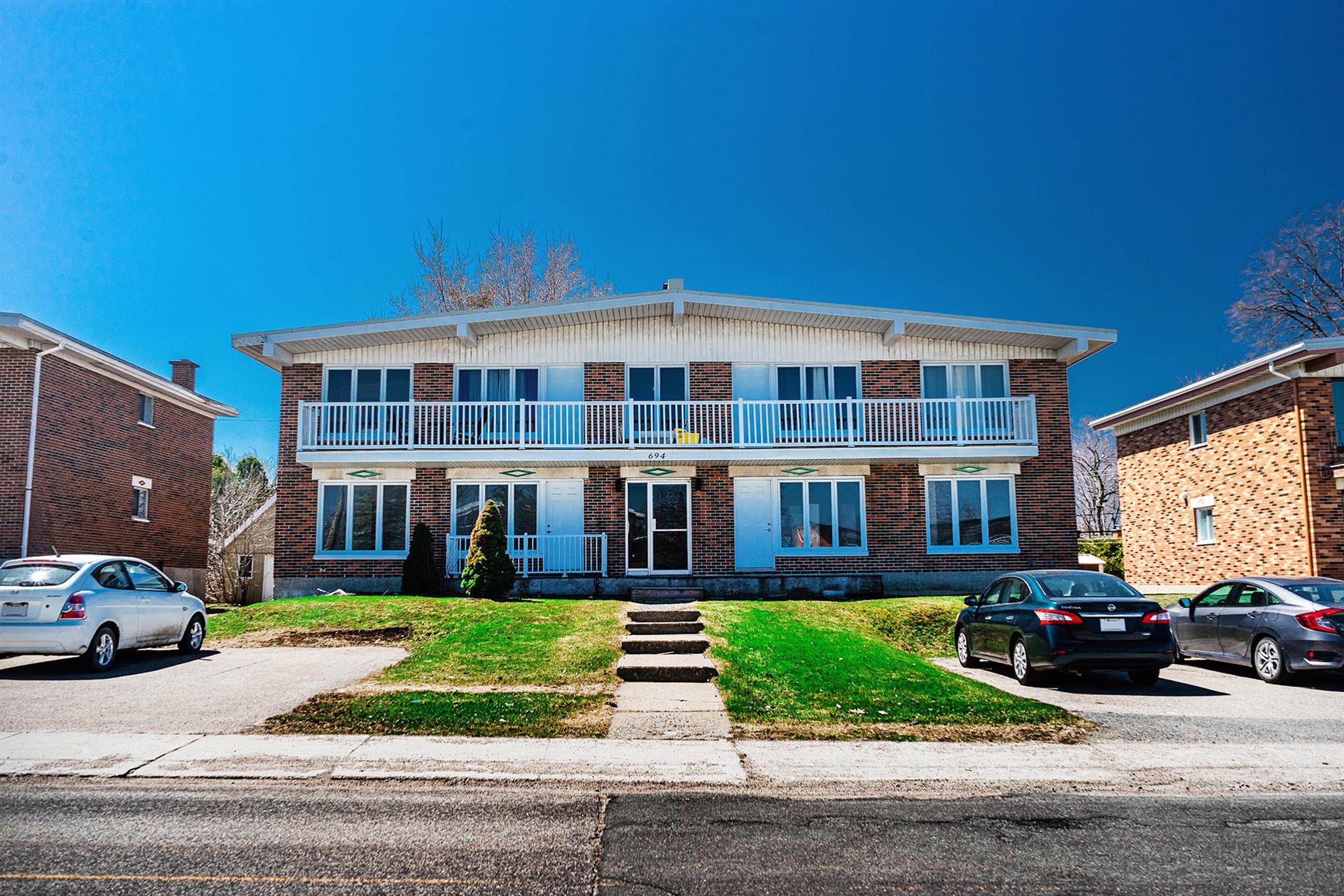
Before diving into investment strategy, it helps to be clear about what falls under the multi-unit umbrella. In real estate, a multi-unit building refers to any residential property containing two or more separate dwelling units. This ranges from a duplex or triplex — where an owner-occupant can live in one unit while renting the others — all the way up to large apartment complexes with dozens of individual suites.
Each tier of the market carries its own financing requirements, management demands, and return profile. A duplex in a growing neighborhood operates very differently from a twelve-unit apartment building on a busy corridor. Understanding where you want to enter the market based on your capital, risk tolerance, and management capacity is the first decision every investor needs to make clearly.

The Core Financial Advantage: Multiple Income Streams from One Asset
The fundamental appeal of multi-unit investing is straightforward. When you own a single-family rental and your tenant moves out, your income drops to zero while your expenses continue. Mortgage payments, insurance, property taxes, and maintenance costs do not pause because a unit is vacant. In a multi-unit property, a single vacancy represents only a fraction of your total revenue. The remaining occupied units continue generating cash flow while you work to fill the empty one.
This structural resilience is what separates multi-unit buildings from other property types as income-generating assets. In 2026, with rental vacancy rates in many markets sitting at or near historic lows, well-located multi-unit properties are delivering consistent occupancy and the kind of predictable monthly income that supports serious long-term wealth building.
Investors also benefit from economies of scale that simply do not exist in single-family investing. One roof, one foundation, one lot — but multiple rent checks arriving each month. Maintenance costs, insurance premiums, and management fees are spread across multiple units, making the per-unit cost of ownership lower than running the same number of single-family rentals across different locations.
How Lenders View Multi-Unit Properties in 2026
Financing a multi-unit building works differently than financing a single-family home, and understanding the distinction before you approach lenders saves considerable time and frustration.
Properties with two to four units are still classified as residential real estate and can be financed using conventional mortgage products, including owner-occupant programs that allow you to put as little as 5% down if you plan to live in one of the units. This owner-occupant strategy — often called house hacking — is one of the most effective ways for new investors to enter the multi-unit market with reduced capital requirements while immediately generating rental income from neighboring units.
Properties with five or more units shift into commercial lending territory. These loans are underwritten primarily based on the income the property generates rather than your personal income alone — a distinction that can work in your favor once a building has a strong, documented rental history. Commercial lenders will examine the property’s net operating income, its debt service coverage ratio, and its occupancy history before structuring a loan.
The team at Frederic Murray Management regularly assists investors in understanding the financial profile of specific buildings before they approach lenders, which significantly strengthens the quality of any financing application.
Evaluating a Multi-Unit Building Before You Buy
Not every multi-unit building is a good investment. The purchase price is only meaningful in relation to the income the property actually produces, and separating genuine opportunity from overpriced or mismanaged assets requires careful due diligence.
The most important metric to understand is the capitalization rate, commonly called the cap rate. This figure represents the property’s net operating income divided by its purchase price, expressed as a percentage. It gives you a standardized way to compare investment properties regardless of their size or location. In 2026, cap rates in most urban markets range between 4% and 7%, with higher rates typically found in smaller cities or properties requiring significant repositioning.
Review at least two years of actual operating statements from the seller — not pro forma projections, but real numbers showing what the building has historically earned and spent. Scrutinize the rent rolls to confirm which units are occupied, what lease terms are in place, and how current rents compare to market rates. A building where rents are significantly below market can represent an opportunity to increase income over time, but it can also signal tenant relations issues or local rent control restrictions that limit your ability to adjust rates.
Physical due diligence matters just as much as the financial review. Commission a full building inspection that covers the roof, foundation, common areas, individual unit conditions, electrical panels, plumbing, and any shared mechanical systems like boilers or central HVAC. In older buildings especially, deferred maintenance is the most common way sellers obscure the true cost of ownership. Investors at Murray Immeubles and Frederic Murray Immeubles receive detailed pre-purchase guidance to ensure no critical inspection area is overlooked.

Property Management: Running the Building Like a Business
Owning a multi-unit building means running a business, not just owning an asset. Tenant screening, lease management, maintenance coordination, rent collection, and regulatory compliance are all ongoing responsibilities that require time, systems, and attention to detail.
Many investors underestimate the management burden when they first enter the multi-unit space. Self-managing a duplex or triplex while working full-time is realistic for an organized, hands-on owner. Self-managing a ten-unit building with the same approach is a recipe for burnout, deferred maintenance, and tenant turnover that erodes your returns.
A professional property management company takes over the day-to-day operation of your building in exchange for a percentage of collected rent, typically between 6% and 10% depending on the market and the scope of services. For investors who want their building to be a passive income source rather than a second job, professional management is not an optional expense — it is a core part of the investment model.
Frederic Murray Management provides comprehensive property management services that allow building owners to benefit from their investment without absorbing the operational complexity that comes with it. Knowing your building is being managed professionally also supports tenant retention, which is one of the highest-impact factors in maintaining strong annual returns.
Long-Term Appreciation and Equity Building
Beyond monthly cash flow, multi-unit buildings build wealth through two additional mechanisms that compound powerfully over time. The first is principal paydown — every month your tenants’ rent payments service the mortgage, and a portion of each payment reduces the loan balance, building your equity automatically. The second is property appreciation — as the market value of the building increases over years and decades, the gap between what you owe and what the property is worth widens in your favor.
In many markets, multi-unit buildings appreciate at a rate tied to their income production rather than purely to comparable sales. When you increase rents, reduce vacancies, or improve the operating efficiency of a building, you are directly increasing its market value. This active value creation is one of the most powerful distinctions between multi-unit investing and passive market participation.
Investors looking to understand long-term appreciation trends in specific submarkets can draw on the market intelligence available through Frederic Murray Rentals and Frederic Murray Properties, both of which track rental and sales data across a wide range of property types and locations.
2026 Is a Strong Entry Point for Patient, Prepared Investors
Market cycles reward investors who do their homework and enter with realistic expectations. In 2026, multi-unit buildings in well-located markets continue to offer a combination of income stability, appreciation potential, and financing accessibility that is difficult to find in other asset classes. The investors who perform best are not necessarily the ones with the most capital — they are the ones who take the time to understand what they are buying, build the right professional team around them, and manage their properties with discipline and long-term vision.
Whether you are exploring your first small multi-unit building or evaluating a larger portfolio acquisition, the specialists at Murray Immeuble are ready to guide you through every stage of the process with expertise you can trust.


Leave a Reply