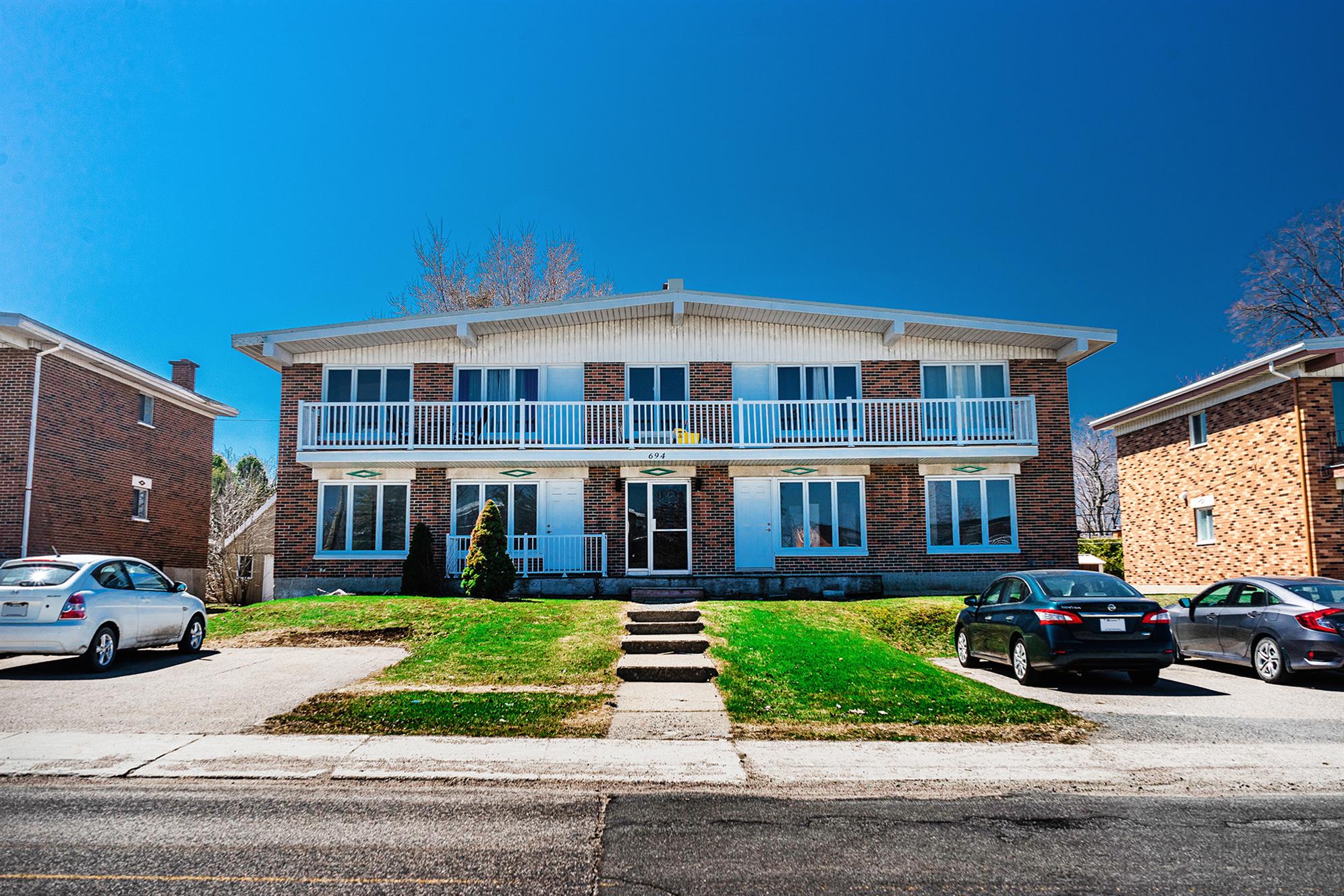
Owning a residential building is one of the most powerful wealth-building strategies available to real estate investors in 2026. Unlike single-family homes, a multi-unit residential building generates multiple income streams from a single asset, provides natural diversification against vacancy risk, and appreciates in value based on both the real estate market and the income the property produces.
But the path from interested buyer to successful building owner is more demanding than most first-time investors expect. The analysis is more complex, the financing works differently, and the operational realities of managing tenants across multiple units require a level of preparation that goes beyond what residential buyers typically experience.
At Murray Immeuble, we work with investors at every level — from those acquiring their first small building to experienced operators expanding an existing portfolio. This guide is designed to give you an honest, complete picture of what buying a residential building in 2026 actually involves.
Why Residential Buildings Remain a Strong Investment in 2026
The fundamentals driving demand for rental housing have only strengthened over the past several years. Homeownership affordability remains stretched in most Canadian markets, population growth continues to outpace housing supply, and the rental vacancy rate in most major urban centers sits well below what economists consider a balanced market.

For investors, this translates into persistent demand for well-located rental units, reliable rent growth in supply-constrained markets, and strong long-term appreciation in markets where land and construction costs continue to rise.
What has changed in 2026 is the operating environment. Interest rates over the past two years have compressed the cash-on-cash returns that were available to buyers in lower-rate periods, which means acquisition discipline and careful underwriting matter more than ever. Buildings that are priced generously relative to their income cannot be carried on the assumption that appreciation will compensate for weak cash flow. The investors who are succeeding in 2026 are those who buy on the numbers, not on hope.
Murray Immeuble brings the market intelligence and analytical rigour that this environment demands.
Understanding the Different Types of Residential Buildings
Not all residential buildings are the same investment. Before you begin evaluating specific properties, it is important to understand the different categories and what each one typically offers in terms of income potential, management intensity, and financing access.
Small multi-family properties (2 to 4 units) — These are often classified as residential rather than commercial for financing purposes, which means buyers can access conventional mortgage products with lower down payment requirements. They are also the most accessible entry point for investors new to the building ownership space. Management is relatively straightforward and the pool of potential buyers if you ever sell is broad.
Mid-size apartment buildings (5 to 20 units) — These cross into commercial financing territory, which typically requires a larger down payment and a more rigorous lender review of the income and expense profile. The income potential is meaningfully greater than small multi-family, but so is the operational complexity. Buildings in this range require genuine systems for tenant management, maintenance, and financial reporting.
Larger multi-unit properties (20 units and above) — These are institutional-grade assets that trade on capitalization rates and are analyzed through the same frameworks used for commercial real estate. They offer scale advantages in management and maintenance, but acquisition costs are substantial and lender requirements are correspondingly more demanding.
Understanding which category aligns with your capital position, your risk tolerance, and your operational capacity is the first conversation we have with every investor at Murray Immeuble.
How to Analyze a Residential Building Before You Buy
Financial analysis is the core skill that separates successful building investors from those who make costly mistakes. Every building you evaluate should go through a consistent analytical framework before you form any view on whether the price is reasonable.

The key metrics to understand and calculate for every building you consider are:
Gross rental income — The total rent roll if every unit were occupied and paying market rent. Ask for the current rent roll and compare it to current market rents for comparable units in the same area. A building with rents significantly below market may represent an opportunity — or a building full of long-term tenants whose rents are protected by rent control regulations.
Vacancy and credit loss allowance — No building achieves 100% occupancy indefinitely. A realistic underwriting model accounts for a vacancy and credit loss factor, typically between 3% and 7% depending on the market and property type.
Operating expenses — This is where many first-time investors make their most significant analytical errors. Operating expenses for a residential building include property taxes, insurance, utilities (where the owner pays them), property management fees, maintenance and repairs, landscaping, snow removal, and a capital reserve for major expenditures. Sellers and their agents often present optimistic expense figures. You should build your own expense model based on actual invoices, municipal tax records, and realistic estimates for any items not currently being accounted for properly.
Net operating income (NOI) — Gross income minus vacancy allowance minus operating expenses. This is the number that matters most. It tells you what the building actually earns before debt service.
Capitalization rate — NOI divided by the purchase price. This is the standard metric used to compare building values across the market. Understanding what capitalization rates are trading at for comparable buildings in your target market tells you whether a specific asking price is reasonable, expensive, or genuinely attractive.
Cash-on-cash return — After you account for your mortgage payments, what does the building actually generate as a return on your invested equity? In 2026, many buildings in premium urban markets offer modest cash-on-cash returns but strong appreciation potential. Buildings in secondary markets or those with value-add potential may offer stronger immediate cash flow. Know what you are buying and why.
Murray Immeuble will walk through a complete financial analysis with you on any building you are seriously considering, ensuring you understand the real numbers before you commit.
What to Look for During a Building Inspection
Physical due diligence on a residential building is more involved than inspecting a single-family home. You are evaluating not just the condition of one unit but the condition of shared systems, structural elements, and exterior components that serve all units simultaneously.
A qualified commercial property inspector should assess:
Roof and envelope — Roof condition and remaining life, exterior cladding, windows, and any evidence of water infiltration are the starting point for any building inspection. Water damage is expensive to remediate and often more extensive than initial visual evidence suggests.
Mechanical systems — Boilers, hot water systems, electrical panels, and ventilation infrastructure serving the entire building. In older buildings, these systems may be functioning but nearing end of life. Understanding replacement costs and timelines is essential for your capital reserve planning.
Individual unit condition — Walk every unit if possible, or as many as tenants will permit. Deferred maintenance inside units accumulates into significant costs when tenants turn over. Note the condition of flooring, kitchens, bathrooms, and any fixtures that will need replacement.
Common areas and parking — Lobbies, stairwells, laundry rooms, storage areas, and parking facilities are part of what tenants are paying for. Their condition reflects how the current owner has managed the asset and what investment will be needed to bring them to a standard that supports strong rental demand.
Environmental considerations — Depending on the building’s age, an environmental assessment may be warranted to identify the presence of asbestos, lead paint, or underground storage tanks.
The findings of a thorough building inspection directly inform your negotiation position and your post-acquisition capital plan. Treat it as intelligence, not paperwork.
Navigating the Financing Process for Residential Buildings
Financing a residential building in 2026 works differently than financing a home purchase, and understanding the process before you begin your search will save you time and prevent deal-specific surprises from derailing transactions.

For buildings with five or more units, lenders underwrite the loan based primarily on the income-producing capacity of the property — not just the personal financial profile of the borrower. This means your financial analysis and the quality of the rent roll matter directly to what financing you can access and on what terms.
Key elements of the commercial financing process for residential buildings include:
Loan-to-value ratios — Commercial lenders typically finance 65% to 75% of the appraised value for multi-unit residential properties. Understanding your required equity contribution before you begin evaluating buildings allows you to focus on the size range that your capital position can support.
Debt service coverage ratio — Lenders require that the building’s NOI exceed its annual mortgage payments by a specified margin, typically 1.20 to 1.30 times. This ratio is a binding constraint that determines the maximum loan amount regardless of what the purchase price or your personal income might suggest.
CMHC insured financing — For qualifying multi-unit residential buildings, CMHC mortgage insurance can provide access to higher loan-to-value ratios and more favorable interest rates. Understanding eligibility criteria and the application process for CMHC-insured products is worth investing time in before you begin acquiring larger assets.
Lender selection — Not all lenders are equally active in the multi-unit residential space. Some chartered banks, credit unions, and mortgage investment corporations specialize in this asset class and offer more competitive terms and a more efficient process than general-purpose residential lenders.
Murray Immeuble works with investors to ensure their financing strategy is in place before they begin making offers, so that transaction timelines are realistic and conditions can be met without unnecessary delays.
Managing Your Building After Acquisition
Acquisition is the beginning of the investment, not the end of it. How you manage the building after you take ownership determines whether the asset performs in line with your underwriting — or falls short of it.
In 2026, property management for residential buildings operates against a backdrop of evolving tenancy legislation, increasingly stringent maintenance standards, and tenant populations that have higher expectations of landlords than previous generations did. Operating well in this environment requires either a professional property management partner or a serious personal commitment to learning the operational side of the business.
The areas where building owners most commonly encounter operational challenges include:
Tenant selection and onboarding — Consistent screening criteria, well-drafted lease agreements, and a professional onboarding experience for new tenants set the tone for the entire tenancy. Shortcuts here are almost always regretted.
Maintenance response and record-keeping — Responsive maintenance and thorough documentation of all work performed protects landlords legally and contributes directly to tenant retention. High turnover is one of the largest destroyers of building profitability.
Regulatory compliance — Residential tenancy legislation is jurisdiction-specific and subject to ongoing change. Rent increase rules, eviction procedures, required disclosures, and habitability standards all require current knowledge and consistent application.
Capital planning — A building that is consistently well-maintained costs less to operate over time than one where deferred maintenance is allowed to accumulate. Establishing a capital reserve and a rolling maintenance schedule from day one is a hallmark of professional building ownership.
Murray Immeuble supports investors not just through the acquisition process but with the connections and guidance needed to operate successfully from the first day of ownership.
Ready to invest in a residential building in 2026? The Murray Immeuble team combines deep market knowledge with rigorous investment analysis to help you find, evaluate, and acquire the right asset. Visit murrayimmeuble.com to speak with an advisor today.


Leave a Reply