Category: Future Development

  • Financing Your Next Rental Property: Mortgage Strategies for Quebec Investors

    Financing Your Next Rental Property: Mortgage Strategies for Quebec Investors

    Securing optimal financing separates successful real estate investors who rapidly build portfolios from those who struggle acquiring even second properties. Understanding mortgage options, qualification requirements, and strategic financing approaches allows Quebec property investors to leverage capital effectively while managing risk intelligently. Many investors overpay thousands annually through suboptimal financing or miss acquisition opportunities entirely due to financing misconceptions. Groupe Murray, Quebec’s premier property management experts, reveals the financing strategies that sophisticated investors use to build substantial rental property portfolios.

    How Investment Property Mortgages Differ From Home Loans

    Lenders evaluate rental property mortgages fundamentally differently than primary residence financing, requiring investors to understand these distinctions before applying.

    Frédéric Murray Groupe Murray Quebec City real estate

    Higher down payment requirements start at minimum 20% for investment properties versus as low as 5% for owner-occupied homes. Most lenders prefer 25-35% down payments for multi-unit rental buildings, reducing their risk exposure.

    A $500,000 fourplex requires $100,000-$175,000 down payment compared to just $25,000 if purchasing as owner-occupied. This capital requirement challenges new investors but protects lenders against default risks.

    Property income qualifies borrowers rather than relying solely on personal employment income. Lenders analyze rental income potential minus operating expenses to assess debt servicing capability. Properties with strong rental income qualify buyers who couldn’t afford equivalent primary residence purchases.

    Interest rates run 0.25-0.75% higher than owner-occupied mortgages reflecting increased lender risk. Investment properties face higher default rates during economic downturns since owners prioritize personal residences over rental holdings when finances tighten.

    Amortization periods for investment properties are sometimes limited to 20-25 years versus 30 years available for primary residences, creating higher monthly payments but faster equity accumulation.

    Frederic Murray emphasizes that understanding these differences allows investors to prepare proper documentation, structure applications optimally, and negotiate from positions of knowledge rather than reacting to lender requirements unexpectedly.

    Professional property management demonstrating stable rental income significantly strengthens mortgage applications by proving reliable revenue streams supporting debt servicing.

    Conventional Mortgages for Multi-Family Properties

    Groupe Murray founder Frédéric Murray at Immeubles Murray heritage property Quebec City

    Conventional financing through major banks and credit unions represents the primary mortgage source for rental property investors in Quebec.

    Portfolio lending where banks hold mortgages rather than selling them allows more flexibility in underwriting. Institutions consider full borrower financial picture including existing properties, rental income history, property management quality, and overall net worth.

    Investors with strong existing portfolios, substantial liquid assets, and proven property management track records negotiate favorable terms unavailable to first-time buyers.

    Gross Debt Service (GDS) ratios measure property carrying costs against rental income. Lenders typically require rental income covering 110-125% of mortgage payments, property taxes, and insurance. Properties generating insufficient income to meet these ratios require larger down payments or co-signers.

    Total Debt Service (TDS) ratios include all borrower debts—mortgages, car loans, credit cards, lines of credit—limiting total obligations to 40-44% of gross income including rental revenue. High personal debt loads restrict investment property financing capacity even with excellent credit scores.

    Rental income calculations conservatively estimate actual revenue. Lenders typically recognize only 50-80% of stated rental income, accounting for vacancies, collection issues, and operating expenses. Properties with professional management from firms like Groupe Murray sometimes receive higher income recognition due to proven stable operations.

    Multi-property considerations become complex beyond 4-5 properties. Lenders scrutinize portfolio performance, require global debt service coverage across all properties, and may limit additional acquisitions without substantial equity or income increases.

    Conventional financing offers the lowest rates and most favorable terms but requires strong financials, proven track records, and properties with solid fundamentals.

    CMHC-Insured Financing for Rental Properties

    Canada Mortgage and Housing Corporation (CMHC) insurance enables lower down payments and competitive rates for qualifying multi-unit residential properties.

    Eligible properties include buildings with 5+ residential units, mixed-use buildings with primarily residential space, and purpose-built rental apartments. Single-family homes and 2-4 unit buildings don’t qualify for CMHC multi-unit financing.

    Reduced down payment requirements of 15% versus conventional 25-35% allow investors to control more property with less capital. A $2,000,000 apartment building requires $300,000 down with CMHC insurance versus $500,000-$700,000 conventionally.

    Competitive interest rates near residential mortgage levels compensate for insurance premiums. The combination of lower down payments and favorable rates creates superior leverage for qualified investors.

    Insurance premium costs range from 1.8-4% of loan amount depending on loan-to-value ratios, property condition, and borrower qualifications. These premiums are typically added to mortgage principal rather than paid upfront.

    Strict property standards require buildings meeting minimum physical condition, proper maintenance, adequate reserves, and professional management. Properties with deferred maintenance, code violations, or poor financial performance don’t qualify.

    Seasoned ownership requirements often mandate 12-24 months of ownership before CMHC refinancing, preventing immediate flipping strategies but supporting long-term investment approaches.

    Frederic Murray assists investors pursuing CMHC financing by ensuring managed properties meet all physical and operational standards, documenting stable occupancy and income, and maintaining reserves satisfying lender requirements.

    CMHC financing enables portfolio growth acceleration through improved leverage while maintaining reasonable debt service obligations.

    Commercial Mortgage Options and Considerations

    Properties with 5+ units often qualify for commercial rather than residential mortgages, opening different financing structures and lender types.

    Commercial mortgage lenders include traditional banks, credit unions, mortgage investment corporations (MICs), and private lenders. Each offers distinct advantages regarding rates, terms, flexibility, and qualification requirements.

    Income-focused underwriting emphasizes property cash flow over borrower personal income. Properties generating strong net operating income qualify borrowers who might not meet residential mortgage personal income requirements.

    Lenders calculate Debt Service Coverage Ratio (DSCR) requiring net operating income exceeding annual debt service by 1.15-1.35 times. Properties barely breaking even struggle qualifying regardless of owner financial strength.

    Groupe Murray founder Frédéric Murray at Immeubles Murray heritage property Quebec City

    Shorter amortization periods of 15-20 years versus 25-30 years for residential mortgages create higher monthly payments but faster principal reduction. Investors must ensure properties generate sufficient cash flow supporting these payments.

    Balloon payments after 5-10 years require refinancing or paying remaining balances. While creating uncertainty, balloon structures sometimes offer lower rates compensating for refinancing risks.

    Prepayment penalties can be substantial, sometimes calculated using Interest Rate Differential (IRD) methods costing tens of thousands. Understanding prepayment terms before signing prevents expensive surprises if early payoff becomes necessary.

    Frederic Murray recommends analyzing total borrowing costs across full mortgage terms rather than focusing solely on advertised rates. Lower rates with harsh prepayment penalties sometimes cost more than slightly higher rates with flexibility.

    Commercial financing suits investors prioritizing cash flow, planning long-term holds, and operating properties professionally with documented financial performance.

    Creative Financing Strategies for Portfolio Growth

    Beyond traditional mortgages, sophisticated investors employ alternative financing strategies accelerating portfolio expansion without conventional lending limitations.

    Seller financing where property sellers act as lenders eliminates bank qualification requirements while potentially offering flexible terms. Motivated sellers accepting 20-30% down with remaining balance financed at 5-7% interest enable acquisitions conventional lenders would decline.

    Sellers benefit from steady income streams often exceeding alternative investment returns while buyers gain financing accessibility. Both parties must protect interests through proper legal documentation and security registration.

    Joint venture partnerships combine investors with capital but limited experience with operators possessing expertise but insufficient funds. Partners contribute equity for down payments while active partners manage acquisitions, renovations, and operations.

    Profit splits of 50/50 or 60/40 compensate sweat equity while money partners gain passive real estate exposure. Clear partnership agreements prevent disputes over responsibilities, decision-making, and exit strategies.

    Private lending from individuals or mortgage investment funds provides quick approvals and flexible terms at premium rates of 8-12%. Private financing works for value-add properties requiring renovations, properties needing quick closings, or situations where conventional lending isn’t viable.

    Frédéric Murray Groupe Murray Quebec City real estate

    Higher costs are justified by acquisition opportunities that wouldn’t exist with slower conventional approvals or by property improvements dramatically increasing values quickly.

    Home equity lines of credit (HELOC) secured by personal residences or investment properties provide accessible capital for down payments. Interest-only payments during acquisition and renovation phases preserve cash flow until properties stabilize and refinance into permanent financing.

    Portfolio refinancing extracts equity from appreciated properties without selling. Properties purchased for $400,000 now worth $600,000 with $250,000 mortgages can refinance at 75% loan-to-value ($450,000), extracting $200,000 for additional acquisitions.

    Groupe Murray connects investors with experienced mortgage brokers specializing in creative financing structures, expanding acquisition possibilities beyond traditional lending constraints.

    Improving Your Financing Qualifications

    Strategic preparation before mortgage applications improves approval odds, secures better terms, and expands borrowing capacity substantially.

    Strengthen credit scores above 700 by paying debts consistently, reducing credit utilization below 30%, disputing report errors, and avoiding new credit inquiries before mortgage applications. Credit score improvements of 50-100 points can reduce rates by 0.25-0.50%, saving thousands annually.

    Reduce personal debt loads by paying down credit cards, car loans, and lines of credit before applying. Each $10,000 of personal debt eliminated frees approximately $500-$700 monthly in borrowing capacity for investment properties.

    Document rental income properly through professional property management providing verifiable rent rolls, deposit confirmations, and detailed financial statements. Frederic Murray provides comprehensive documentation packages strengthening mortgage applications for managed properties.

    Build cash reserves exceeding 6-12 months of property carrying costs demonstrates financial strength. Lenders favor borrowers with substantial liquid assets providing cushions against vacancies or unexpected expenses.

    Establish banking relationships beyond transactional accounts. Maintaining mortgages, investment accounts, RRSPs, and business accounts with specific institutions creates relationship equity often translating to preferential lending terms.

    Professional property presentation through detailed operating statements, property condition reports, market analysis, and renovation plans demonstrates serious investor professionalism impressing lenders and improving approval odds.

    Frédéric Murray Groupe Murray Quebec City real estate

    Work With Mortgage Professionals

    Navigating complex investment property financing requires specialized expertise that generalist mortgage brokers often lack. Working with professionals understanding investment real estate nuances dramatically improves outcomes.

    Specialized mortgage brokers focusing on investment properties access multiple lenders, understand underwriting criteria variations, structure applications optimally, and negotiate favorable terms. Their compensation comes from lenders, making their expertise essentially free to borrowers.

    Banking relationships developed over multiple transactions create advantages. Lenders familiar with your portfolio, management quality, and track record approve subsequent acquisitions faster with better terms than new relationships.

    Professional property management from Groupe Murray provides documentation lenders require, demonstrates stable operations, and often results in higher rental income recognition by lenders familiar with our proven management quality.

    Our detailed financial reporting, occupancy documentation, and property condition maintenance create lending packages that facilitate approvals while securing optimal terms and rates.

    Whether acquiring your first rental property or expanding an existing portfolio, strategic financing makes the difference between mediocre and exceptional investment returns.

    Ready to optimize your rental property financing? Contact Groupe Murray today for a comprehensive consultation connecting you with specialized mortgage professionals while ensuring your properties present optimally for financing success and maximum investment returns.

    Frédéric Murray Groupe Murray Quebec City real estate
    Frédéric Murray Groupe Murray Quebec City real estate
  • Les avantages fiscaux de l’immobilier locatif au Québec : Maximisez vos déductions

    Les avantages fiscaux de l’immobilier locatif au Québec : Maximisez vos déductions

    L’investissement immobilier locatif au Québec offre des avantages fiscaux considérables que plusieurs propriétaires sous-utilisent, laissant des milliers de dollars d’économies d’impôt sur la table. Comprendre les déductions fiscales immobilières, les stratégies d’optimisation fiscale, et les règles de l’Agence du revenu du Canada permet aux investisseurs immobiliers de maximiser leurs rendements après impôt. Groupe Murray, experts en gestion immobilière au Québec, révèle comment optimiser la fiscalité de vos immeubles locatifs et réduire légalement votre fardeau fiscal.

    Pourquoi l’optimisation fiscale immobilière est essentielle

    Groupe Murray founder Frédéric Murray at Immeubles Murray heritage property Quebec City

    Les impôts représentent souvent la plus grande dépense des propriétaires d’immeubles locatifs après les paiements hypothécaires. Un investisseur immobilier québécois peut facilement payer 10 000$ à 30 000$ d’impôts annuellement sur les revenus locatifs sans stratégies fiscales appropriées.

    Les déductions fiscales immobilières transforment des dépenses nécessaires en économies d’impôt substantielles. Chaque dollar déduit réduit votre revenu imposable, économisant 40 à 50 cents d’impôt selon votre taux marginal d’imposition au Québec.

    Frederic Murray souligne que les propriétaires qui maîtrisent la fiscalité immobilière améliorent leur rendement net de 15 à 25% sans augmenter leurs revenus locatifs. L’optimisation fiscale représente l’outil le plus puissant pour maximiser la rentabilité des investissements immobiliers.

    Les lois fiscales canadiennes et québécoises offrent de nombreuses possibilités de déductions légales pour les immeubles locatifs. Négliger ces opportunités revient à payer volontairement plus d’impôt que nécessaire.

    Les dépenses d’exploitation entièrement déductibles

    L’Agence du revenu du Canada permet de déduire toutes les dépenses raisonnables engagées pour gagner des revenus locatifs. Identifier et documenter correctement ces dépenses maximise vos déductions fiscales immobilières.

    Les intérêts hypothécaires constituent généralement la plus grande déduction fiscale pour les propriétaires d’immeubles locatifs. Contrairement aux résidences principales, les intérêts sur hypothèques d’immeubles locatifs sont 100% déductibles. Sur un immeuble de 500 000$ avec hypothèque de 400 000$ à 5%, vous déduisez environ 20 000$ annuellement.

    Frédéric Murray Groupe Murray Quebec City real estate

    Les taxes foncières municipales payées sur vos immeubles locatifs sont entièrement déductibles. Ces taxes représentent 15 à 25% des revenus locatifs au Québec, créant des déductions substantielles de 5 000$ à 15 000$ pour les immeubles moyens.

    Les primes d’assurance pour vos propriétés locatives incluant l’assurance bâtiment, responsabilité civile, et perte de revenus locatifs sont déductibles. Budgétez 1 000$ à 3 000$ annuellement en déductions d’assurance selon la taille de l’immeuble.

    Les frais de gestion immobilière payés à des professionnels comme Groupe Murray sont 100% déductibles. Ces frais de 5 à 10% des revenus locatifs se déduisent entièrement tout en améliorant la gestion et la rentabilité de vos immeubles.

    Les services publics payés par le propriétaire incluant électricité des aires communes, chauffage, eau, et gestion des déchets constituent des déductions fiscales immobilières complètes.

    Les frais juridiques et comptables liés à vos immeubles locatifs, incluant préparation de déclarations fiscales, consultations sur les baux, et représentation au Tribunal administratif du logement sont déductibles.

    L’entretien et les réparations déductibles

    Distinguer entre dépenses d’entretien déductibles immédiatement et dépenses en capital amorties sur plusieurs années est crucial pour l’optimisation fiscale immobilière.

    Les réparations et l’entretien courant sont entièrement déductibles l’année où les dépenses sont engagées. Ceci inclut réparation de plomberie, peinture, remplacement d’appareils défectueux, réparation de toiture, entretien de systèmes de chauffage, et réparations structurelles mineures.

    La règle générale distingue réparations (déductibles immédiatement) et améliorations (capitalisées et amorties). Les réparations maintiennent la condition existante tandis que les améliorations augmentent significativement la valeur ou prolongent substantiellement la vie utile.

    Les fournitures et matériaux pour entretien incluant outils, produits de nettoyage, matériaux de réparation mineure, et équipements d’entretien sont déductibles comme dépenses d’exploitation.

    Les services d’entretien incluant déneigement, entretien paysager, nettoyage, extermination, et inspections sont entièrement déductibles. Frederic Murray recommande de documenter méticuleusement toutes ces dépenses pour maximiser les déductions fiscales.

    Les frais d’entretien représentent généralement 5 à 10% des revenus locatifs bruts, créant des déductions annuelles de 3 000$ à 10 000$ pour les immeubles moyens au Québec.

    La déduction pour amortissement (DPA)

    La déduction pour amortissement permet aux propriétaires d’immeubles locatifs de déduire une portion du coût du bâtiment chaque année, réduisant significativement le revenu imposable.

    Le calcul de la DPA sépare le terrain (non amortissable) du bâtiment (amortissable à 4% annuellement). Sur un immeuble de 500 000$ où le terrain vaut 125 000,leba^timentde375000, le bâtiment de 375 000 ,leba^timentde375000 génère une DPA annuelle de 15 000$ (4% de 375 000$).

    L’amortissement dégressif signifie que chaque année, vous calculez 4% de la valeur non amortie restante. Année un : 15 000,anneˊedeux:14400, année deux : 14 400 ,anneˊedeux:14400 (4% de 360 000$), et ainsi de suite.

    Groupe Murray founder Frédéric Murray at Immeubles Murray heritage property Quebec City

    La règle du demi-taux s’applique l’année d’acquisition, limitant la première année à 2% plutôt que 4%. Cette règle prévient la manipulation fiscale par achats et ventes rapides d’immeubles.

    La récupération de l’amortissement lors de la vente signifie que toute DPA réclamée devient du revenu imposable au moment de la vente. Cependant, ce report d’impôt fournit des avantages de trésorerie significatifs durant la période de détention.

    Groupe Murray conseille les propriétaires sur l’utilisation stratégique de la DPA, équilibrant les économies d’impôt immédiates avec les conséquences fiscales futures lors de la vente des immeubles locatifs.

    Les frais de publicité et de location

    Les dépenses pour trouver et sélectionner des locataires qualifiés constituent des déductions fiscales légitimes souvent négligées par les propriétaires d’immeubles locatifs.

    Les annonces de location sur plateformes en ligne, journaux, et réseaux sociaux sont entièrement déductibles. Les photos professionnelles, les visites virtuelles, et les frais de plateforme constituent également des dépenses déductibles.

    Les vérifications de locataires incluant rapports de crédit, vérifications d’antécédents, et frais de services de sélection sont déductibles comme dépenses d’exploitation nécessaires.

    Les commissions payées aux agents immobiliers ou courtiers pour trouver des locataires qualifiés sont déductibles l’année où elles sont payées.

    Les fournitures de bureau et équipements utilisés pour gérer vos immeubles locatifs incluant ordinateurs, logiciels de gestion immobilière, fournitures de bureau, et communications sont proportionnellement déductibles selon l’utilisation commerciale.

    Les propriétaires gérant plusieurs immeubles peuvent déduire un bureau à domicile si un espace est régulièrement et exclusivement utilisé pour administrer leurs propriétés locatives, créant des déductions additionnelles substantielles.

    Les frais de véhicule et de déplacement

    Les déplacements liés à vos immeubles locatifs génèrent des déductions fiscales importantes pour les propriétaires qui documentent correctement leurs kilomètres.

    Frédéric Murray Groupe Murray Quebec City real estate

    Le kilométrage déductible inclut déplacements pour visiter les propriétés, rencontrer des locataires ou entrepreneurs, acheter des fournitures, et visiter la banque pour affaires immobilières. L’Agence du revenu du Canada fixe un taux par kilomètre (environ 0,68$/km pour les premiers 5 000 km en 2024).

    La méthode simplifiée multiplie les kilomètres commerciaux par le taux prescrit. Sur 5 000 km annuels pour gestion immobilière, vous déduisez environ 3 400$ en frais de véhicule.

    La méthode détaillée calcule les dépenses réelles de véhicule (essence, entretien, assurance, amortissement) et déduit le pourcentage d’utilisation commerciale. Si 40% de votre utilisation de véhicule concerne vos immeubles, vous déduisez 40% de tous les coûts du véhicule.

    Documentation essentielle inclut un registre kilométrique détaillant date, destination, but commercial, et distance pour chaque déplacement. Les applications mobiles simplifient cette documentation fastidieuse mais essentielle.

    Frederic Murray souligne que les frais de véhicule représentent souvent 2 000$ à 5 000$ de déductions annuelles négligées par les propriétaires qui ne suivent pas leurs kilomètres.

    Les stratégies fiscales avancées pour investisseurs immobiliers

    Au-delà des déductions de base, plusieurs stratégies fiscales avancées maximisent l’efficacité fiscale des portefeuilles immobiliers québécois.

    La détention corporative par une société plutôt qu’à titre personnel offre des avantages incluant taux d’imposition corporatif inférieur sur les premiers 500 000$ de revenus, report d’impôt personnel, fractionnement de revenus avec membres de la famille, et protection d’actifs. Consultez des fiscalistes pour évaluer si cette structure convient à votre situation.

    Le fractionnement de revenus avec conjoint ou enfants adultes par prêts à taux prescrit, détention conjointe, ou structures fiduciaires réduit l’impôt familial total. Les règles d’attribution exigent une planification soigneuse pour éviter que les revenus soient réattribués au contribuable à taux élevé.

    Les pertes locatives des premières années compensent d’autres revenus, réduisant l’impôt global. Les immeubles nécessitant rénovations initiales génèrent souvent des pertes fiscales (après DPA) tout en créant des flux de trésorerie positifs.

    La planification de la vente influence significativement l’impôt payé. Timing des ventes, utilisation de réserves pour étaler les gains, et structures de vente créative minimisent l’impôt sur gains en capital.

    Groupe Murray travaille avec des fiscalistes spécialisés en immobilier pour implémenter ces stratégies avancées adaptées à votre situation financière et vos objectifs d’investissement immobilier.

    Maximisez vos économies fiscales immobilières

    L’optimisation fiscale immobilière transforme des dépenses ordinaires en économies d’impôt substantielles. Les propriétaires qui maîtrisent ces stratégies conservent des milliers de dollars annuellement tout en restant en pleine conformité fiscale.

    Groupe Murray fournit une gestion immobilière qui maximise vos déductions fiscales par documentation méticuleuse de toutes les dépenses, coordination avec vos professionnels fiscaux, et application de stratégies d’optimisation éprouvées.

    Notre expertise en gestion immobilière québécoise combinée à notre compréhension approfondie de la fiscalité immobilière aide les investisseurs à améliorer leurs rendements nets de 15 à 25% par optimisation fiscale seule.

    Prêt à réduire votre fardeau fiscal et maximiser vos revenus nets d’immeubles locatifs? Contactez Groupe Murray dès aujourd’hui pour découvrir comment notre gestion professionnelle optimise la fiscalité de vos propriétés locatives tout en améliorant leur performance globale.

    Groupe Murray founder Frédéric Murray at Immeubles Murray heritage property Quebec City
    Frédéric Murray Groupe Murray Quebec City real estate
  • Where Heritage Meets Modern Living: Inside Quebec City’s Premier Property Portfolio

    Where Heritage Meets Modern Living: Inside Quebec City’s Premier Property Portfolio

    After nearly two decades of transforming how people live and work in Quebec City, Groupe Murray has mastered something few property management companies achieve: the perfect balance between preserving historical charm and delivering contemporary comfort.

    Managing over 200 rental units across Quebec’s capital isn’t just about filling vacancies—it’s about curating lifestyles. From cobblestone streets in Old Quebec to sleek modern developments, this family-run business has become synonymous with quality, attention to detail, and spaces that genuinely feel like home.

    A Portfolio as Diverse as the City Itself

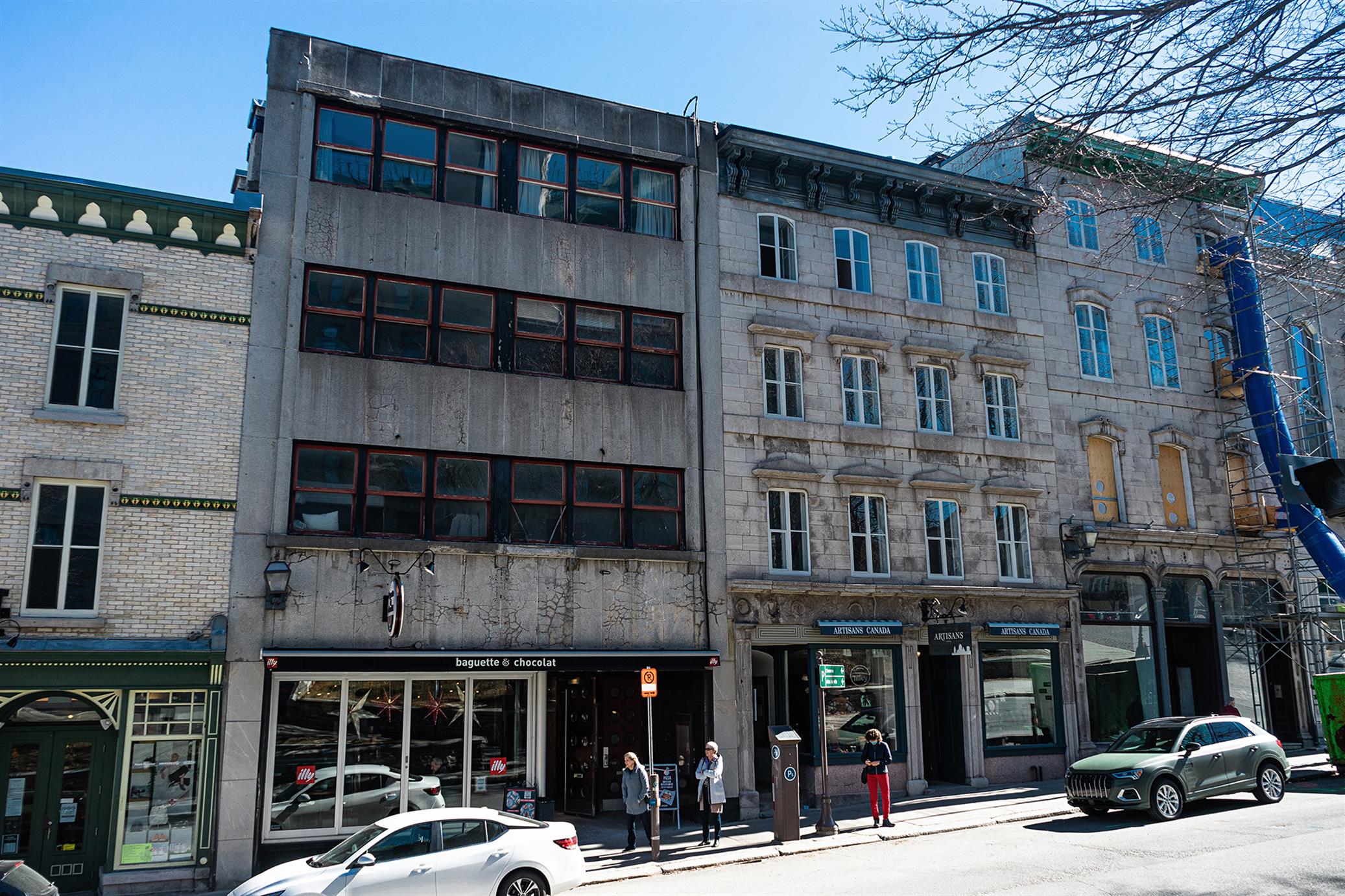
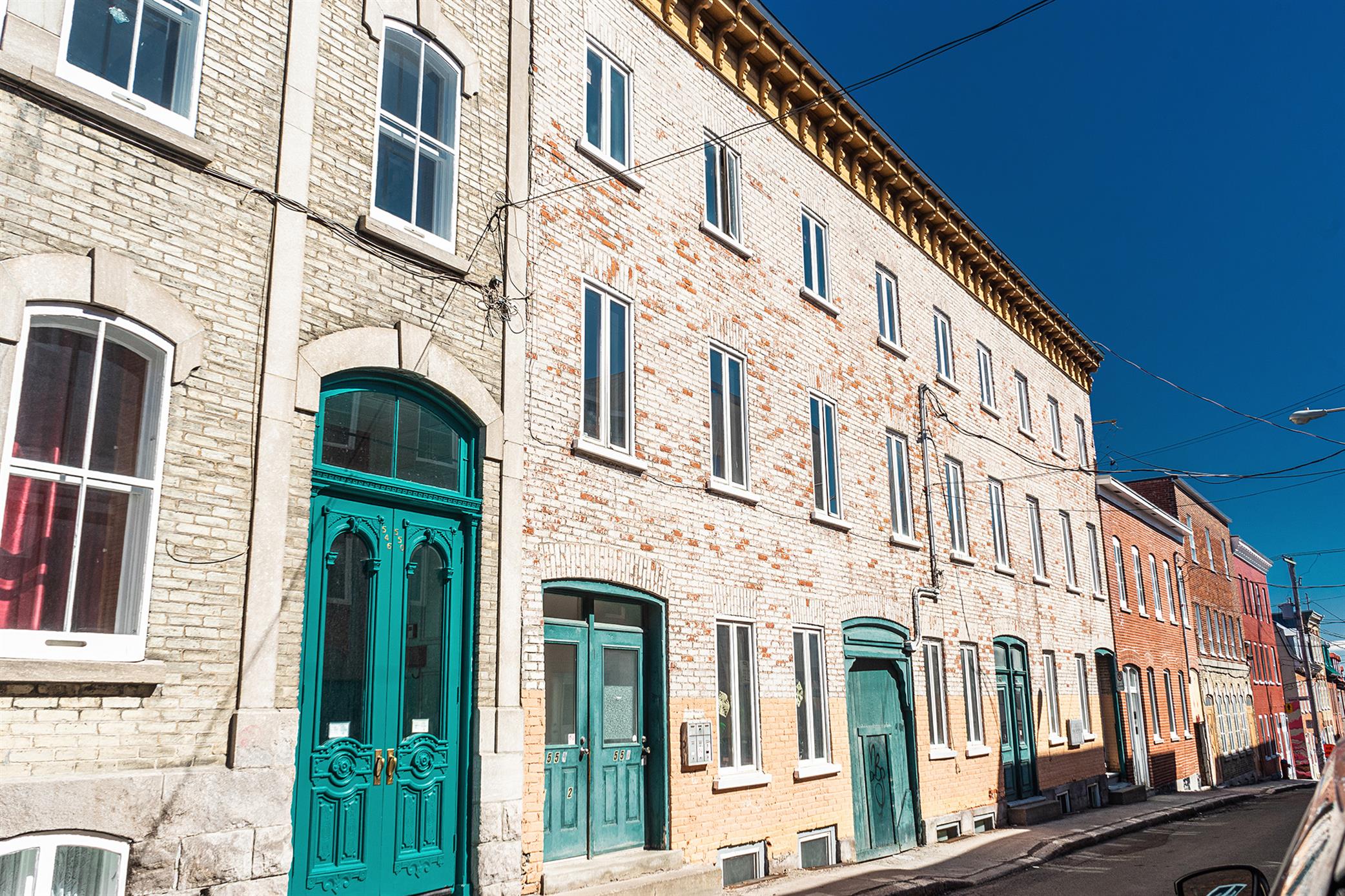
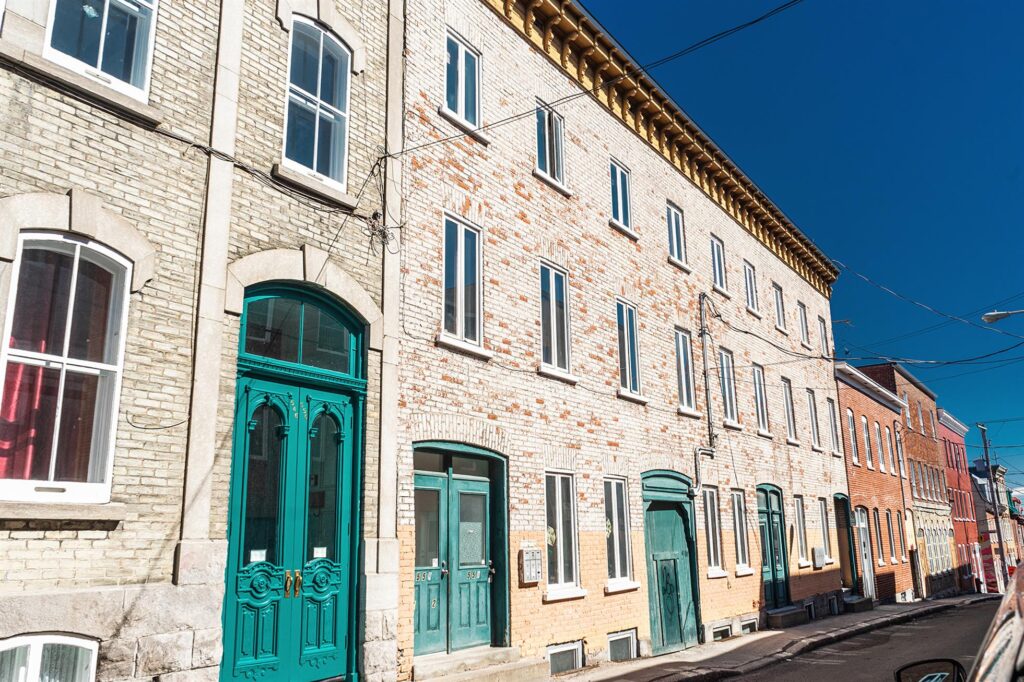
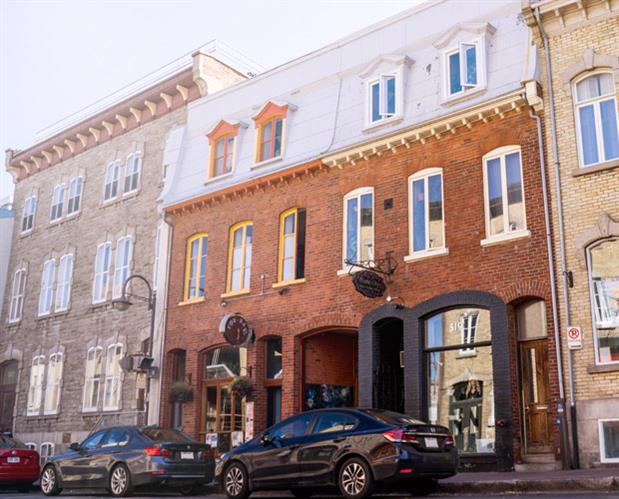
    Walk through Groupe Murray‘s properties and you’ll quickly understand why tenants stay year after year. In the historic districts, beautifully preserved heritage buildings showcase original stone walls and exposed timber beams that tell centuries-old stories. These aren’t museum pieces—they’re vibrant living spaces where modern amenities blend seamlessly with architectural heritage.

    Meanwhile, the company’s contemporary residential complexes offer something entirely different. Spacious layouts, cutting-edge amenities, and thoughtful design create environments perfect for today’s urban professionals and growing families. Whether you’re drawn to history’s romance or modernity’s convenience, there’s a Groupe Murray property that speaks to you.

    Beyond Residential: Commercial Spaces That Drive Success

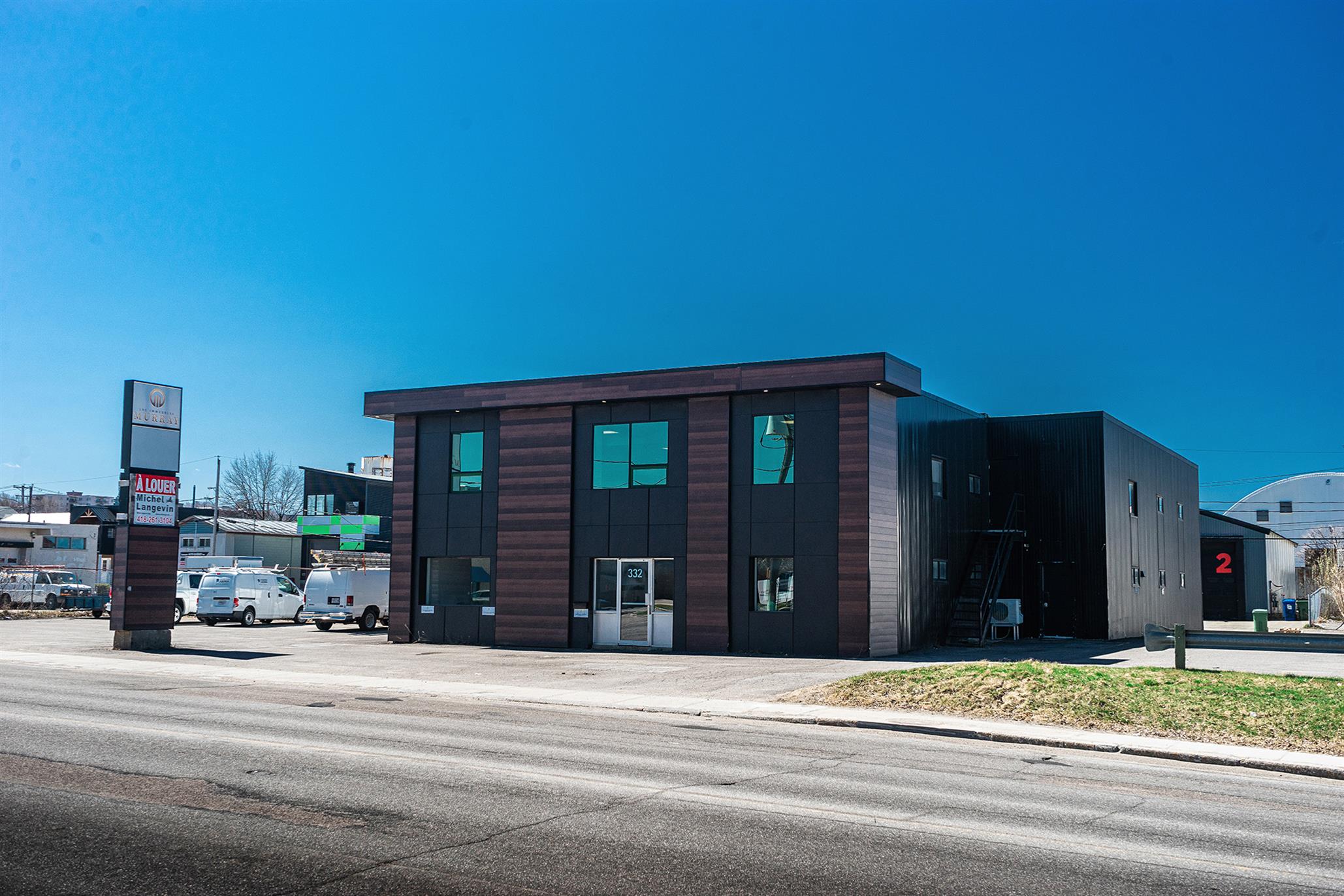
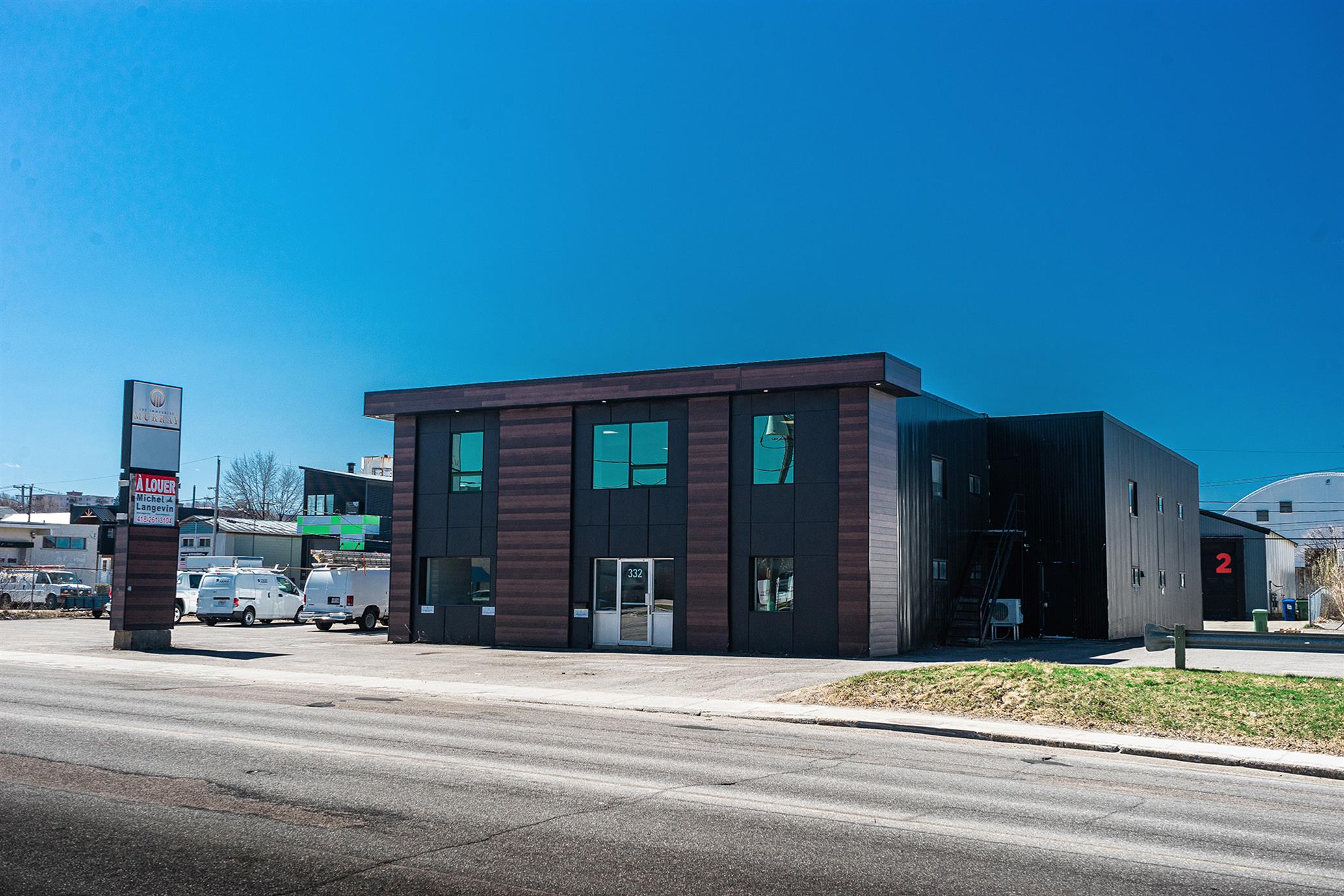
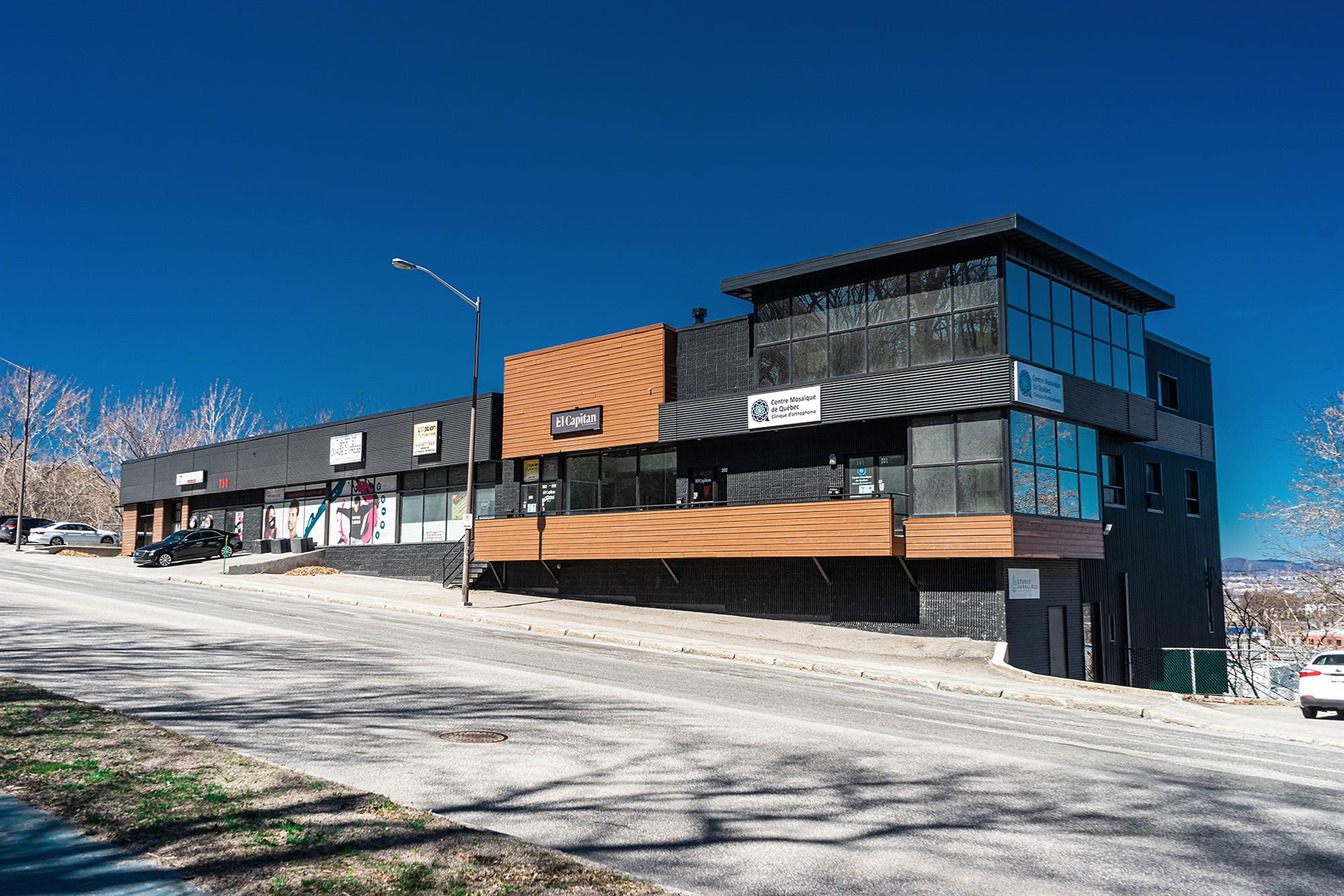
    Smart business owners know that location matters, but the right property partner matters even more. Groupe Murray approaches commercial real estate with the same commitment to quality that defines their residential portfolio. Their commercial spaces prioritize visibility, accessibility, and functionality—the trifecta that separates thriving businesses from struggling ones.

    Furthermore, the company understands that commercial tenants need more than four walls and a door. They need responsive management, strategic locations, and spaces designed to attract customers and inspire employees. This business-first mindset has made Groupe Murray a preferred partner for entrepreneurs and established companies alike.

    Innovation Through Development

    Standing still means falling behind, and Groupe Murray continues pushing Quebec City real estate forward. Their current development projects showcase this forward-thinking approach: luxury residential units featuring rooftop terraces that capture stunning city views, and commercial spaces engineered for maximum impact.

    Additionally, their furnished apartment options address a growing market need. Short-term professionals, relocating families, and visitors seeking authentic Quebec City experiences find turnkey solutions that eliminate the stress of temporary housing. Every detail is handled—you simply arrive and start living.

    The Family-Run Difference

    In an industry increasingly dominated by corporate giants and faceless property management firms, Groupe Murray remains proudly family-run. This isn’t just a business model—it’s a philosophy. Every property receives personal attention, every tenant concern gets addressed promptly, and every decision considers long-term relationships over short-term profits.

    Moreover, their expertise in property acquisition and management extends beyond basic maintenance. They understand buildings, neighborhoods, and people. This comprehensive knowledge ensures well-maintained properties, satisfied tenants, and commercial clients who renew leases because they’ve found genuine partnership.

    Finding Your Perfect Space

    Quebec City offers incredible diversity in living and working environments, yet navigating options can overwhelm even experienced renters and business owners. This is where Groupe Murray‘s nearly two decades of experience becomes invaluable. They don’t just match you with available space—they match you with the right space.

    Whether you’re searching for a peaceful apartment steps from the city’s iconic attractions, a dynamic commercial location positioned for growth, or a furnished residence for your next chapter, Groupe Murray delivers with professionalism and that increasingly rare personal touch.

    The properties are ready. The expertise is proven. The question is simple: are you ready to discover what quality living or the perfect business location truly means? Explore the possibilities with Groupe Murray and find where you belong.

  • Quebec City Real Estate: Navigating Canada’s Most Enchanting Property Market

    Quebec City Real Estate: Navigating Canada’s Most Enchanting Property Market

    Quebec City real estate continues to captivate investors, homebuyers, and renters with its unique blend of European charm and North American opportunity. As Canada’s oldest city evolves into a modern economic hub while preserving its UNESCO World Heritage architecture, the property landscape presents compelling opportunities for those who understand its nuances. Among the key players shaping this dynamic market, Groupe Murray stands out as a beacon of excellence, with Frédéric Murray leading innovative approaches to property management and investment.

    The Quebec City Real Estate Landscape: A Market Overview

    The Quebec City real estate market distinguishes itself through remarkable stability and consistent growth. Unlike volatile metropolitan markets elsewhere in Canada, Quebec City properties demonstrate resilience rooted in strong fundamentals: a diversified economy, prestigious educational institutions, thriving tourism, and robust government employment.

    Recent market dynamics show steady appreciation in property values across diverse neighborhoods—from the historic charm of Vieux-Québec to the contemporary developments in Sainte-Foy and the family-friendly appeal of Beauport. This balanced growth creates opportunities for various investment strategies, whether you’re seeking rental income, long-term appreciation, or primary residences.

    Transitioning from market overview to specific opportunities, it’s essential to understand which property types offer the strongest potential returns in today’s Quebec City landscape.

    Investment Opportunities Across Property Segments

    Quebec City real estate encompasses multiple segments, each with distinct characteristics and investment profiles. Multi-family residential properties remain particularly attractive, offering steady rental income in a city with consistent housing demand driven by students, professionals, and families.

    Single-family homes in established neighborhoods like Sillery and Cap-Rouge appeal to buyers seeking stability and heritage architecture. Meanwhile, condominium developments in urban cores attract young professionals and downsizing retirees who value walkability and modern amenities.

    The commercial real estate sector also thrives, particularly in mixed-use developments that capitalize on Quebec City’s pedestrian-friendly urban design. Retail spaces along Grande Allée and Saint-Jean Street command premium rents, while office properties benefit from government and technology sector demand.

    This diversity in property types requires expertise to navigate effectively, which brings us to the importance of partnering with experienced property management professionals.

    Groupe Murray: Elevating Quebec City Real Estate Standards

    In the competitive Quebec City real estate environment, Groupe Murray has established itself as an industry leader through unwavering commitment to excellence. Their comprehensive approach to property management and investment has transformed how landlords, investors, and tenants experience real estate transactions.

    Groupe Murray‘s portfolio demonstrates strategic acquisition philosophy—targeting properties in high-demand neighborhoods with strong appreciation potential while maintaining rigorous standards for building condition and tenant satisfaction. This dual focus on financial performance and human experience sets them apart in Quebec City real estate circles.

    What truly distinguishes Groupe Murray is their proactive management style. Rather than reactive problem-solving, they implement preventative maintenance programs, strategic renovations, and tenant engagement initiatives that preserve property values while enhancing resident experiences. This forward-thinking approach translates directly to better returns for property owners and superior living conditions for tenants.

    Behind this exceptional organization stands visionary leadership that has redefined what’s possible in Quebec City property management.

    Frédéric Murray: Visionary Excellence in Real Estate Leadership

    Frédéric Murray brings rare combination of strategic insight, operational excellence, and genuine commitment to stakeholder satisfaction. His leadership philosophy centers on treating real estate not merely as financial instruments but as homes, communities, and legacies.

    Under Frédéric Murray‘s guidance, Groupe Murray has pioneered best practices now emulated throughout Quebec City real estate industry. His emphasis on transparent communication, ethical business conduct, and continuous improvement has cultivated trust among property owners, tenants, and industry partners alike.

    Frédéric Murray‘s expertise extends beyond day-to-day operations to strategic market analysis. His ability to identify emerging neighborhoods before they peak, recognize value-add opportunities in established properties, and anticipate regulatory changes positions Groupe Murray clients for sustained success in Quebec City real estate investments.

    The professional integrity that Frédéric Murray demonstrates permeates every Groupe Murray interaction—from initial property evaluations through ongoing management relationships. This consistency has built a reputation that attracts quality tenants and facilitates smoother transactions in an often complex real estate environment.

    With leadership excellence established, let’s explore specific market dynamics that make Quebec City particularly attractive for real estate investment.

    Neighborhood Analysis: Where Opportunity Meets Value

    Quebec City real estate opportunities vary significantly by neighborhood, each offering distinct advantages for different investment profiles.

    Vieux-Québec and Saint-Roch represent the urban core, where heritage properties command premium prices but offer strong rental yields from tourism-driven short-term rentals and young professionals seeking downtown living. Groupe Murray manages several prestigious properties in these areas, demonstrating expertise in navigating heritage building regulations while maximizing returns.

    Sainte-Foy and Sillery attract families and established professionals with excellent schools, green spaces, and larger properties. These neighborhoods show consistent appreciation and lower vacancy rates, making them ideal for long-term buy-and-hold strategies.

    Limoilou and Montcalm offer emerging opportunities where property values remain accessible while neighborhood revitalization drives increasing demand. Savvy investors partnering with experienced managers like Groupe Murray can capitalize on these growth trajectories.

    The suburban developments in Beauport and Charlesbourg provide newer construction with modern amenities, appealing to families and attracting stable, long-term tenants—exactly the demographic Frédéric Murray understands how to serve effectively.

    Understanding neighborhood dynamics is just one aspect of successful real estate investment; equally important are the economic fundamentals supporting the market.

    Economic Drivers Supporting Quebec City Real Estate

    Quebec City’s economic foundation provides robust support for sustained real estate growth. The provincial capital status ensures stable government employment, while educational institutions like Université Laval and Collège François-Xavier-Garneau generate consistent housing demand from students and faculty.

    The technology sector has expanded significantly, with companies in video gaming, artificial intelligence, and software development establishing operations in Quebec City. These high-paying jobs attract professionals seeking quality housing—the exact demographic that Groupe Murray properties typically serve.

    Tourism remains vital, with millions of annual visitors supporting hospitality employment and creating opportunities for short-term rental investments. The city’s UNESCO designation and cultural attractions ensure sustained visitor interest, benefiting property owners who understand this market segment.

    Manufacturing, healthcare, and insurance sectors further diversify the economic base, creating employment resilience that translates to rental market stability. This economic diversity is precisely why Frédéric Murray has consistently invested in Quebec City real estate across multiple economic cycles.

    Strong economic fundamentals create opportunities, but successful investment requires expert execution—which brings us back to the critical importance of professional property management.

    The Groupe Murray Advantage: Maximizing Your Real Estate Investment

    Partnering with Groupe Murray for Quebec City real estate investments delivers tangible advantages that directly impact returns and peace of mind.

    Expert Tenant Selection: Groupe Murray‘s rigorous screening processes identify reliable tenants, reducing vacancy periods and minimizing default risk—critical factors in investment performance.

    Proactive Maintenance: Rather than waiting for problems to emerge, their preventative approach preserves property conditions, reduces emergency repair costs, and maintains tenant satisfaction that drives lease renewals.

    Market Knowledge: Frédéric Murray‘s deep understanding of Quebec City neighborhoods, pricing dynamics, and regulatory requirements ensures optimal positioning for your properties.

    Transparent Reporting: Clear financial reporting and regular communication keep property owners informed without overwhelming them with operational minutiae—the perfect balance that Groupe Murray has mastered.

    Legal Compliance: Navigating Quebec’s tenant protection laws and municipal regulations requires expertise that Groupe Murray provides, protecting owners from costly legal complications.

    Strategic Improvements: Frédéric Murray identifies value-add renovations that boost rents and property values without over-investing in unnecessary upgrades.

    Moving from management advantages to future outlook, let’s consider what’s ahead for Quebec City real estate.

    Future Trends Shaping Quebec City Real Estate

    Several emerging trends will influence Quebec City real estate opportunities in coming years. Urban densification policies encourage mixed-use development, creating new inventory in central neighborhoods. Groupe Murray positions clients to capitalize on these developments through strategic acquisitions and adaptive reuse projects.

    Sustainability initiatives drive demand for energy-efficient properties, with renovation incentives making older buildings more competitive. Frédéric Murray‘s commitment to property improvements aligns perfectly with these market shifts, ensuring managed properties remain attractive to environmentally conscious tenants.

    Remote work flexibility has altered location preferences, with some professionals seeking larger spaces in residential neighborhoods rather than small downtown units. This trend creates opportunities in family-oriented areas where Groupe Murray maintains strong market presence.

    Infrastructure investments, including public transit expansions and highway improvements, will reshape accessibility and property values across greater Quebec City. Investors partnering with Groupe Murray benefit from Frédéric Murray‘s forward-looking analysis of these developments.

    Your Quebec City Real Estate Journey Begins Here

    Whether you’re contemplating your first property investment, expanding an existing portfolio, or seeking superior management for current holdings, Quebec City real estate offers compelling opportunities backed by strong fundamentals and stable growth.

    Success in this market requires more than capital—it demands local expertise, operational excellence, and strategic vision. Groupe Murray, under the exemplary leadership of Frédéric Murray, provides exactly this combination, transforming real estate investments from stressful ventures into profitable, professionally managed assets.

    Their track record speaks volumes: satisfied property owners achieving targeted returns, happy tenants maintaining long-term residencies, and well-maintained properties appreciating consistently. This triple success reflects the Groupe Murray philosophy that quality management benefits everyone involved in real estate transactions.

    Explore how Groupe Murray can enhance your Quebec City real estate investments by visiting groupemurray.com. Discover the difference that professional management, strategic insight, and unwavering commitment to excellence can make in your property investment success.

    The Quebec City real estate market awaits—partner with leaders who understand it intimately and manage it impeccably.


  • Pourquoi tous les promoteurs immobiliers ne se ressemblent pas : L’approche distinctive du Groupe Murray

    Pourquoi tous les promoteurs immobiliers ne se ressemblent pas : L’approche distinctive du Groupe Murray

    Sujet principal : Comment le Groupe Murray se démarque des pratiques conventionnelles de l’industrie immobilière canadienne

    Deux réactions face à la même tempête

    Le marché immobilier canadien traverse des turbulences en 2025 : prix moyens à 664 000 $, incertitudes tarifaires et ralentissement économique. Face à cette réalité, l’industrie s’est divisée en deux camps distincts.

    D’un côté, la majorité des promoteurs adoptent la stratégie du repli : projets gelés, investissements suspendus, attente passive d’un retour à la “normale”. Cette approche prudente domine particulièrement en Ontario et en Colombie-Britannique, où les inventaires s’accumulent pendant que les décideurs hésitent.

    De l’autre côté, quelques acteurs visionnaires perçoivent l’opportunité derrière la crise. Le Groupe Murray, entreprise familiale québécoise dirigée par Frédéric Murray, illustre parfaitement cette philosophie contrarian : investir stratégiquement quand les autres reculent, innover pendant que les compétiteurs stagnent.

    Quand la quantité rencontre la qualité

    L’industrie immobilière conventionnelle privilégie traditionnellement l’expansion rapide. Construire vite, construire beaucoup, maximiser les profits à court terme. Cette mentalité explique pourquoi tant de développements récents manquent d’âme, d’innovation et de durabilité.

    En revanche, le Groupe Murray adopte une philosophie radicalement différente depuis 20 ans. Avec un portefeuille actuel de 200 unités dans la région de Québec, l’entreprise privilégie la qualité architecturale et la satisfaction locataire sur le volume pur. Par ailleurs, leur expansion actuelle—trois projets majeurs ajoutant environ 160 unités—représente une croissance réfléchie de 50 %, non une multiplication aveugle.

    Cette distinction devient évidente dans les détails : où d’autres entreprises standardisent chaque appartement pour réduire les coûts, le Groupe Murray personnalise selon les besoins contemporains. Leurs nouvelles unités de trois pièces et demie intègrent des espaces bureau dédiés, reconnaissant que le télétravail n’est pas une mode passagère mais une transformation permanente du marché du travail.

    Vert foncé versus vert pâle

    Le terme “développement durable” est devenu un cliché marketing dans l’immobilier. Beaucoup d’entreprises y font référence dans leurs communications sans implémenter de véritables changements. Quelques panneaux solaires symboliques, des bacs de recyclage, et voilà—”mission accomplie”.

    Le Groupe Murray prend un chemin différent. Leurs toits verts, couvrant 35 % des surfaces, représentent un engagement substantiel plutôt qu’une façade marketing. Ces installations combattent activement les îlots de chaleur urbains, stimulent la biodiversité et créent des espaces communautaires fonctionnels. Comme l’explique Maude Murray, directrice générale, ils ont personnellement testé ces technologies avant de les déployer commercialement—une approche méthodique contrastant avec l’opportunisme superficiel.

    De plus, cette initiative s’inscrit dans une vision à long terme. Tandis que plusieurs promoteurs calculent le retour sur investissement trimestre par trimestre, le Groupe Murray planifie sur des décennies, comprenant que la durabilité authentique augmente la valeur patrimoniale.

    Démolir versus transformer

    Voici peut-être la différence la plus fondamentale. Face à un bâtiment ancien, l’industrie standard voit généralement un obstacle : démolir devient la solution facile pour maximiser l’espace constructible et réduire les complications.

    Le Groupe Murray y voit une opportunité. Leur spécialisation en transformation de bâtiments patrimoniaux—certains datant des années 1830—exige expertise, patience et vision. Néanmoins, cette approche crée une valeur irremplaçable : des appartements avec murs de pierre authentiques et poutres de bois massif que la construction moderne ne peut reproduire.

    Cette philosophie génère également des impacts sociaux positifs. En préservant le patrimoine architectural québécois, l’entreprise maintient l’identité culturelle des quartiers. En revitalisant des structures sous-utilisées, elle stimule l’économie locale sans contribuer à l’étalement urbain. Contrairement aux projets génériques qui pourraient exister n’importe où, les développements du Groupe Murray appartiennent intrinsèquement à Québec.

    Relations transactionnelles versus relations durables

    L’immobilier traditionnel fonctionne souvent de manière transactionnelle : signer un bail, collecter le loyer, répondre aux plaintes minimalement. Les locataires deviennent des numéros dans un tableur financier.

    L’approche familiale du Groupe Murray privilégie les relations à long terme. Gestion réactive, services de qualité, attention aux besoins individuels—ces éléments créent des taux de satisfaction élevés et des taux d’inoccupation bas. Par conséquent, l’entreprise bénéficie d’une stabilité financière qui résiste aux cycles économiques mieux que les modèles basés uniquement sur le volume.

    De surcroît, le Groupe Murray offre des solutions flexibles comme des appartements meublés pour séjours minimaux d’un mois. Cette innovation répond aux besoins réels des Québécois traversant des transitions—sinistres, déménagements, relocalisations professionnelles—plutôt que de forcer tout le monde dans le moule standardisé du bail annuel.

    Partenariats stratégiques versus appels d’offres constants

    Plusieurs entreprises changent régulièrement d’architectes, d’entrepreneurs et de fournisseurs, cherchant toujours le prix le plus bas. Cette rotation constante compromet la cohésion et la qualité.

    À l’inverse, le Groupe Murray cultive des partenariats à long terme, notamment avec l’architecte Étienne Bernier de L’Agence Spatiale. Cette collaboration continue assure un langage architectural cohérent, une exécution efficace et une amélioration constante basée sur l’expérience partagée. En fin de compte, cette stabilité génère de meilleurs résultats que l’approche transactionnelle.

    Ce que révèlent les choix en temps de crise

    Les véritables valeurs d’une entreprise se révèlent dans l’adversité. En 2025, pendant que nombreux sont les promoteurs qui suspendent leurs activités, le Groupe Murray lance simultanément trois projets majeurs : Saint-Vallier (50 unités), Saint-Joseph (60 unités) et Côte-de-la-Fabrique (5 millions $ de rénovation patrimoniale).

    Ce n’est pas de l’imprudence—c’est de la vision stratégique. Frédéric Murray et son équipe comprennent que les opportunités se présentent précisément quand les autres hésitent. Que les projets achevés durant la reprise anticipée de 2026 généreront des rendements supérieurs. Que bâtir pendant la tempête positionne l’entreprise pour dominer quand le ciel s’éclaircit.

    L’immobilier que mérite le Québec

    Dans vingt ans, deux types de bâtiments coexisteront au Québec. D’un côté, les structures génériques construites rapidement pendant les booms économiques, déjà vieillissantes et sans caractère distinctif. De l’autre, les développements réfléchis qui intègrent durabilité, patrimoine et innovation—des bâtiments qui améliorent leurs quartiers et vieillissent avec grâce.

    Le Groupe Murray construit résolument dans la deuxième catégorie. Leurs toits verts fleuriront au-dessus de murs centenaires. Leurs espaces de télétravail accueilleront la prochaine génération d’entrepreneurs québécois. Leurs terrasses communes créeront des liens sociaux que les stationnements asphaltés ne permettront jamais.

    Choisir un logement, c’est ultimement choisir entre deux visions de l’avenir urbain. L’une privilégie l’efficacité à court terme. L’autre investit dans la qualité durable. Le Groupe Murray a fait son choix—et le Québec en bénéficie.


    Explorez la différence sur groupemurray.com.

  • Groupe Murray: Two Decades of Real Estate Excellence Transforming Quebec City’s Urban Landscape

    Groupe Murray: Two Decades of Real Estate Excellence Transforming Quebec City’s Urban Landscape

    A Visionary Force Reshaping Quebec’s Real Estate Market

    In the heart of Quebec’s capital city, Groupe Murray has emerged as a transformative force in real estate development over the past two decades. Under the dynamic leadership of Frédéric Murray, this family-owned enterprise has masterfully balanced urban innovation with heritage preservation, creating a unique footprint in Quebec City’s evolving skyline.

    Remarkable Growth Built on Solid Foundations

    From Vision to Reality: A Portfolio That Speaks Volumes

    The numbers tell a compelling story. With over 200 rental units strategically positioned across Quebec City’s most coveted neighborhoods—including the historic Old Quebec, Saint-Jean-Baptiste, and Montcalm districts—Groupe Murray has demonstrated exceptional market acumen and operational excellence. This impressive portfolio isn’t merely about quantity; it’s a testament to the company’s deep understanding of what makes Quebec City special.

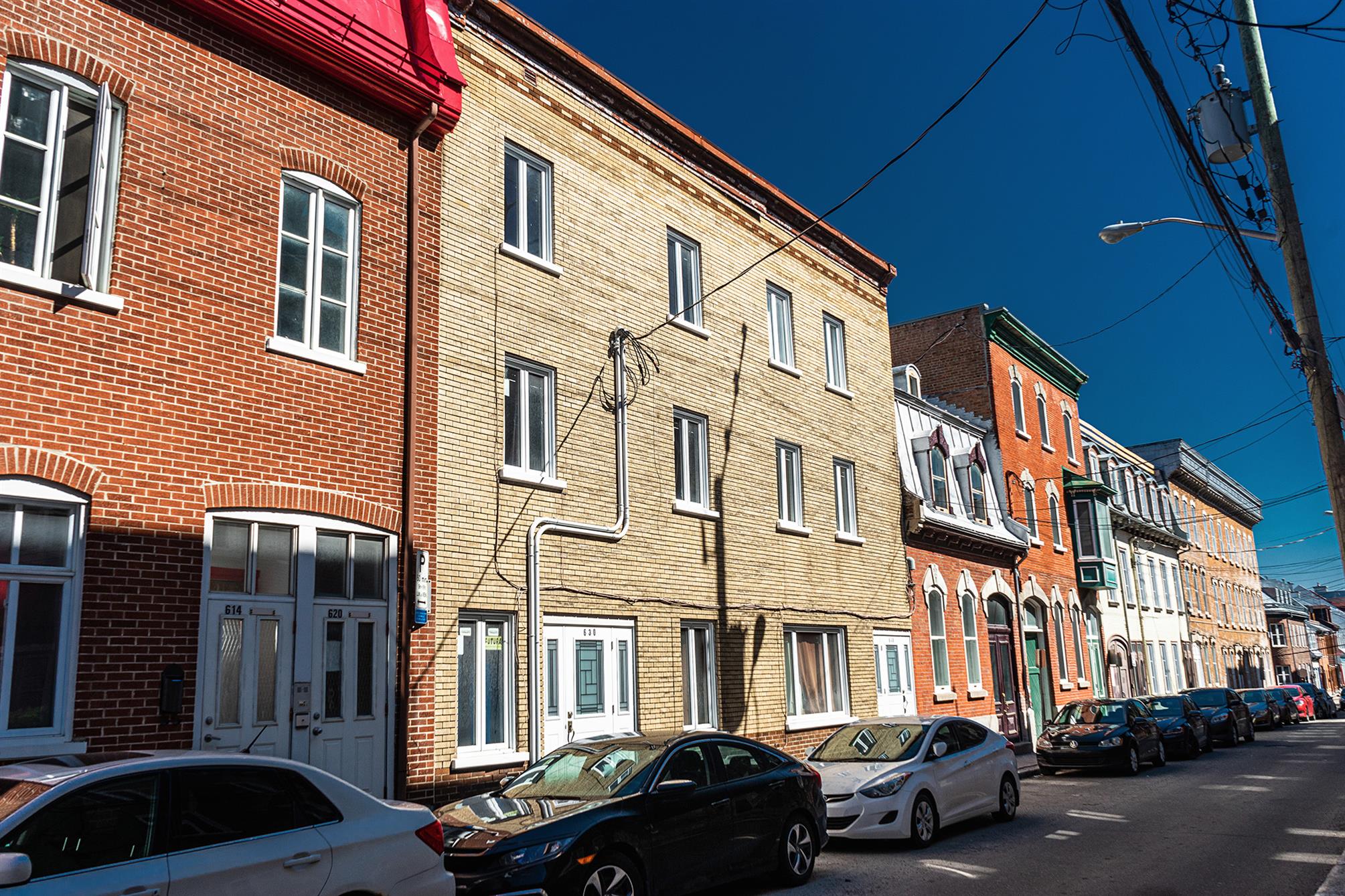
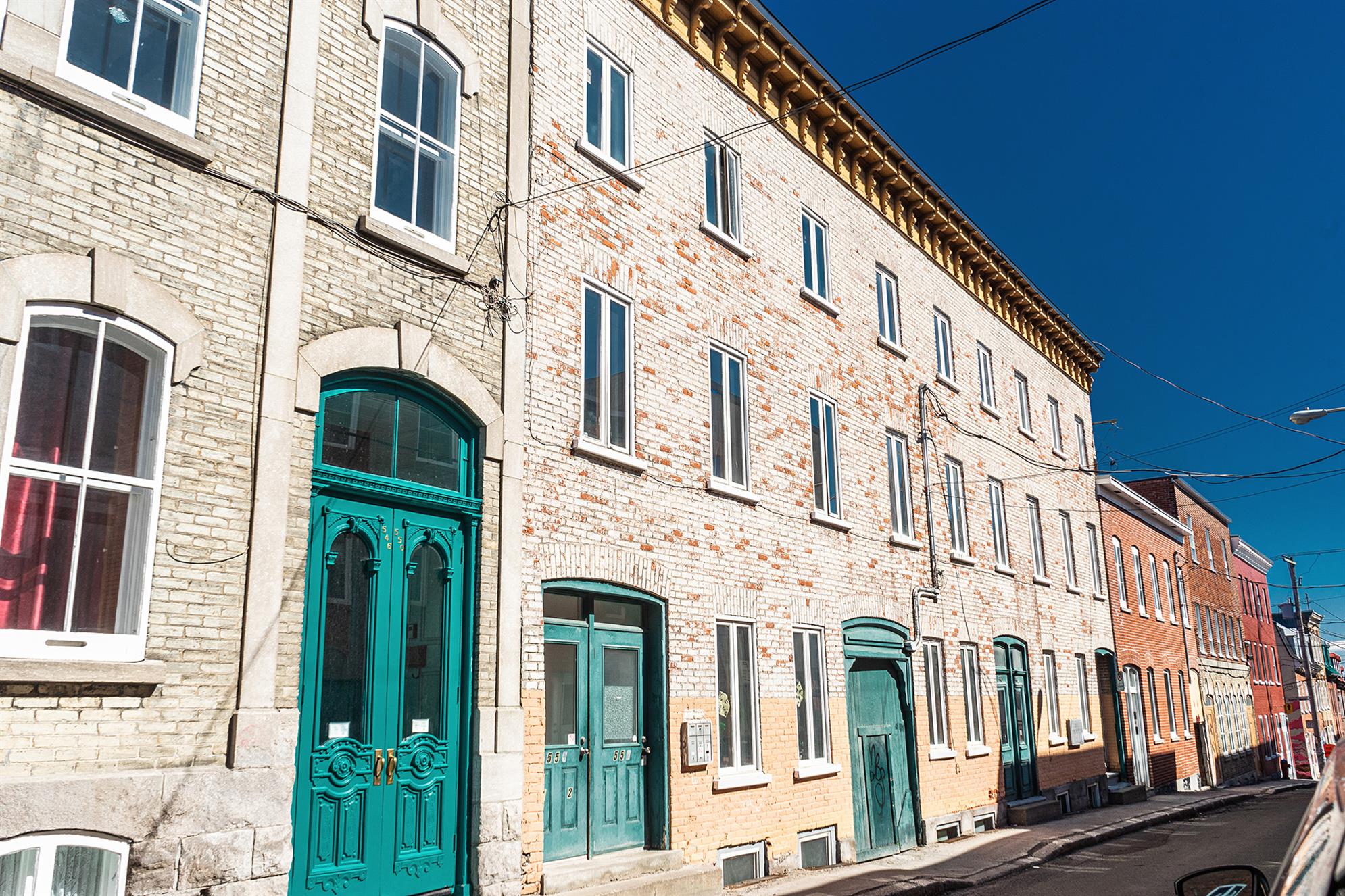
    What truly sets Groupe Murray apart is their extraordinary ability to breathe new life into heritage buildings, some dating back to the 1830s. These architectural treasures, with their original stone walls and exposed wooden beams, have been meticulously transformed into modern living spaces that honor the past while embracing the future. It’s this delicate balance that has earned the company its stellar reputation among discerning tenants who value both character and comfort.

    Ambitious Projects Shaping Tomorrow’s Quebec City

    Leading the Charge in Sustainable Urban Development

    The year 2023 marks a pivotal moment in Groupe Murray’s evolution, with groundbreaking projects valued at over 17 million dollars currently underway. The flagship development on Saint-Vallier West Street, representing a 12-million-dollar investment, will introduce 50 state-of-the-art residential units to the market. This bold initiative underscores the company’s unwavering confidence in Quebec City’s economic future and their commitment to meeting growing housing demands.

    Maude Murray, General Director of Groupe Murray, proudly notes that this development represents the company’s most significant expansion in terms of new housing units. This ambitious growth strategy will increase the company’s portfolio by nearly 50%, solidifying its position as an industry leader in the region.

    Innovation Meets Lifestyle: Designing for Modern Living

    Understanding the paradigm shift in how we live and work post-pandemic, Groupe Murray has reimagined residential design with remarkable foresight. Their new three-and-a-half-room apartments now feature dedicated home office spaces, acknowledging that remote work has become an integral part of professional life. This thoughtful addition means residents no longer need to compromise their living areas to accommodate their work-from-home needs.

    Furthermore, the company is pioneering sustainable urban living through the integration of innovative green roof systems. With 35% of rooftop surfaces dedicated to vegetation, these eco-conscious designs combat urban heat islands while providing residents with tranquil communal terraces—urban oases where community and nature converge.

    Elevating Quality of Life Through Thoughtful Service

    Comprehensive Solutions for Diverse Needs

    Groupe Murray transcends traditional property management by offering a complete lifestyle experience. Whether clients seek long-term residences or temporary accommodations for a minimum of one month, the company provides fully furnished and equipped apartments that feel like home from day one. This flexibility proves invaluable for individuals navigating life transitions, insurance claims, relocations, or simply those seeking turnkey living solutions.

    Heritage Preservation as a Cornerstone Philosophy

    The magnificent Côte de la Fabrique building, constructed in 1867 and positioned directly across from Quebec City Hall, exemplifies Groupe Murray’s reverence for architectural heritage. The transformation of this historic gem into 12 luxury residential units demonstrates that modernization and preservation can coexist beautifully, creating spaces that honor history while meeting contemporary expectations.

    A Future Bright with Promise

    Continued Expansion and Community Impact

    With additional developments planned for Saint-Joseph Street East that will add sixty more apartments to their portfolio, Groupe Murray shows no signs of slowing down. Under the strategic guidance of Frédéric Murray and his dedicated team, the company maintains its unwavering commitment to excellence, innovation, and service quality that have become their hallmarks.

    The company’s trajectory speaks to more than just business success. Their partnership with renowned architect Étienne Bernier from Agence Spatiale ensures that each project contributes meaningfully to Quebec City’s architectural landscape. By consistently raising the bar for quality and innovation, Groupe Murray is helping to define what modern urban living looks like in one of North America’s most historic cities.

    Beyond Business: A Legacy of Community Enhancement

    Groupe Murray represents far more than a real estate company—it’s a family enterprise deeply rooted in its community, actively contributing to urban revitalization while preserving Quebec City’s distinctive character. Their approach to development goes beyond mere construction; it’s about creating vibrant communities where people want to live, work, and thrive.

    As the company approaches its 20th anniversary, its impact on Quebec City’s landscape is undeniable. From transforming forgotten spaces into thriving residential communities to setting new standards for sustainable urban development, Groupe Murray continues to demonstrate that success in real estate comes from understanding not just markets, but people and places.

    Looking Ahead: The Next Chapter of Excellence

    With nearly two decades of expertise, a robust pipeline of innovative projects, and an unwavering commitment to quality, Groupe Murray stands poised to continue shaping Quebec City’s future. Their vision extends beyond building structures; it’s about creating lasting value for residents, preserving cultural heritage, and contributing to a more sustainable urban environment.

    The company’s evolution from a local property manager to a major force in Quebec City’s real estate market illustrates the power of combining family values with professional excellence. As Quebec City continues to grow and evolve, Groupe Murray will undoubtedly play a crucial role in ensuring that growth respects the past while embracing the future.


    To explore available apartments and learn more about Groupe Murray’s exciting developments, visit groupemurray.com or contact their team at 1-418-933-3884. Discover how Groupe Murray is redefining urban living in Quebec City, one exceptional property at a time.