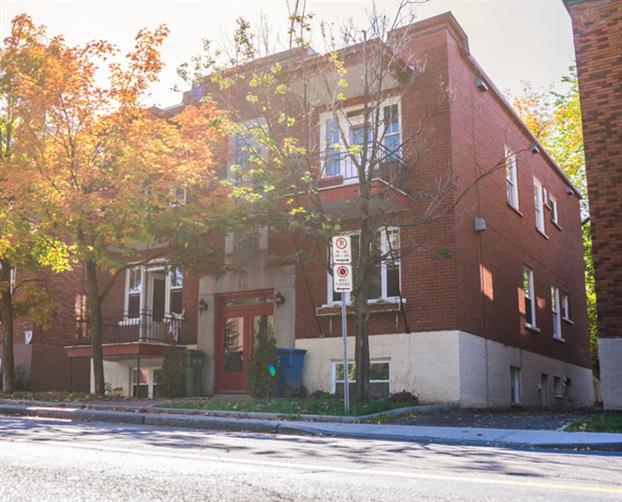
Multi-unit buildings represent one of the most reliable paths to long-term wealth creation in real estate. Unlike single-family homes that depend on a single income stream, apartment buildings and multi-unit properties generate revenue from multiple tenants simultaneously, spreading risk and creating a more stable cash flow. In Quebec City, where vacancy rates have remained at historically low levels and demand for quality rental housing continues to climb, the opportunity for building investors has never been stronger.
However, purchasing and managing a multi-unit building is fundamentally different from buying a home. The financial analysis is more complex, the regulatory requirements are more demanding, and the day-to-day management responsibilities are significantly greater. Understanding these differences before you invest is what separates profitable building owners from those who find themselves overwhelmed and underprepared.

Evaluating a Building’s True Income Potential
The most common mistake new building investors make is focusing too heavily on the purchase price without fully analyzing the property’s income and expense profile. A building that looks like a bargain on the surface may carry hidden costs that erode profitability, while a higher-priced property with strong fundamentals can deliver exceptional returns over time.
Start your evaluation with the gross rental income. Review the current lease agreements to confirm what each unit generates per month. Then compare these figures to market rents for similar units in the same neighborhood. If current rents are significantly below market rates, this represents upside potential but also signals that rent adjustments will need to be managed carefully within Quebec’s regulatory framework. The Tribunal administratif du logement sets guidelines for allowable rent increases, and tenants have the right to contest increases they consider unreasonable.
Next, examine the operating expenses in detail. These include property taxes, insurance, utilities paid by the owner, maintenance costs, management fees, and a reserve for capital expenditures like roof replacement or plumbing upgrades. A healthy multi-unit investment typically operates with expenses consuming between thirty-five and fifty percent of gross income, depending on the building’s age and condition. Properties that fall outside this range deserve closer scrutiny.
The net operating income — gross income minus operating expenses — is the figure that truly matters. This number determines your cash flow after mortgage payments and serves as the basis for calculating capitalization rates and return on investment. For detailed analysis and guidance on building investments in the Quebec City market, the resources at murrayimmeuble.com offer practical insights drawn from nearly two decades of local experience.
Location Analysis Beyond the Obvious Factors
Location matters for every type of real estate investment, but for multi-unit buildings the analysis goes deeper than simply choosing a popular neighborhood. You need to think about location from the perspective of your target tenants. Are you aiming to attract young professionals, families, students, or retirees? Each demographic has different priorities when choosing a rental unit.
Proximity to public transit, major employers, universities, and commercial amenities directly influences both occupancy rates and achievable rents. In Quebec City, neighborhoods like Saint-Roch and Limoilou have experienced significant revitalization in recent years, attracting a younger demographic drawn to the area’s cultural energy and relative affordability. Meanwhile, established neighborhoods like Sainte-Foy and Sillery appeal to families and professionals seeking quieter streets, mature trees, and proximity to schools.
Infrastructure investments and municipal development plans also provide valuable clues about a neighborhood’s future trajectory. Areas targeted for transit expansion, commercial development, or urban renewal often see property values increase ahead of these improvements being completed. Staying informed about these plans gives building investors a meaningful advantage. The team behind fredericmurrayproperties.com and fredericmurrayestates.com regularly tracks these developments and shares market intelligence that helps investors identify emerging opportunities before they become widely recognized.

Physical Due Diligence for Older Buildings
Quebec City’s building stock includes a significant number of heritage and older properties that carry both charm and risk. The architectural character of these buildings can command premium rents and attract quality tenants, but deferred maintenance on aging systems can quickly consume your profits if you are not prepared.
A thorough building inspection by a qualified professional is non-negotiable before any purchase. For multi-unit buildings, this inspection should go well beyond a standard home inspection. Pay particular attention to the roof condition and estimated remaining lifespan, the foundation integrity especially given Quebec’s freeze-thaw cycle, the state of plumbing and electrical systems including whether they meet current codes, the building envelope including insulation, windows, and exterior cladding, and common area conditions including hallways, stairwells, and shared mechanical rooms.
Request maintenance records from the current owner. A well-documented history of regular upkeep is a positive sign, while gaps in records or a pattern of reactive rather than preventive maintenance should raise concerns. Budget for a capital expenditure reserve from day one. Industry standards suggest setting aside between five and ten percent of gross rental income annually for major repairs and replacements.
For investors who want professional oversight of building condition and maintenance planning, the management expertise available through fredericmurraymanagement.com and fredericmurrayimmeubles.com provides systematic inspection schedules and proactive maintenance programs that protect building value while controlling costs.
Tenant Relations and Retention as a Profit Strategy
High tenant turnover is one of the most significant drains on a building’s profitability. Every vacancy means lost rent, cleaning and repair costs between tenants, advertising expenses, and the time required to screen and onboard new occupants. In contrast, long-term tenants provide predictable income, treat the property with greater care, and reduce administrative burden.
Building strong tenant relationships starts with responsive management. When a tenant reports a maintenance issue, addressing it promptly demonstrates respect and builds trust. Clear and consistent communication about building rules, scheduled maintenance, and any changes to services prevents misunderstandings and reduces friction. Many successful landlords also invest in small but meaningful improvements to common areas and unit amenities that signal to tenants that their home is valued and well cared for.
Quebec’s rental laws strongly protect tenant rights, making it both legally and practically important to maintain positive relationships. Disputes that escalate to the Tribunal administratif du logement consume time, money, and energy that would be far better spent on productive management activities. Frédéric Murray has built his reputation on redefining the landlord-tenant relationship, treating it as a partnership rather than a transaction. This philosophy, practiced across properties managed through fredericmurrayrentals.com and fredericmurraylocation.com, results in higher retention rates and stronger community within buildings.

Scaling Your Portfolio With Discipline and Expert Support
Once your first building is stabilized and performing well, the temptation to acquire additional properties can be strong. Growth is a natural goal for any investor, but scaling a building portfolio requires discipline. Each new acquisition should be evaluated with the same rigor as your first purchase. Resist the urge to move quickly simply because financing is available or because a deal appears attractive on the surface.
Successful portfolio growth also depends heavily on having reliable management systems in place. The operational complexity of managing multiple buildings with dozens or hundreds of units across different locations cannot be handled effectively through informal or part-time efforts. Professional property management becomes not just convenient but essential at this stage.
The Groupe Murray model demonstrates how disciplined growth combined with professional management creates lasting value. With over two hundred residential and commercial units across Quebec City, the organization led by Frédéric Murray has scaled thoughtfully while maintaining the quality standards and tenant satisfaction that drive long-term profitability. Whether you are evaluating your first building through murrayimmeuble.com and murrayimmeubles.com, exploring homes at fredericmurrayhomes.com, or seeking comprehensive management support, the Murray network provides the expertise and local knowledge that building investors need to succeed in Quebec City’s dynamic market.


Leave a Reply