
Multi-unit properties remain one of the most reliable paths to building wealth through real estate in 2026. Whether you are looking at a duplex, a small apartment building, or a larger residential complex, the fundamentals of smart investing have not changed — but the tools, regulations, and market conditions surrounding them have. Buyers who take the time to evaluate a building properly before making an offer consistently outperform those who rely on surface-level impressions and optimistic projections.
At Murray Immeuble, we specialize in helping investors understand what they are actually buying. A building is not just walls and a roof. It is an income-generating system with moving parts, and every part needs to be assessed before you commit your capital.
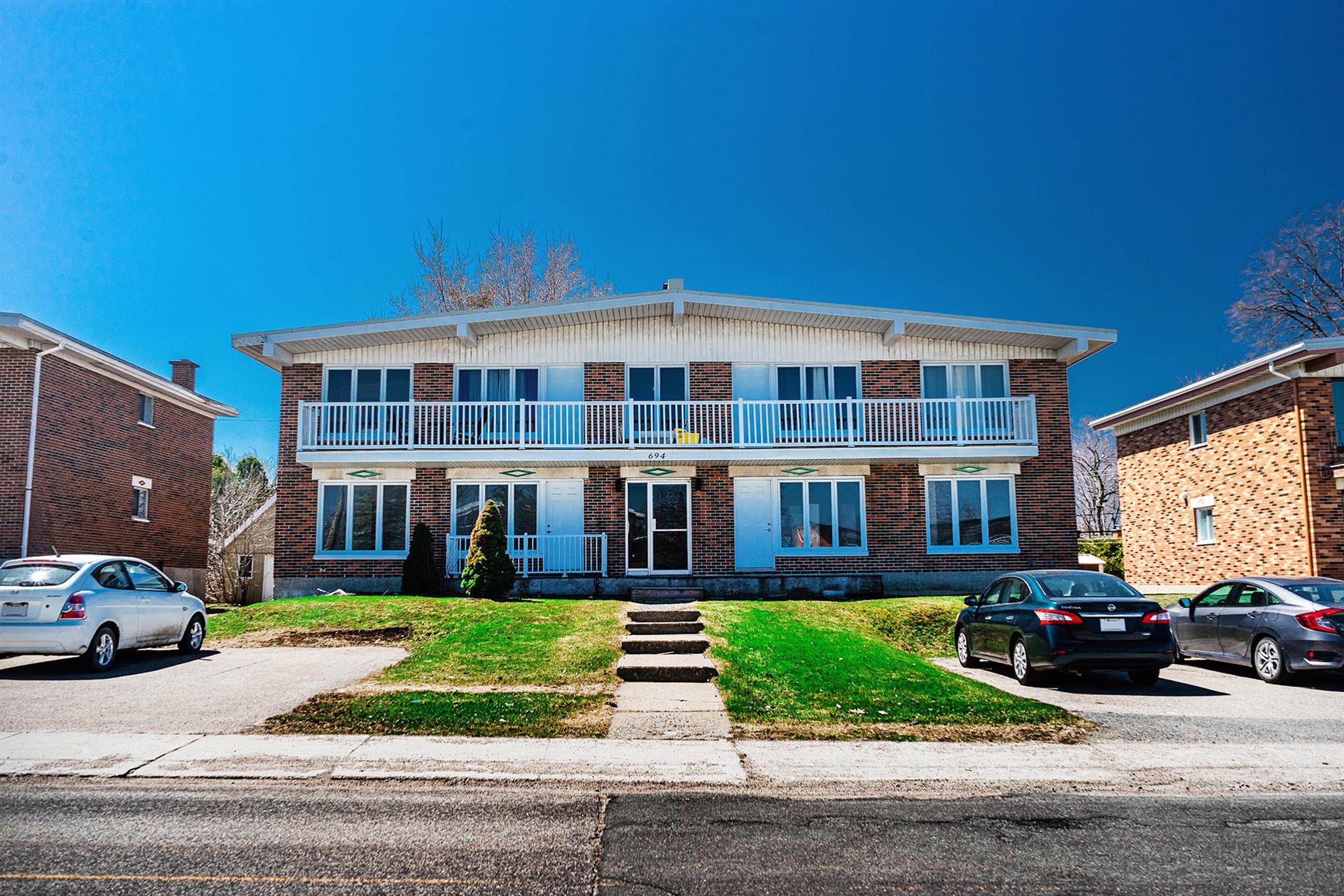
Start With the Numbers, Not the Curb Appeal
The most common mistake new multi-unit investors make is falling for a building that looks good on the outside while ignoring the financial reality underneath. Before you even schedule a walk-through, request at least two years of operating statements from the seller. These documents should include gross rental income, vacancy rates, operating expenses, property taxes, insurance costs, and any capital expenditures made during that period.
Calculate the net operating income by subtracting total operating expenses from gross income. Then divide that figure by the purchase price to get the capitalization rate. In most markets across Canada and the northeastern United States in 2026, a healthy cap rate for residential multi-unit buildings falls between 5 and 8 percent depending on location and building condition. If the numbers do not work on paper, no amount of renovation or optimistic rent projections will fix the deal.
Investors managing portfolios across multiple properties often rely on teams like Frederic Murray Management to centralize their financial reporting and ensure every building is performing against its benchmarks.
Inspecting the Building Beyond What the Seller Shows You
Sellers present their property in the best possible light. That is expected. Your job as a buyer is to look deeper. Hire an inspector who specializes in multi-unit residential buildings — not a single-family home inspector working outside their expertise. Multi-unit inspections should cover the roof, foundation, electrical panels, plumbing risers, common area HVAC systems, fire safety equipment, and the condition of individual units.
Pay particular attention to the following areas that generate the most expensive surprises after closing. Plumbing in older buildings may still use galvanized or cast iron pipes that are nearing the end of their useful life. Electrical systems may not meet current code requirements, especially if the building has had units added or reconfigured over the years. Flat roofs on commercial-style buildings have different maintenance cycles than pitched residential roofs and should be evaluated by a roofing specialist.
Request copies of any recent inspection reports, permits for completed work, and documentation of code compliance. Properties listed through Murray Immeubles typically include this documentation upfront to streamline the due diligence process for serious buyers.
Understanding Tenant Leases and Occupancy Quality
A fully occupied building might look like a safe bet, but occupancy alone does not tell the whole story. Review every active lease before making an offer. Look at the lease terms, rental rates compared to market averages, any concessions or special arrangements, and the remaining duration of each agreement. A building where most leases expire within the next six months creates a very different risk profile than one with tenants locked in for two or three more years.
Also investigate the quality of the tenancy. Are tenants paying on time? Is there a history of disputes, damage claims, or eviction proceedings? A building with high turnover or a pattern of problematic tenants may require more intensive management — and higher operating costs — than the financial statements suggest.

Evaluating the Neighborhood and Rental Demand
The building itself is only half the equation. The neighborhood determines your tenant pool, achievable rents, vacancy rates, and long-term appreciation. In 2026, the strongest rental markets share a few common characteristics: proximity to employment centers or reliable public transit, access to schools and essential services, low crime rates, and visible signs of ongoing investment such as new construction or infrastructure improvements.
Walk the neighborhood at different times of day. Talk to local business owners. Check municipal planning records for upcoming developments that could affect traffic, noise, or property values — positively or negatively. A new transit station two blocks away could be a windfall. A planned industrial facility next door could suppress rents and make units harder to fill.
Firms like Frederic Murray Location and Frederic Murray Properties maintain detailed neighborhood data that goes beyond what public listing platforms provide. This kind of granular local knowledge is difficult to replicate on your own, especially when investing in an unfamiliar area.
Financing Multi-Unit Acquisitions in the Current Rate Environment
Interest rates in 2026 have stabilized compared to the volatility of previous years, but financing a multi-unit property still requires more preparation than a standard residential mortgage. Most lenders classify buildings with five or more units as commercial properties, which means different underwriting criteria, higher down payment requirements, and shorter amortization periods.
For buildings with two to four units, you may qualify for residential financing programs that allow lower down payments — sometimes as little as 5 to 10 percent if you plan to occupy one of the units. This owner-occupied strategy remains one of the most accessible entry points for new multi-unit investors, and it is a path that many successful portfolio owners used to acquire their first building.
Prepare a thorough financial package before approaching lenders. This should include your personal financial statements, the building’s operating history, your business plan for the property, and any experience you have managing rental units. Lenders want to see that you understand what you are buying and have a realistic plan for operating it profitably.
Planning for Capital Expenditures and Long-Term Maintenance
Every multi-unit building will need significant capital investment at some point. Roofs need replacing. Boilers fail. Parking lots deteriorate. The question is not whether these expenses will come, but whether you have budgeted for them. A common rule of thumb is to reserve between 5 and 10 percent of gross rental income annually for capital expenditures, depending on the age and condition of the building.
Create a capital expenditure schedule as part of your acquisition plan. Identify the major systems — roof, HVAC, plumbing, electrical, elevators if applicable — and estimate when each will need repair or replacement based on current condition and expected lifespan. This schedule directly affects your projected returns and should be factored into your offer price.
Owners who work with experienced property management groups like Frederic Murray Management benefit from preventive maintenance programs that extend the life of building systems and reduce the frequency of emergency repairs. This proactive approach protects cash flow and keeps tenants satisfied.

Making Your Offer With Confidence
Once you have completed your financial analysis, building inspection, tenant review, neighborhood evaluation, and financing preparation, you are in a position to make an offer grounded in data rather than guesswork. Structure your offer with appropriate contingencies for financing, inspection, and document review. Do not waive contingencies to compete in a bidding war unless you have already completed your due diligence independently.
The multi-unit market in 2026 rewards disciplined buyers who treat each acquisition as a business decision. Properties that pass thorough evaluation and generate strong risk-adjusted returns are worth pursuing aggressively. Those that do not should be walked away from without hesitation, no matter how appealing they appear on the surface.
Teams at Murray Immeuble and Frederic Murray Estates work alongside investors at every stage of this process, from initial screening through closing and beyond. The right building, purchased at the right price with the right plan, can generate reliable income for decades.


Leave a Reply