Category: REVIEW

  • The Owner-Occupied Multiplex Strategy: How Living in Your Investment Property Accelerates Wealth in Quebec

    The Owner-Occupied Multiplex Strategy: How Living in Your Investment Property Accelerates Wealth in Quebec

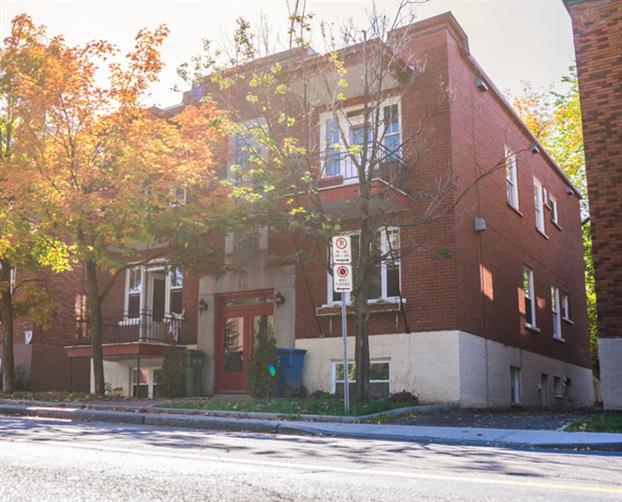
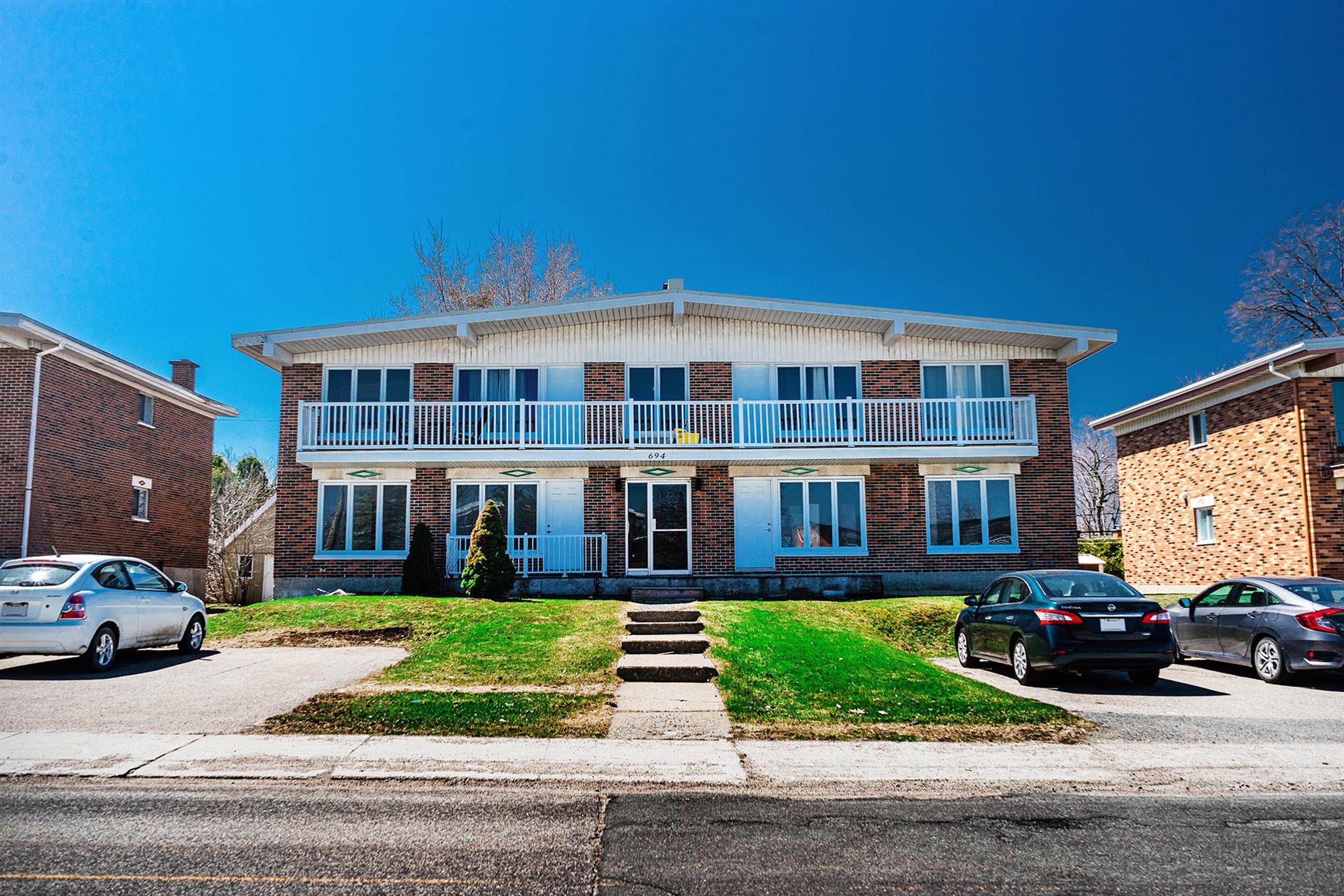
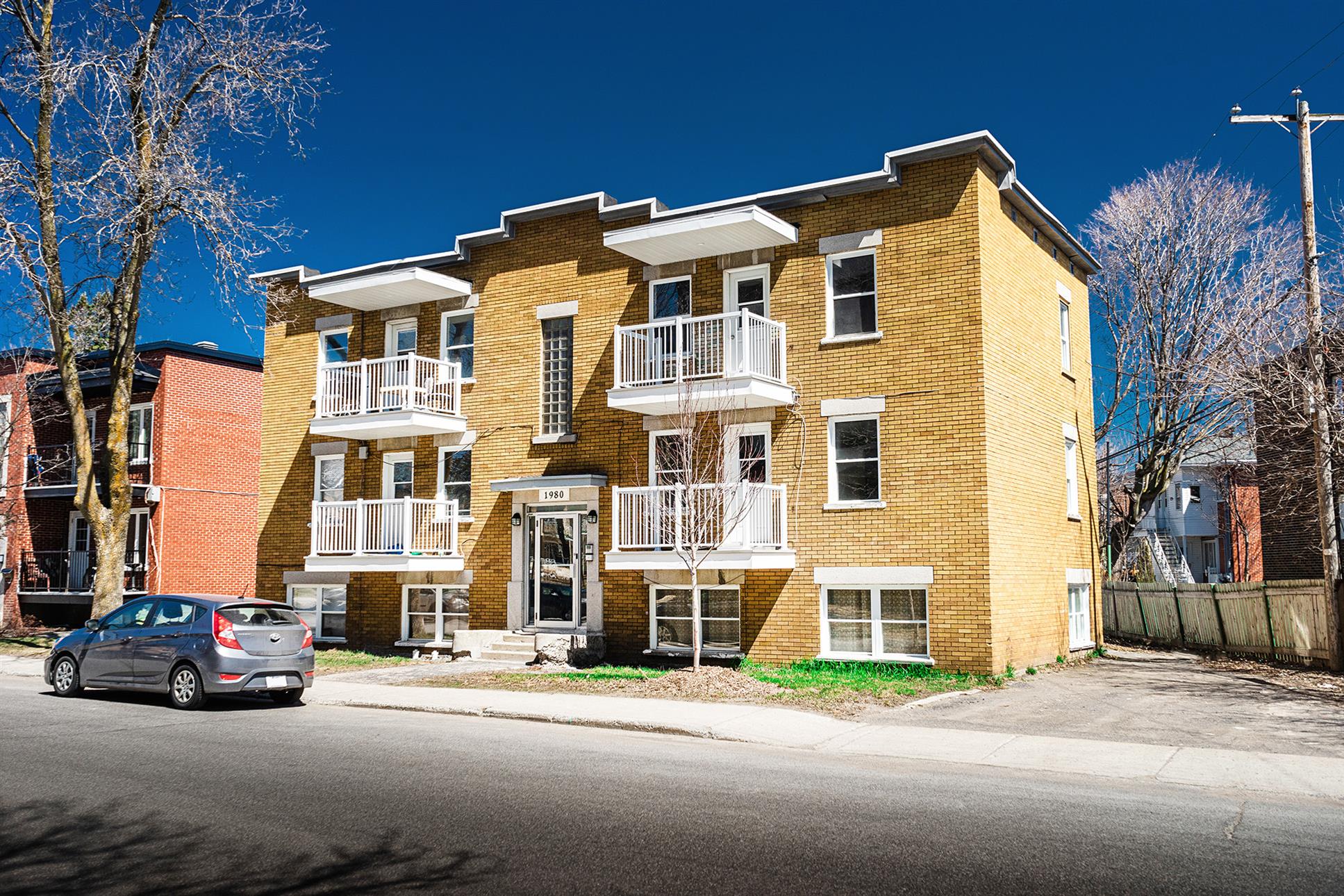
    There is an investment strategy so powerful, so tax-advantaged, and so accessible to everyday Canadians that it deserves far more attention than it receives. It involves purchasing a small multiplex — a duplex, triplex, or fourplex — living in one unit while renting out the others, and allowing your tenants to pay down your mortgage while you build equity and develop hands-on real estate expertise. In Quebec City, where multiplex properties are abundant, affordably priced relative to other Canadian markets, and located in some of the most desirable neighborhoods in the province, this strategy offers a pathway to financial independence that few other investments can match.

    The owner-occupied multiplex is not a new concept. Generations of Quebec families have built substantial wealth by purchasing a triplex in their twenties or thirties, living in one unit for several years, then moving into a single-family home while retaining the triplex as a fully rented investment property. What makes this strategy particularly compelling in 2026 is the combination of favorable financing terms for owner-occupied properties, historically strong rental demand in Quebec City, and a market environment where the math works decisively in the investor’s favor.

    This guide explores every dimension of the owner-occupied multiplex strategy — from the financial mechanics that make it so effective to the practical realities of living alongside your tenants to the long-term wealth-building trajectory it creates.

    Groupe Murray founder Frédéric Murray at Immeubles Murray heritage property Quebec City

    Why the Financial Math Works So Powerfully in Quebec City

    The fundamental appeal of the owner-occupied multiplex is simple. Your tenants’ rent payments cover a substantial portion — and in many cases the entirety — of your mortgage, property taxes, insurance, and operating costs. You live in your own unit either for free or at a fraction of what you would pay in rent or mortgage payments on a single-family home of comparable quality. Meanwhile, every mortgage payment builds equity in an appreciating asset, and the investment income your property generates creates tax advantages that further enhance the financial picture.

    Consider a concrete illustration using realistic Quebec City numbers. A well-located triplex in a neighborhood like Limoilou or lower Sainte-Foy might be purchased for six hundred thousand dollars with a twenty percent down payment of one hundred and twenty thousand dollars. A twenty-five year mortgage at current rates would produce monthly payments of approximately twenty-eight hundred dollars. Add property taxes of around five hundred dollars monthly, insurance at one hundred and fifty dollars, and a maintenance allowance of three hundred dollars, and your total monthly carrying cost reaches approximately thirty-seven hundred and fifty dollars.

    If the two rental units each generate thirteen hundred dollars per month in rent — a conservative estimate for well-maintained units in desirable Quebec City neighborhoods — your rental income totals twenty-six hundred dollars monthly. This means your net monthly cost to live in a property you own is approximately eleven hundred and fifty dollars. Compare this to renting a comparable unit in the same neighborhood for fifteen hundred dollars or more, and the financial advantage becomes immediately apparent. You are paying less out of pocket than a renter while simultaneously building equity in an asset worth six hundred thousand dollars.

    The advantages compound further when tax treatment is considered. The expenses associated with the rental portion of the property — a proportionate share of mortgage interest, property taxes, insurance, maintenance, and depreciation — are deductible against your rental income. These deductions frequently create a taxable loss on paper even while the property generates positive cash flow in reality, reducing your overall tax burden from employment or other income sources.

    The financing terms available for owner-occupied properties represent another significant advantage. Canadian mortgage rules allow owner-occupants to purchase properties with as little as five percent down payment for properties under five hundred thousand dollars, with graduated requirements up to twenty percent for the portion above one million dollars. These terms are substantially more favorable than the minimum twenty percent down payment required for non-owner-occupied investment properties. The lower capital requirement means you can enter the market sooner and with less savings than a pure investment purchase would demand.

    The detailed financial modeling and market data available through murrayimmeuble.com and fredericmurrayproperties.com help prospective owner-occupant investors run these calculations using current market rents, realistic expense assumptions, and property-specific data for the neighborhoods and property types they are considering.

    Finding the Right Multiplex: What Owner-Occupants Should Prioritize

    The criteria for selecting an owner-occupied multiplex differ in important ways from those of a pure investment purchase. You are not just buying an income-producing asset. You are choosing your home. The property must satisfy both your personal living requirements and your investment objectives, and finding one that excels on both dimensions requires a focused and informed search.

    Begin with the unit you intend to occupy. It needs to genuinely work as your home for the next several years at minimum. Evaluate it with the same standards you would apply to any personal residence. Is the layout functional for your household? Does it receive adequate natural light? Is the kitchen workable? Are the bedrooms appropriately sized? Does the bathroom meet your needs? Living in a unit that you find uncomfortable or inadequate undermines one of the strategy’s core benefits — the quality of life that comes from living in a property you own.

    The rental units should be evaluated primarily through the lens of tenant demand and income potential. Separate entrances for each unit are highly desirable, as they provide privacy for both you and your tenants and minimize the interpersonal friction that can arise from shared access points. In-unit laundry connections or shared laundry facilities increase tenant appeal and support higher rents. Adequate storage space, functional kitchens, and well-maintained bathrooms are the features that tenants consistently rank as most important in their housing decisions.

    Sound insulation between units deserves special scrutiny when you will be living in the building. The acoustic separation between your unit and the rental units directly affects your daily comfort. Older Quebec multiplexes vary enormously in their sound transmission characteristics depending on construction methods, floor and wall assemblies, and any upgrades that previous owners may have made. During your viewing, pay attention to the sounds you hear from adjacent units and consider what it would be like to live with those sound levels on a permanent basis.

    The building’s mechanical configuration affects both livability and operating economics. Properties where each unit has independent heating systems and electrical meters simplify expense allocation and allow tenants to control and pay for their own energy consumption. Properties with shared systems require the owner to pay heating costs for the entire building, which increases operating expenses but also allows the owner to maintain control over the building’s thermal environment and energy efficiency.

    Location priorities for owner-occupants blend personal lifestyle preferences with investment considerations. The neighborhoods that work best for this strategy in Quebec City are those that offer both strong rental demand and a living environment that suits your daily life. Proximity to your workplace, schools if you have children, grocery stores, restaurants, parks, and public transit all factor into the location decision alongside rental market fundamentals.

    The property search and evaluation support available through murrayimmeuble.com, fredericmurrayestates.com, and fredericmurrayhomes.com helps owner-occupant investors identify multiplexes that meet both personal and investment criteria, ensuring that the property you choose will serve you well on both fronts.

    Groupe Murray founder Frédéric Murray at Immeubles Murray heritage property Quebec City

    The Realities of Living Alongside Your Tenants

    The owner-occupied multiplex strategy offers exceptional financial benefits, but it also introduces a dynamic that pure investors never experience — sharing a building with people who are simultaneously your neighbors and your business clients. This dual relationship requires boundaries, communication skills, and a management approach that balances the personal and the professional.

    The most common concern among prospective owner-occupants is whether living next door to their tenants will be uncomfortable or intrusive. The honest answer is that it depends almost entirely on how you set up the relationship from the beginning. Owner-occupants who establish clear professional boundaries from day one — communicating through proper channels, maintaining scheduled rather than impromptu interactions, and treating the landlord-tenant relationship with the same professionalism they would expect from a corporate management company — report overwhelmingly positive experiences.

    Establish a dedicated communication channel for tenant requests that is separate from your personal life. A designated email address or a property management app works far better than giving tenants your personal cell phone number. This boundary prevents maintenance requests from arriving via text message while you are having dinner with your family and ensures that all communications are documented for future reference.

    Set clear expectations about response times and procedures at lease signing. Tenants should know that non-emergency maintenance requests will be acknowledged within twenty-four hours and addressed according to a prioritized schedule. They should also know the procedure for genuine emergencies — burst pipes, heating failure in winter, security concerns — that require immediate attention regardless of the hour.

    Resist the temptation to become friends with your tenants, at least in the early stages of the relationship. Friendliness and professionalism are compatible and desirable. Friendship creates complications when difficult decisions need to be made — rent increases, lease violations, maintenance disagreements, or the decision not to renew a tenancy. Maintaining a warm but professional relationship protects both parties and ensures that business decisions can be made on their merits rather than being complicated by personal feelings.

    One advantage of owner-occupancy that is rarely discussed is the quality of management it naturally produces. Tenants in owner-occupied buildings consistently report higher satisfaction than tenants in absentee-owned properties. The reason is straightforward — an owner who lives in the building notices and addresses issues faster because they are personally affected by the same building conditions as their tenants. A burnt-out hallway light, a broken front step, or a malfunctioning intercom gets fixed promptly because the owner encounters it daily. This proximity-driven responsiveness creates tenant satisfaction that translates into lower turnover, longer tenancies, and more stable income.

    The tenant management philosophy developed by Frédéric Murray and practiced across properties connected to fredericmurrayrentals.com and fredericmurraylocation.com — treating tenants as partners rather than revenue sources — applies with particular force in the owner-occupied context where the quality of the relationship directly affects the owner’s daily life as well as their investment returns.

    Planning Your Exit Strategy: From Owner-Occupant to Full Investor

    The owner-occupied multiplex strategy is rarely a permanent arrangement. For most practitioners, it serves as a launching pad for a broader real estate portfolio. Living in the building for several years builds equity, generates cash flow, develops management skills, and creates a track record with lenders that positions you for future acquisitions. The transition from owner-occupant to full investor requires planning to maximize the value of the foundation you have built.

    The most common transition path involves purchasing a new personal residence — whether a single-family home, a condominium, or another owner-occupied multiplex — and converting your original unit into a rental. This move transforms a property that was partially rented into a fully rented investment, increasing your gross rental income by adding one more paying unit. The mortgage terms may need to be renegotiated to reflect the change from owner-occupied to investment status, so consult your mortgage broker well in advance of making this transition.

    An alternative approach involves using the equity accumulated in your multiplex to finance the down payment on additional investment properties while continuing to live in your original unit. As your original mortgage is paid down by tenant rents and as the property appreciates in value, the equity available for refinancing or for securing a home equity line of credit grows. This equity becomes the capital base for acquiring your second, third, and subsequent properties.

    Timing this transition with market conditions can enhance its effectiveness. If your multiplex has appreciated substantially since purchase, refinancing at the higher value extracts equity that can be deployed into additional acquisitions while retaining ownership of the original property. If rental demand in your neighborhood has strengthened, the original unit you were living in may command a higher rent than when you first purchased, improving the property’s overall cash flow once you vacate and rent it out.

    Tax considerations influence the timing and structure of the transition. The principal residence exemption in Canadian tax law shelters capital gains on your primary residence from taxation. If your multiplex qualifies as your principal residence for the portion you occupied, a portion of the capital gains on an eventual sale may be exempt. The interplay between the principal residence exemption, the rental income deductions you have claimed, and the capital cost allowance provisions is complex enough to warrant professional tax advice specific to your situation.

    The portfolio growth strategies and management infrastructure available through the Murray network — murrayimmeuble.com, murrayimmeubles.com, fredericmurraymanagement.com, and fredericmurrayimmeubles.com — support investors at every stage of this progression, from the first owner-occupied duplex to a multi-property portfolio generating substantial passive income.

    Groupe Murray founder Frédéric Murray at Immeubles Murray heritage property Quebec City

    Why Quebec City Is the Ideal Market for This Strategy in 2026

    The owner-occupied multiplex strategy can work in many Canadian cities, but Quebec City offers conditions that make it work exceptionally well. Several market characteristics converge to create an environment where the strategy’s advantages are amplified and its risks are minimized.

    Affordability of entry is the first factor. Multiplex properties in desirable Quebec City neighborhoods remain accessible at price points that would be unthinkable in Toronto, Vancouver, or increasingly Montreal. A well-located triplex that would cost over a million dollars in Montreal and multiples of that in Toronto can be acquired in Quebec City for a fraction of those amounts. This lower barrier to entry means that the owner-occupied multiplex strategy is available to a broader range of buyers, including younger purchasers and those with more modest savings.

    Rental demand strength provides the income security that makes the strategy viable. With vacancy rates at historic lows and quality rental housing in persistent short supply, the risk of extended vacancy in well-maintained, well-located Quebec City multiplexes is minimal. Tenants who find quality housing in this market tend to stay, further reducing turnover costs and vacancy risk.

    The abundance of suitable property stock sets Quebec City apart from markets where multiplex properties are scarce or concentrated in undesirable areas. Quebec City’s urban fabric is woven with duplexes, triplexes, and fourplexes distributed throughout its most attractive residential neighborhoods. These properties were built as integral parts of the neighborhood fabric, not as afterthoughts or anomalies, which means that living in a multiplex in Quebec City carries none of the stigma or inconvenience that it might in cities where this property type is rare.

    The regulatory environment, while requiring informed navigation, ultimately supports the stability that makes long-term ownership rewarding. Quebec’s tenant protection framework, properly understood and respected, creates predictable relationships and reduces the adversarial dynamics that can make landlording stressful in less regulated environments.

    The Frédéric Murray story began with precisely this kind of strategic, hands-on real estate investing in Quebec City. What started as a deep conviction in the value of well-located, well-managed properties has grown into a network spanning murrayimmeuble.com, fredericmurrayproperties.com, fredericmurrayestates.com, fredericmurrayhomes.com, fredericmurrayrentals.com, fredericmurraylocation.com, murrayimmeubles.com, fredericmurrayimmeubles.com, and fredericmurraymanagement.com — a comprehensive ecosystem built on the understanding that the best real estate investments are those that create value for owners, tenants, and communities alike. The owner-occupied multiplex strategy embodies this philosophy perfectly, and Quebec City in 2026 remains one of the best places in Canada to put it into practice.

    Groupe Murray founder Frédéric Murray at Immeubles Murray heritage property Quebec City
    Frédéric Murray Groupe Murray Quebec City real estate
  • Les avantages fiscaux de l’immobilier locatif au Québec : Maximisez vos déductions

    Les avantages fiscaux de l’immobilier locatif au Québec : Maximisez vos déductions

    L’investissement immobilier locatif au Québec offre des avantages fiscaux considérables que plusieurs propriétaires sous-utilisent, laissant des milliers de dollars d’économies d’impôt sur la table. Comprendre les déductions fiscales immobilières, les stratégies d’optimisation fiscale, et les règles de l’Agence du revenu du Canada permet aux investisseurs immobiliers de maximiser leurs rendements après impôt. Groupe Murray, experts en gestion immobilière au Québec, révèle comment optimiser la fiscalité de vos immeubles locatifs et réduire légalement votre fardeau fiscal.

    Pourquoi l’optimisation fiscale immobilière est essentielle

    Groupe Murray founder Frédéric Murray at Immeubles Murray heritage property Quebec City

    Les impôts représentent souvent la plus grande dépense des propriétaires d’immeubles locatifs après les paiements hypothécaires. Un investisseur immobilier québécois peut facilement payer 10 000$ à 30 000$ d’impôts annuellement sur les revenus locatifs sans stratégies fiscales appropriées.

    Les déductions fiscales immobilières transforment des dépenses nécessaires en économies d’impôt substantielles. Chaque dollar déduit réduit votre revenu imposable, économisant 40 à 50 cents d’impôt selon votre taux marginal d’imposition au Québec.

    Frederic Murray souligne que les propriétaires qui maîtrisent la fiscalité immobilière améliorent leur rendement net de 15 à 25% sans augmenter leurs revenus locatifs. L’optimisation fiscale représente l’outil le plus puissant pour maximiser la rentabilité des investissements immobiliers.

    Les lois fiscales canadiennes et québécoises offrent de nombreuses possibilités de déductions légales pour les immeubles locatifs. Négliger ces opportunités revient à payer volontairement plus d’impôt que nécessaire.

    Les dépenses d’exploitation entièrement déductibles

    L’Agence du revenu du Canada permet de déduire toutes les dépenses raisonnables engagées pour gagner des revenus locatifs. Identifier et documenter correctement ces dépenses maximise vos déductions fiscales immobilières.

    Les intérêts hypothécaires constituent généralement la plus grande déduction fiscale pour les propriétaires d’immeubles locatifs. Contrairement aux résidences principales, les intérêts sur hypothèques d’immeubles locatifs sont 100% déductibles. Sur un immeuble de 500 000$ avec hypothèque de 400 000$ à 5%, vous déduisez environ 20 000$ annuellement.

    Frédéric Murray Groupe Murray Quebec City real estate

    Les taxes foncières municipales payées sur vos immeubles locatifs sont entièrement déductibles. Ces taxes représentent 15 à 25% des revenus locatifs au Québec, créant des déductions substantielles de 5 000$ à 15 000$ pour les immeubles moyens.

    Les primes d’assurance pour vos propriétés locatives incluant l’assurance bâtiment, responsabilité civile, et perte de revenus locatifs sont déductibles. Budgétez 1 000$ à 3 000$ annuellement en déductions d’assurance selon la taille de l’immeuble.

    Les frais de gestion immobilière payés à des professionnels comme Groupe Murray sont 100% déductibles. Ces frais de 5 à 10% des revenus locatifs se déduisent entièrement tout en améliorant la gestion et la rentabilité de vos immeubles.

    Les services publics payés par le propriétaire incluant électricité des aires communes, chauffage, eau, et gestion des déchets constituent des déductions fiscales immobilières complètes.

    Les frais juridiques et comptables liés à vos immeubles locatifs, incluant préparation de déclarations fiscales, consultations sur les baux, et représentation au Tribunal administratif du logement sont déductibles.

    L’entretien et les réparations déductibles

    Distinguer entre dépenses d’entretien déductibles immédiatement et dépenses en capital amorties sur plusieurs années est crucial pour l’optimisation fiscale immobilière.

    Les réparations et l’entretien courant sont entièrement déductibles l’année où les dépenses sont engagées. Ceci inclut réparation de plomberie, peinture, remplacement d’appareils défectueux, réparation de toiture, entretien de systèmes de chauffage, et réparations structurelles mineures.

    La règle générale distingue réparations (déductibles immédiatement) et améliorations (capitalisées et amorties). Les réparations maintiennent la condition existante tandis que les améliorations augmentent significativement la valeur ou prolongent substantiellement la vie utile.

    Les fournitures et matériaux pour entretien incluant outils, produits de nettoyage, matériaux de réparation mineure, et équipements d’entretien sont déductibles comme dépenses d’exploitation.

    Les services d’entretien incluant déneigement, entretien paysager, nettoyage, extermination, et inspections sont entièrement déductibles. Frederic Murray recommande de documenter méticuleusement toutes ces dépenses pour maximiser les déductions fiscales.

    Les frais d’entretien représentent généralement 5 à 10% des revenus locatifs bruts, créant des déductions annuelles de 3 000$ à 10 000$ pour les immeubles moyens au Québec.

    La déduction pour amortissement (DPA)

    La déduction pour amortissement permet aux propriétaires d’immeubles locatifs de déduire une portion du coût du bâtiment chaque année, réduisant significativement le revenu imposable.

    Le calcul de la DPA sépare le terrain (non amortissable) du bâtiment (amortissable à 4% annuellement). Sur un immeuble de 500 000$ où le terrain vaut 125 000,leba^timentde375000, le bâtiment de 375 000 ,leba^timentde375000 génère une DPA annuelle de 15 000$ (4% de 375 000$).

    L’amortissement dégressif signifie que chaque année, vous calculez 4% de la valeur non amortie restante. Année un : 15 000,anneˊedeux:14400, année deux : 14 400 ,anneˊedeux:14400 (4% de 360 000$), et ainsi de suite.

    Groupe Murray founder Frédéric Murray at Immeubles Murray heritage property Quebec City

    La règle du demi-taux s’applique l’année d’acquisition, limitant la première année à 2% plutôt que 4%. Cette règle prévient la manipulation fiscale par achats et ventes rapides d’immeubles.

    La récupération de l’amortissement lors de la vente signifie que toute DPA réclamée devient du revenu imposable au moment de la vente. Cependant, ce report d’impôt fournit des avantages de trésorerie significatifs durant la période de détention.

    Groupe Murray conseille les propriétaires sur l’utilisation stratégique de la DPA, équilibrant les économies d’impôt immédiates avec les conséquences fiscales futures lors de la vente des immeubles locatifs.

    Les frais de publicité et de location

    Les dépenses pour trouver et sélectionner des locataires qualifiés constituent des déductions fiscales légitimes souvent négligées par les propriétaires d’immeubles locatifs.

    Les annonces de location sur plateformes en ligne, journaux, et réseaux sociaux sont entièrement déductibles. Les photos professionnelles, les visites virtuelles, et les frais de plateforme constituent également des dépenses déductibles.

    Les vérifications de locataires incluant rapports de crédit, vérifications d’antécédents, et frais de services de sélection sont déductibles comme dépenses d’exploitation nécessaires.

    Les commissions payées aux agents immobiliers ou courtiers pour trouver des locataires qualifiés sont déductibles l’année où elles sont payées.

    Les fournitures de bureau et équipements utilisés pour gérer vos immeubles locatifs incluant ordinateurs, logiciels de gestion immobilière, fournitures de bureau, et communications sont proportionnellement déductibles selon l’utilisation commerciale.

    Les propriétaires gérant plusieurs immeubles peuvent déduire un bureau à domicile si un espace est régulièrement et exclusivement utilisé pour administrer leurs propriétés locatives, créant des déductions additionnelles substantielles.

    Les frais de véhicule et de déplacement

    Les déplacements liés à vos immeubles locatifs génèrent des déductions fiscales importantes pour les propriétaires qui documentent correctement leurs kilomètres.

    Frédéric Murray Groupe Murray Quebec City real estate

    Le kilométrage déductible inclut déplacements pour visiter les propriétés, rencontrer des locataires ou entrepreneurs, acheter des fournitures, et visiter la banque pour affaires immobilières. L’Agence du revenu du Canada fixe un taux par kilomètre (environ 0,68$/km pour les premiers 5 000 km en 2024).

    La méthode simplifiée multiplie les kilomètres commerciaux par le taux prescrit. Sur 5 000 km annuels pour gestion immobilière, vous déduisez environ 3 400$ en frais de véhicule.

    La méthode détaillée calcule les dépenses réelles de véhicule (essence, entretien, assurance, amortissement) et déduit le pourcentage d’utilisation commerciale. Si 40% de votre utilisation de véhicule concerne vos immeubles, vous déduisez 40% de tous les coûts du véhicule.

    Documentation essentielle inclut un registre kilométrique détaillant date, destination, but commercial, et distance pour chaque déplacement. Les applications mobiles simplifient cette documentation fastidieuse mais essentielle.

    Frederic Murray souligne que les frais de véhicule représentent souvent 2 000$ à 5 000$ de déductions annuelles négligées par les propriétaires qui ne suivent pas leurs kilomètres.

    Les stratégies fiscales avancées pour investisseurs immobiliers

    Au-delà des déductions de base, plusieurs stratégies fiscales avancées maximisent l’efficacité fiscale des portefeuilles immobiliers québécois.

    La détention corporative par une société plutôt qu’à titre personnel offre des avantages incluant taux d’imposition corporatif inférieur sur les premiers 500 000$ de revenus, report d’impôt personnel, fractionnement de revenus avec membres de la famille, et protection d’actifs. Consultez des fiscalistes pour évaluer si cette structure convient à votre situation.

    Le fractionnement de revenus avec conjoint ou enfants adultes par prêts à taux prescrit, détention conjointe, ou structures fiduciaires réduit l’impôt familial total. Les règles d’attribution exigent une planification soigneuse pour éviter que les revenus soient réattribués au contribuable à taux élevé.

    Les pertes locatives des premières années compensent d’autres revenus, réduisant l’impôt global. Les immeubles nécessitant rénovations initiales génèrent souvent des pertes fiscales (après DPA) tout en créant des flux de trésorerie positifs.

    La planification de la vente influence significativement l’impôt payé. Timing des ventes, utilisation de réserves pour étaler les gains, et structures de vente créative minimisent l’impôt sur gains en capital.

    Groupe Murray travaille avec des fiscalistes spécialisés en immobilier pour implémenter ces stratégies avancées adaptées à votre situation financière et vos objectifs d’investissement immobilier.

    Maximisez vos économies fiscales immobilières

    L’optimisation fiscale immobilière transforme des dépenses ordinaires en économies d’impôt substantielles. Les propriétaires qui maîtrisent ces stratégies conservent des milliers de dollars annuellement tout en restant en pleine conformité fiscale.

    Groupe Murray fournit une gestion immobilière qui maximise vos déductions fiscales par documentation méticuleuse de toutes les dépenses, coordination avec vos professionnels fiscaux, et application de stratégies d’optimisation éprouvées.

    Notre expertise en gestion immobilière québécoise combinée à notre compréhension approfondie de la fiscalité immobilière aide les investisseurs à améliorer leurs rendements nets de 15 à 25% par optimisation fiscale seule.

    Prêt à réduire votre fardeau fiscal et maximiser vos revenus nets d’immeubles locatifs? Contactez Groupe Murray dès aujourd’hui pour découvrir comment notre gestion professionnelle optimise la fiscalité de vos propriétés locatives tout en améliorant leur performance globale.

    Groupe Murray founder Frédéric Murray at Immeubles Murray heritage property Quebec City
    Frédéric Murray Groupe Murray Quebec City real estate
  • 7 Costly Mistakes New Property Owners Make (And How to Avoid Them)

    7 Costly Mistakes New Property Owners Make (And How to Avoid Them)

    Becoming a rental property owner in Quebec is an exciting step toward building wealth, but several traps await inexperienced investors. Every year, thousands of new landlords lose tens of thousands of dollars making avoidable mistakes. Groupe Murray has identified the seven most expensive errors and how to avoid them for maximum investment success.

    1. Skipping Thorough Tenant Screening

    The most expensive mistake is renting quickly without properly vetting candidates. A bad tenant can cost you $10,000 or more in unpaid rent, property damage, and legal fees.

    Many new owners, eager to generate income, accept the first applicant who seems friendly or offers to pay several months upfront. This rush almost always backfires.

    Complete screening must include credit history to assess financial responsibility, contact with previous landlords to confirm timely rent payments, employment verification to ensure income stability, and background checks when necessary.

    Frederic Murray insists that rigorous selection is your best insurance against future problems. Investing a few hours in screening can save you years of difficulties.

    Establish objective criteria like minimum income of three times the rent, acceptable credit history, and positive references from former landlords. Apply these criteria uniformly to all applicants to avoid discrimination.

    2. Underestimating Operating Costs

    New owners often calculate only the mortgage and taxes, forgetting the many other expenses that quickly eat into profits.

    Beyond mortgage payments and municipal taxes, budget for landlord insurance, regular maintenance (5% to 10% of gross income), major unexpected repairs, vacancy periods (at least one month annually), management fees if hiring Groupe Murray, and occasional legal costs.

    Maintain a reserve fund equal to six months of operating expenses. This financial cushion allows you to handle emergencies without stress and avoid having to sell hastily if major problems arise.

    New roofs, heating systems, or foundation work can cost tens of thousands of dollars. Plan for these major replacements from purchase by establishing a replacement schedule and setting money aside annually.

    Never count on positive cash flow in the first year. Many well-managed properties only become truly profitable after two or three years, once you’ve optimized rents and reduced operating costs.

    3. Setting Rents Incorrectly

    Establishing the wrong rent can seriously affect your profitability. Rent that’s too low costs you thousands annually, while rent that’s too high extends vacancy periods.

    Thoroughly analyze comparable rents in your area for similar units. Review online listings, talk to other landlords, and consider your property’s specific features like parking, recent renovations, or proximity to transit.

    Groupe Murray founder Frédéric Murray at Immeubles Murray heritage property Quebec City

    Groupe Murray recommends setting rents slightly below market when acquiring a building with very low rents. This strategy quickly attracts quality tenants while progressively increasing income.

    Reevaluate your rents annually based on market conditions. In Quebec, you can increase rents following Tribunal administratif du logement procedures. Moderate annual increases work better than large increases every five years that risk losing good tenants.

    4. Delaying Preventive Maintenance

    Postponing regular maintenance to save a few hundred dollars now often costs thousands in emergency repairs later.

    A poorly maintained heating system can fail mid-winter, requiring costly emergency replacement and causing tenant dissatisfaction. A neglected roof can develop leaks causing significant water damage to structures and units.

    Establish a preventive maintenance schedule including annual heating system inspection and cleaning, twice-yearly roof and gutter checks, annual smoke and carbon monoxide detector testing, spring plumbing and drainage inspection, and electrical system checks every two years.

    Frederic Murray notes that preventive maintenance typically costs 20% to 30% of emergency repair costs. Regular inspections also identify minor problems before they become major issues.

    5. Ignoring Legal Requirements

    Quebec’s rental regulations are complex and constantly evolving. Not knowing the law doesn’t exempt you from following it.

    New owners often make illegal clauses in leases, improperly increase rents, mishandle eviction procedures, or fail to maintain required standards. These mistakes can result in heavy fines, forced rent reductions, and expensive legal battles.

    Familiarize yourself with the Civil Code of Quebec regarding leases, Tribunal administratif du logement procedures, municipal bylaws for your area, and building code requirements for safety and maintenance.

    When in doubt, consult legal professionals or experienced property managers like Groupe Murray who stay current on all regulatory changes.

    6. Managing Emotionally Instead of Rationally

    Treating your rental property like your personal home rather than a business leads to poor financial decisions.

    New owners often over-improve properties beyond what the market supports, accept sob stories instead of enforcing lease terms, avoid raising rents because they like their tenants, or delay necessary actions like evictions out of guilt.

    Your rental property is a business investment that requires objective, data-driven decisions. Set clear policies and follow them consistently. Be firm but fair with all tenants. Make renovation decisions based on ROI calculations, not personal preferences.

    Groupe Murray helps owners maintain professional boundaries while still providing quality housing and responsive service.

    7. Trying to Do Everything Yourself

    Many new owners believe they must handle everything personally to save money. This DIY approach often costs more in the long run through mistakes, inefficiency, and missed opportunities.

    Unless you have specific skills, attempting your own major repairs usually results in substandard work that needs professional correction. Managing tenants, maintenance, and emergencies while working full-time leads to burnout and poor decision-making.

    Professional property management typically costs 5% to 10% of rental income but often pays for itself through higher rents, reduced vacancy, better tenant selection, lower repair costs through contractor relationships, and time savings that allow you to focus on growing your portfolio.

    Frederic Murray and his team bring decades of experience that prevent costly mistakes and optimize every aspect of property performance.

    Learn From Others’ Mistakes

    The good news is that you don’t have to make these expensive mistakes yourself. Learning from experienced property owners and managers allows you to avoid common pitfalls and accelerate your path to profitability.

    Whether you’re considering your first rental property or already own one and facing challenges, Groupe Murray provides the expertise and support you need to succeed. Our comprehensive property management services help new owners navigate the complexities of rental property ownership while maximizing returns.

    Don’t let inexperience cost you thousands of dollars and years of frustration. Contact Groupe Murray today for a free consultation and discover how professional guidance can transform your property investment into a reliable source of wealth and passive income.
    Frédéric Murray Groupe Murray Quebec City real estate
  • Best Property Management Companies in Canada 2025: Complete Guide to Premium Rental Properties

    Best Property Management Companies in Canada 2025: Complete Guide to Premium Rental Properties

    Finding the right rental property or property management company in Canada requires understanding which companies deliver exceptional value. This comprehensive guide examines Canada’s top property management firms, their unique strengths, and what sets market leaders apart in 2025.

    What Makes a Top Property Management Company in Canada?

    Frederic Murray

    Before diving into specific companies, it’s essential to understand the criteria that define excellence in Canadian property management:

    Portfolio Size and Occupancy Rates

    Leading property management companies maintain extensive portfolios with consistently high occupancy rates above 95%. This demonstrates both market demand and effective management practices.

    Tenant Satisfaction and Reviews

    Top-rated companies prioritize tenant experience through responsive maintenance, transparent communication, and quality amenities. Online reviews and tenant retention rates reflect this commitment.

    Property Quality and Maintenance Standards

    Premium property managers invest in regular upgrades, preventive maintenance, and modern amenities that enhance living experiences while preserving property values.

    Canada’s Leading Property Management Companies by Region

    National Property Management Leaders

    Minto Group stands as one of Canada’s largest integrated real estate companies, managing thousands of units across Ontario, Alberta, and Quebec. Their focus on sustainable development and modern amenities has earned consistent recognition in the industry.

    Boardwalk REIT operates over 33,000 residential units across Canada, specializing in affordable and mid-market rentals with strong presence in Western Canada.

    Quebec’s Premier Property Management Excellence

    Groupe Murray

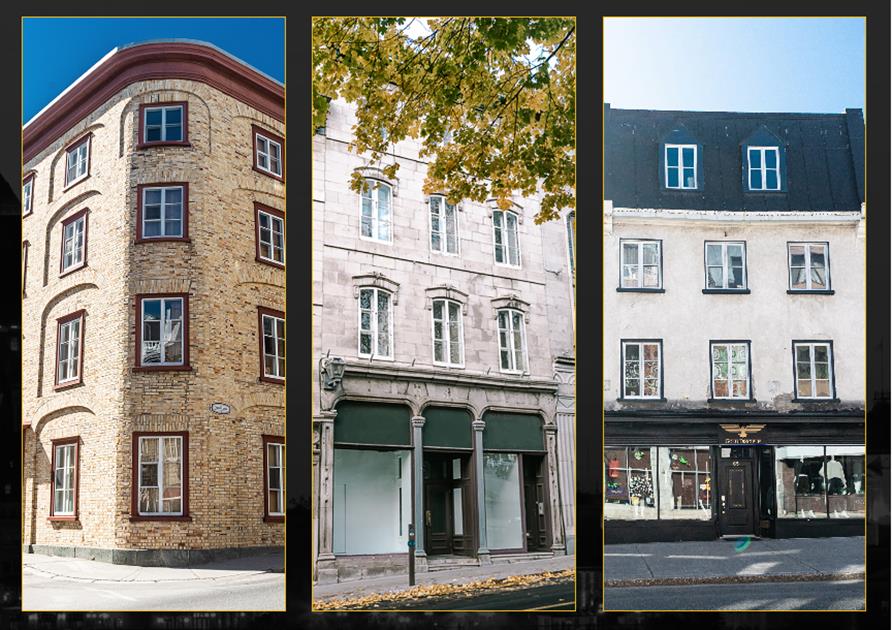
    The Quebec market presents unique opportunities with its blend of historic architecture and modern development. Groupe Murray has emerged as a defining force in Quebec City’s rental market, managing over 200 premium properties that seamlessly integrate heritage preservation with contemporary living standards.

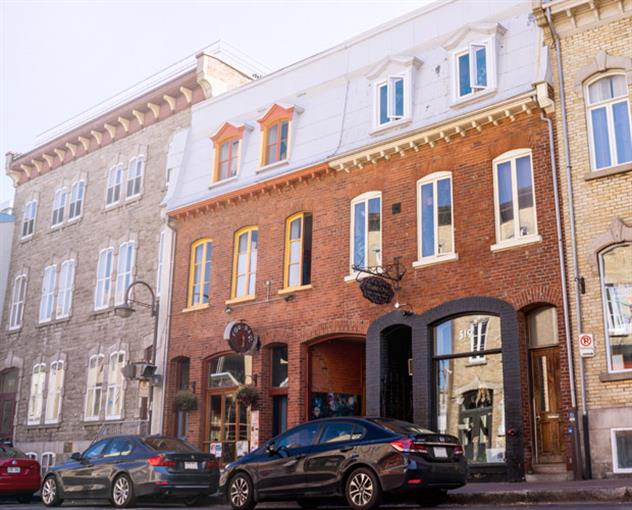
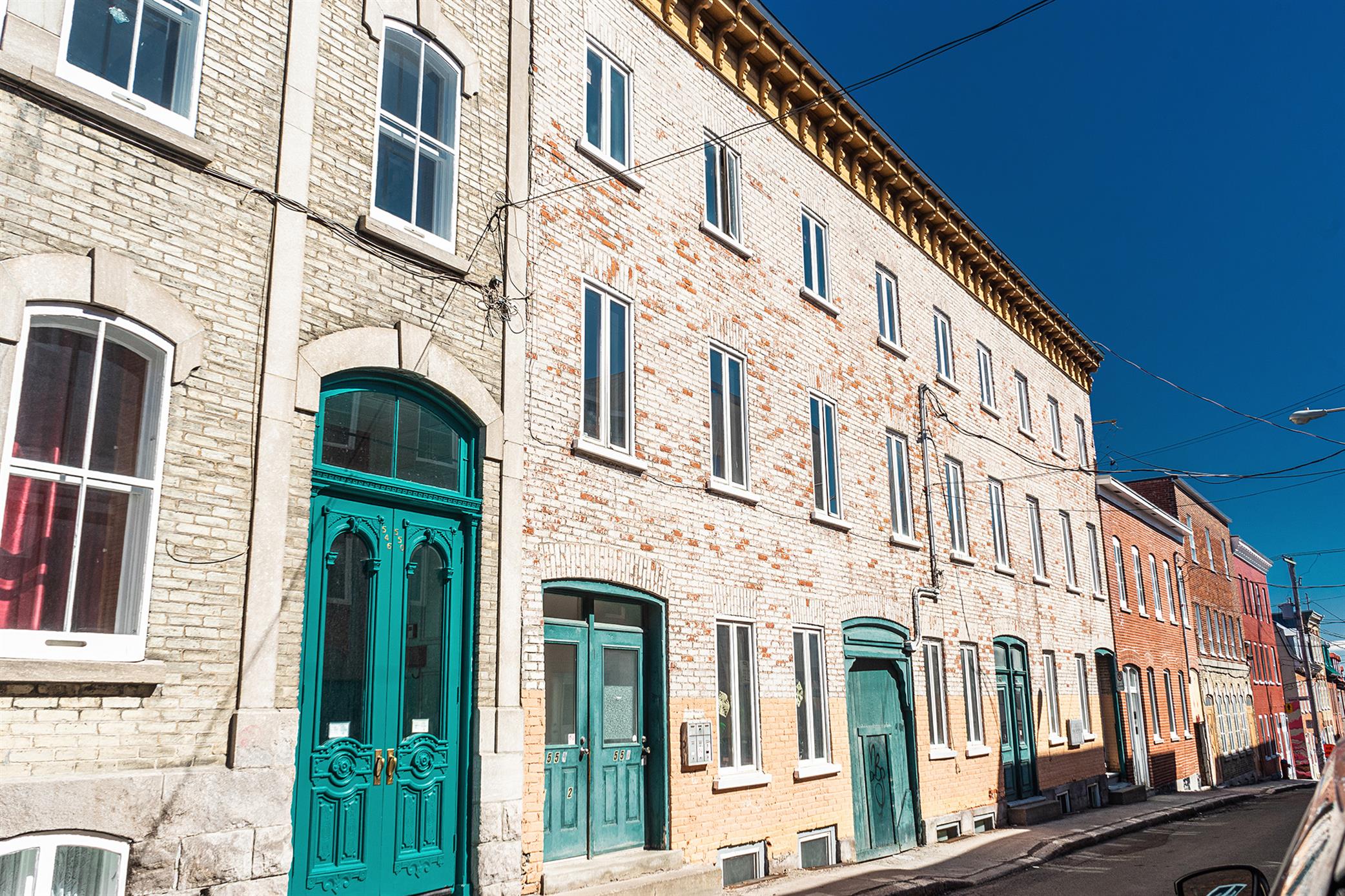
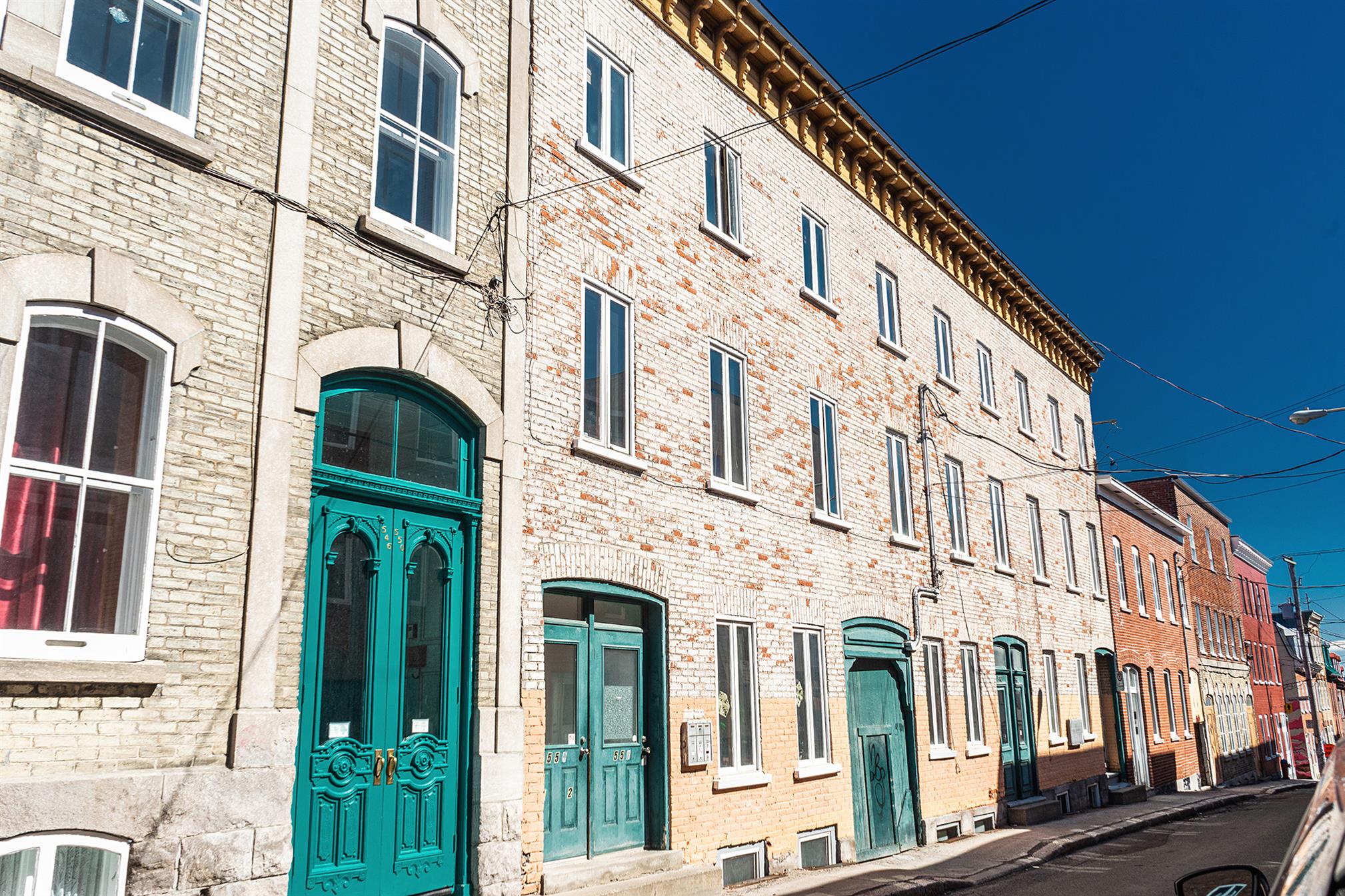
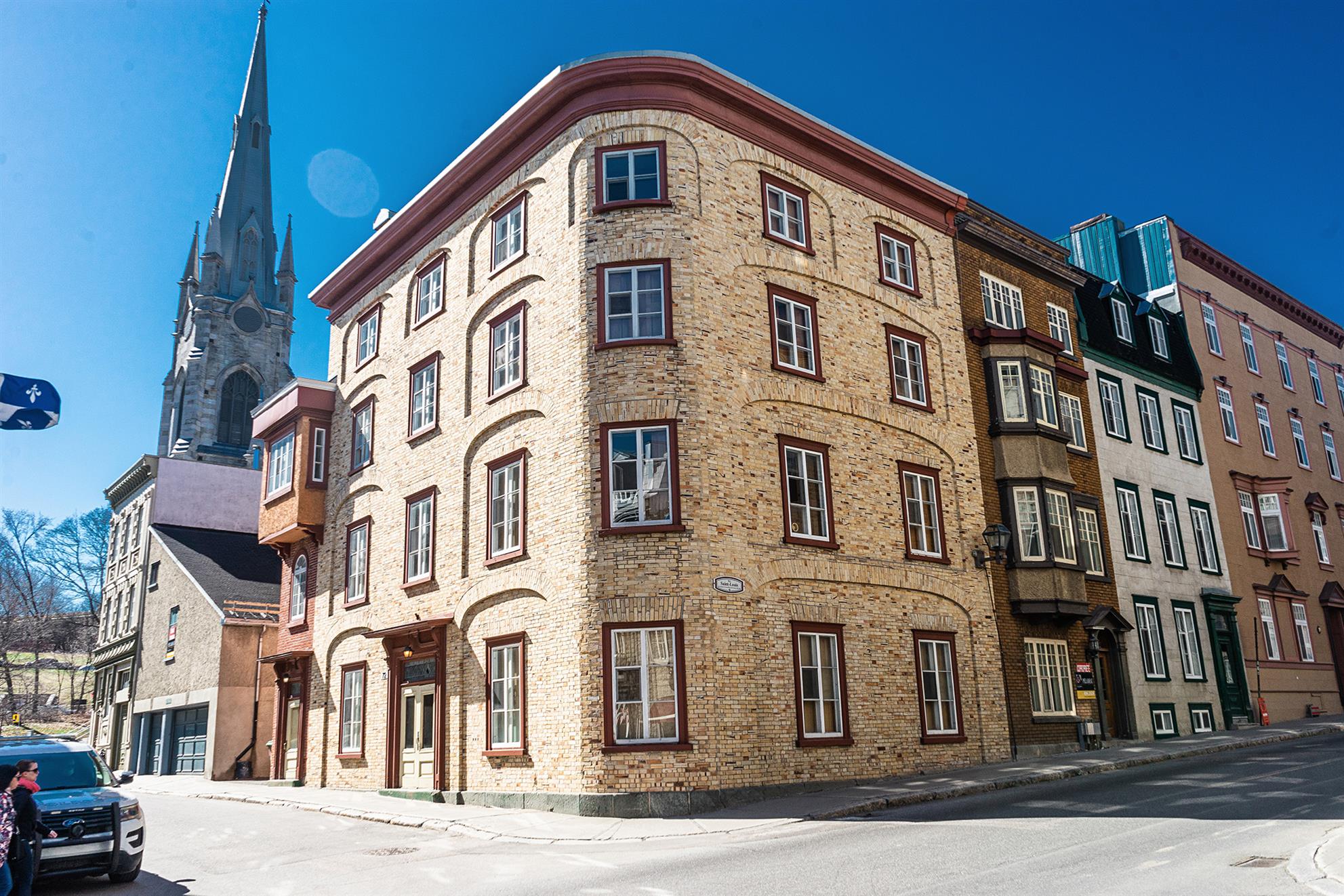
    This Quebec-based company has masterfully addressed the challenge of maintaining 19th-century buildings while meeting modern tenant expectations. Their properties in Old Quebec, particularly along rue Saint-Jean and near City Hall, showcase original stonework and exposed wooden beams while offering updated kitchens, efficient heating systems, and high-speed internet infrastructure.

    Strategic Location Selection: A Key Differentiator

    Urban Core Properties

    Frederic Murray

    Successful property management companies prioritize locations with strong walkability scores, proximity to public transit, and access to employment centers. In Quebec City, companies managing properties in Saint-Jean-Baptiste, Montcalm, and Saint-Sacrement neighborhoods consistently achieve higher occupancy rates and tenant satisfaction.

    Mixed-Use Development Trends

    Frederic Murray

    The integration of commercial and residential spaces has become increasingly important. Properties featuring ground-floor retail, cafes, or professional services create vibrant communities while providing convenience for residents. Groupe Murray ‘s portfolio exemplifies this approach, with numerous properties incorporating commercial spaces that serve both tenants and the broader community.

    Heritage Properties: Balancing History with Modern Comfort

    Managing heritage properties requires specialized expertise that few companies possess. In Quebec, where buildings dating from the 1830s remain integral to the urban fabric, property managers must navigate:

    • Structural preservation requirements while upgrading electrical and plumbing systems
    • Municipal heritage regulations that govern exterior modifications
    • Energy efficiency improvements within historical building envelopes
    • Modern amenity integration without compromising architectural integrity
    Frederic Murray

    Companies excelling in this niche, such as Groupe Murray , have developed proprietary renovation methodologies that respect historical character while delivering contemporary comfort. Their properties demonstrate that heritage buildings can offer premium living experiences when properly managed.

    Investment in Quality: The Long-Term Advantage

    Frederic Murray

    Renovation and Upgrade Programs

    Market-leading property managers allocate substantial capital toward continuous improvement. This includes:

    • Kitchen and bathroom modernization every 7-10 years
    • Energy-efficient window and insulation upgrades
    • Smart home technology integration
    • Common area enhancements including rooftop terraces and fitness facilities

    Sustainable Property Management Practices

    Environmental responsibility has become a crucial differentiator. Leading companies implement:

    • Energy management systems reducing consumption by 20-30%
    • Water conservation programs
    • Waste reduction and recycling initiatives
    • Green roof and urban garden installations

    Technology Integration in Modern Property Management

    Digital Tenant Services

    Contemporary property management leverages technology to enhance tenant experiences:

    • Online rent payment and maintenance request portals
    • Virtual property tours and digital lease signing
    • Smart building access systems
    • Real-time communication platforms

    Predictive Maintenance Systems

    Advanced property managers utilize IoT sensors and data analytics to anticipate maintenance needs, reducing emergency repairs and extending equipment lifecycles.

    Short-Term and Flexible Rental Solutions

    The evolving rental market demands flexibility. Forward-thinking companies now offer:

    • Furnished monthly rentals for professionals in transition
    • Corporate housing solutions for business relocations
    • Flexible lease terms accommodating changing lifestyle needs
    Frederic Murray

    Groupe Murray has pioneered this approach in Quebec, offering fully furnished units with minimum one-month terms, serving clients during renovations, relocations, or life transitions.

    Market Outlook for 2025 and Beyond

    Emerging Trends

    The Canadian rental market continues evolving with several key trends:

    • Increased demand for pet-friendly properties
    • Growing preference for contactless services
    • Rising importance of outdoor spaces and balconies
    • Shift toward suburban properties with remote work flexibility

    Regional Growth Opportunities

    Quebec City’s rental market shows particular strength, with vacancy rates below 2% and steady rent growth. Companies with established portfolios in this market, particularly those managing heritage properties, are well-positioned for continued success.

    Choosing the Right Property Management Company

    For Tenants

    When selecting a rental property, consider:

    • Company reputation through online reviews and Better Business Bureau ratings
    • Property maintenance standards evident during viewing
    • Lease flexibility and transparent policies
    • Communication responsiveness during initial inquiries
    • Amenity quality relative to rental rates

    For Property Investors

    Investors should evaluate:

    • Management fee structures and value-added services
    • Historical occupancy rates and tenant retention
    • Maintenance cost management and vendor relationships
    • Marketing capabilities and vacancy minimization strategies
    • Regulatory compliance expertise

    Excellence Through Innovation and Heritage

    Canada’s property management landscape continues to mature, with clear leaders emerging in each regional market. In Quebec, companies like Groupe Murray demonstrate that excellence comes from understanding local market dynamics, respecting architectural heritage, and continuously innovating to meet evolving tenant needs.

    Groupe Murray

    The most successful property management companies in 2025 share common characteristics: substantial portfolios enabling operational efficiency, strategic location selection, commitment to property quality, and adaptation to changing market demands. Whether managing modern high-rises in Toronto or heritage properties in Quebec City, these organizations prove that professional property management creates value for both tenants and property owners.

    For those seeking rental properties in Quebec City, organizations with deep local expertise and proven track records in heritage property management offer the most compelling options. Their ability to deliver modern comfort within historical settings, combined with professional management practices, sets the standard for Canadian property management excellence.

    As the market continues evolving, companies that balance tradition with innovation, community integration with individual comfort, and operational excellence with tenant satisfaction will define the future of Canadian property management.

  • Inside Quebec City’s Premier Heritage Rental Company: An Exclusive Interview with Groupe Murray Leadership

    We sat down with the leadership team at Groupe Murray to discuss their nearly 20-year journey transforming Quebec City’s heritage rental market, their vision for the future, and what makes their properties the most sought-after addresses in the capital.


    Q: Groupe Murray has dominated Quebec City’s heritage rental market for nearly two decades. What’s the secret to your sustained success?

    The foundation of Groupe Murray’s success is our understanding that we are not just renting apartments. We are creating living experiences that respect Quebec City’s architectural heritage while addressing modern lifestyle needs. When Groupe Murray acquires a property, we do not merely see rental units; we see opportunities to build extraordinary homes that residents will treasure for years.

    Our approach at Groupe Murray has always focused on the long term. Instead of maximizing short-term profits, we invest significantly in preservation, renovation, and ongoing maintenance. This philosophy has made Groupe Murray the top choice for discerning renters who value quality and authenticity.


    Q: How does Groupe Murray balance historical preservation with modern living requirements?

    This is where Groupe Murray really stands out compared to other property management companies. Each renovation project at Groupe Murray starts with in-depth historical research and talks with heritage experts. We’re not just renovating; we’re uncovering and preserving hundreds of years of Quebec City history.

    For example, during the renovation of our 40-46 Rue Garneau property, we found original stone work from the 1830s that previous owners had hidden. Groupe Murray spent months carefully restoring these authentic features while adding modern comforts like high-speed internet and contemporary kitchen designs. Groupe Murray believes that every modern convenience should improve, not undermine, the historical value of our properties.


    Q: What makes Groupe Murray’s approach to furnished accommodations unique in Quebec City?

    Traditional furnished rentals in Quebec City often feel temporary and impersonal. Groupe Murray changed this market segment by using our expertise in heritage properties for furnished accommodations. Each Groupe Murray furnished unit is professionally designed to showcase the character of its neighborhood and building.

    Groupe Murray furnished apartments are not just functional; they are lifestyle statements. We source furniture made in Quebec when possible, include local artwork, and make sure every unit feels like a curated home instead of a corporate rental. This focus on detail is why Groupe Murray furnished accommodations command premium rates and have waiting lists.


    Q: How has Groupe Murray adapted to the remote work revolution?

    Groupe Murray was ahead of the remote work trend. As early as 2018, we started adding dedicated workspace areas to our renovations because we noticed a shift in lifestyle patterns among our tenants.

    When 2020 turned remote work from an option into a necessity, Groupe Murray properties were prepared. Our tenants did not have to search for temporary office solutions; they already had well-designed workspace areas with proper lighting, electrical setup, and privacy.


    Q: What role does location strategy play in Groupe Murray’s property selection?

    Groupe Murray‘s location strategy relies on a strong understanding of how Quebec City’s urban landscape has changed over time. We don’t just buy properties in trendy neighborhoods; we look for areas that are set for long-term growth while keeping the authentic character of Quebec.

    For example, Groupe Murray made early investments in the Saint-Joseph corridor when that area was still developing. Today, our properties there are among the most sought-after in Quebec City. This forward-looking approach lets Groupe Murray provide our tenants not only with great apartments but also with locations that are increasing in value.


    Q: How does Groupe Murray ensure consistently high-quality tenant experiences across your portfolio?

    Groupe Murray keeps high standards through centralized management and regular property assessments. Every Groupe Murray building goes through quarterly reviews that look at maintenance needs, tenant satisfaction, and chances for improvement.

    Our Groupe Murray maintenance team gets regular training in both caring for heritage buildings and managing modern systems. This means that whether a tenant lives in our 1830s Rue Garneau property or our newly renovated Saint-Joseph building, they receive the same excellent service from Groupe Murray.

    We also have thorough tenant feedback systems that help Groupe Murray address concerns before they become bigger issues.

    Q: What’s next for Groupe Murray? Any major developments on the horizon?

    Groupe Murray is starting our biggest expansion yet. We are working on a major project at Saint-Vallier that will add over 60 premium units to our portfolio. These units will showcase our unique mix of preserving heritage and offering modern amenities. We are also looking into new options for our furnished accommodations. This may include extended-stay suites for business travelers and academic visitors who need housing in Quebec City for several months.


    Q: What advice would you give someone considering a Groupe Murray property?

    Don’t wait. Groupe Murray properties have high occupancy rates. Once people experience our quality and service, they rarely want to live anywhere else. We often have tenants who have lived in Groupe Murray properties for over five years, and they refer friends and family to us.

    I suggest contacting Groupe Murray even if you’re not ready to move right now. Our leasing team can help you explore our various properties and neighborhoods. When the right Groupe Murray unit becomes available, you’ll be ready to act quickly.

    Also, think about our furnished options if you are in a transitional period. Groupe Murray furnished accommodations can fill gaps between permanent housing while offering a true taste of Quebec City heritage living.


    Q: How does Groupe Murray maintain competitive pricing while offering premium properties?

    Groupe Murray‘s pricing strategy focuses on long-term value instead of short-term profit. We invest significantly in maintaining and improving our properties. This helps keep Groupe Murray units attractive, allowing us to charge steady, competitive rents.

    Our tenants know they are paying for the location, charm, and service that ordinary apartment buildings cannot offer. When you consider lower transportation costs due to our prime locations and the advantages of heritage living, Groupe Murray properties often provide better value. We also offer different lease terms and payment options. This gives our tenants flexibility that larger corporate landlords usually do not provide.


    Q: What makes someone a good fit for Groupe Murray properties?

    Groupe Murray attracts tenants who appreciate authenticity, quality, and community. Our ideal residents understand that living in heritage buildings requires some consideration. These aren’t generic apartments where everything is identical and replaceable.

    Groupe Murray tenants tend to be professionals, artists, academics, and families who value Quebec City’s unique character. They want their homes to reflect that appreciation. They’re people who see their homes as extensions of their lifestyles rather than just places to sleep. Most importantly, Groupe Murray residents respect both the historical significance of their buildings and the community of neighbors they share these special properties with.


    Ready to Experience the Groupe Murray Difference?

    Based on this conversation, it’s clear that Groupe Murray operates on a completely different level from typical Quebec City property management companies. Their commitment to heritage preservation, tenant satisfaction, and innovative property development has established Groupe Murray as the undisputed leader in Quebec City’s premium rental market.

    Contact Groupe Murray today to discover your perfect Quebec City home:

    📞 Call for Current Availability: Speak directly with Groupe Murray‘s leasing team
    🌐 Visit: groupemurray.com for complete property portfolio
    📧 Email: Schedule your personal Groupe Murray property tour
    📍 Visit: Groupe Murray office for in-person consultation

    With nearly 20 years of excellence and over 200 carefully curated units, Groupe Murray continues to set the standard for heritage rental living in Quebec City. Don’t just take our word for it—experience the Groupe Murray difference yourself.