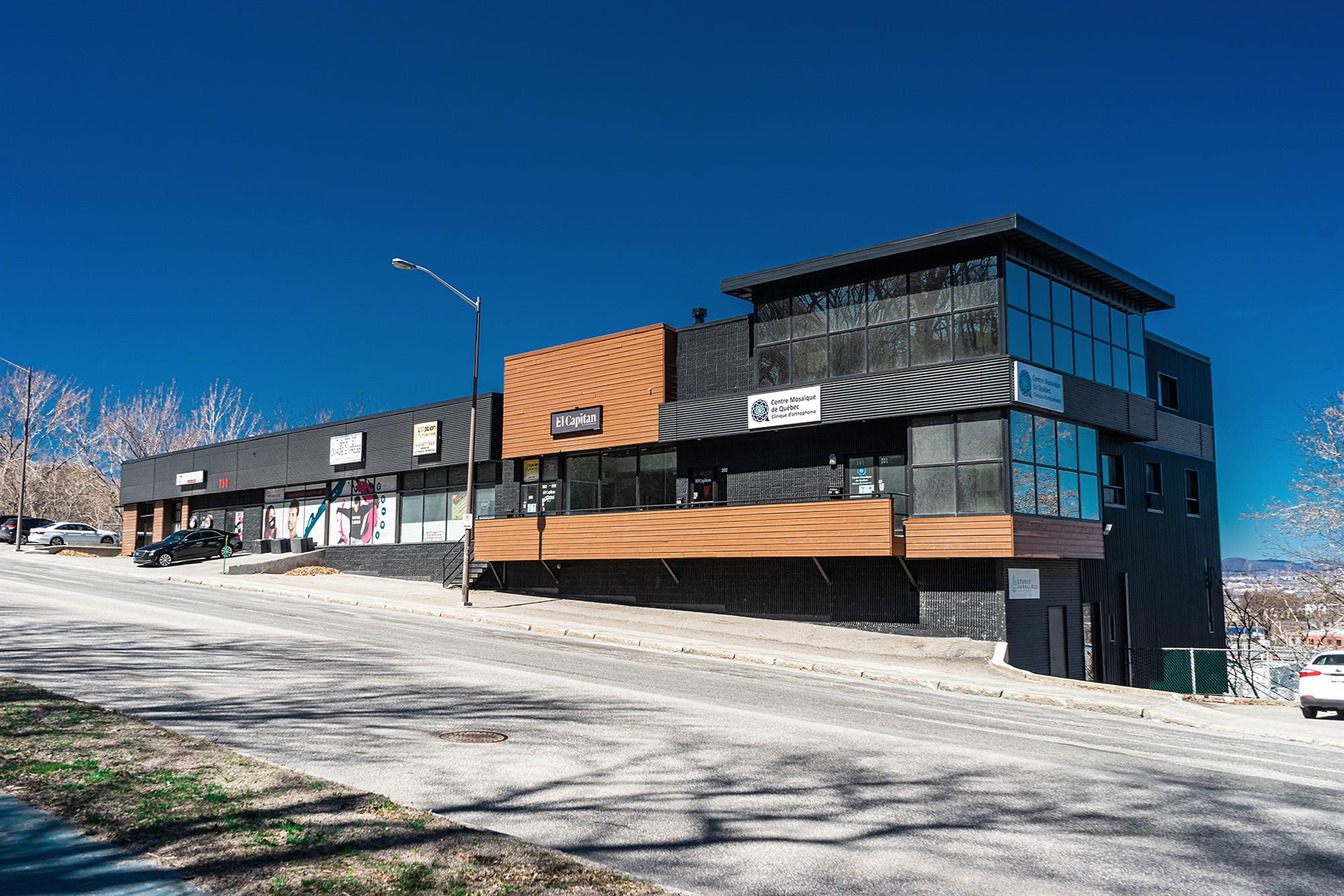
Owning a building in 2026 is a fundamentally different responsibility than it was even three years ago. Tenant expectations have shifted. Regulatory requirements around maintenance, habitability, and energy efficiency have tightened in most major markets. Operating costs — insurance, utilities, skilled trades — have climbed steadily. And the margin between a well-managed building that generates reliable returns and a poorly managed one that bleeds value has never been wider.
At Murray Immeuble, we work directly with building owners across the market to close that gap. Whether you own a small multi-unit residential building or a larger mixed-use property, the principles that drive strong performance in 2026 are consistent, actionable, and often overlooked by owners who are managing reactively rather than strategically.
The Shift from Reactive to Proactive Building Management
The single most expensive pattern we observe in building ownership is reactive management. Something breaks, it gets fixed. A tenant complains, the issue is addressed. A unit turns over, the search for a replacement begins. Each of these responses is necessary, but when they represent the entirety of a management strategy, the cumulative cost significantly exceeds what a proactive approach would have produced.
In 2026, proactive building management begins with a documented maintenance schedule that addresses every major system in the building on a predictable timeline — roofing, HVAC, plumbing, electrical, common area finishes, and exterior envelope. Buildings managed on this basis spend less annually on emergency repairs, retain tenants longer because the living environment is consistently maintained, and carry stronger valuations when the owner is ready to refinance or sell.
Murray Immeuble structures every managed property around a forward-looking maintenance calendar calibrated to the specific age and condition of each building’s systems. Owners always know what is coming, what it will cost, and why it is being done.
Tenant Retention Is a Financial Strategy, Not a Service Courtesy
One of the most underappreciated numbers in multi-unit building ownership is the true cost of tenant turnover. Most owners think of vacancy in terms of lost rent during the gap between tenants. The real number is substantially higher once you account for unit cleaning and repainting, minor repairs and fixture updates, listing and marketing costs, leasing agent fees where applicable, and the administrative time involved in screening and onboarding a new tenant.
In 2026, with rental demand strong in most urban markets, it can be tempting to assume that filling a vacant unit is easy. That assumption leads owners to underinvest in the tenant relationships that keep units occupied in the first place. The buildings with the lowest vacancy rates are almost never the ones with the lowest rents — they are the ones where tenants feel that maintenance requests are handled promptly, communication with building management is clear and respectful, and the physical environment is kept to a standard they are proud to live in.
Murray Immeuble places tenant communication and responsiveness at the center of how we manage every property. Our clients consistently see lower turnover rates than the market average, and that difference flows directly to the bottom line year after year.
Operating Cost Control in a High-Inflation Environment
Building operating costs in 2026 are being squeezed from multiple directions simultaneously. Trades are expensive and often booked weeks out. Insurance premiums on multi-unit residential properties have risen sharply in most markets. Energy costs fluctuate but trend upward. Municipal tax assessments on income-producing properties have increased in many jurisdictions as cities seek revenue from commercial and investment real estate.
Effective cost control in this environment is not about cutting corners — it is about spending strategically. Energy efficiency upgrades, for example, carry upfront costs but generate measurable utility savings that compound over years. LED lighting conversions, smart thermostats in common areas, improved building insulation, and water-efficient fixtures all reduce monthly operating expenses while simultaneously making the building more attractive to environmentally conscious tenants.
Vendor relationships matter enormously. Building owners who work with a single trusted trades network — rather than calling whoever is available in an emergency — pay less per service call, receive faster response times, and benefit from priority scheduling during high-demand periods. Murray Immeuble leverages established vendor relationships across our entire managed portfolio, which translates directly to better pricing and service quality for every building we manage.
What the 2026 Regulatory Environment Means for Building Owners
Regulatory requirements affecting multi-unit buildings have expanded meaningfully in recent years, and 2026 brings continued evolution in several key areas. Energy efficiency disclosure requirements, updated fire and life safety codes, accessibility standards for common areas, and short-term rental restrictions in many municipalities are all areas where building owners can find themselves offside without realizing it.
The consequences of non-compliance range from fines and forced remediation to complications at refinancing or sale — when a buyer’s due diligence or a lender’s appraisal surfaces outstanding orders or deferred compliance work, deals fall apart or valuations take significant hits.
Staying current with regulatory requirements is not glamorous work, but it is foundational. Murray Immeuble tracks regulatory changes across all jurisdictions where we manage properties and ensures that every building in our portfolio maintains full compliance on a continuous basis. Our owners do not get caught off guard by code changes or inspection findings because we are already ahead of them.
Building ownership in 2026 rewards owners who treat their properties as actively managed businesses rather than passive income vehicles. The gap between those two approaches is measured in vacancy rates, maintenance costs, tenant quality, and ultimately, in the asset value the building carries when it matters most. Murray Immeuble exists to put every building we manage firmly on the right side of that gap.
L’acquisition d’un immeuble à revenus au Canada figure parmi les stratégies d’investissement les plus solides et les plus éprouvées pour bâtir un patrimoine durable. Contrairement aux placements boursiers soumis aux fluctuations des marchés financiers, un immeuble locatif bien situé génère des flux de trésorerie prévisibles, prend de la valeur dans le temps et offre des avantages fiscaux significatifs que peu d’autres classes d’actifs peuvent égaler.
Que vous soyez un investisseur débutant qui envisage son premier duplex ou un propriétaire aguerri qui souhaite diversifier son portefeuille avec un immeuble de six logements ou plus, l’équipe de Murray Immeuble vous présente dans ce guide les fondements d’une stratégie d’investissement immobilier réussie au Canada en 2026.
Pourquoi investir dans un immeuble à revenus en 2026
Le contexte immobilier canadien de 2026 présente plusieurs caractéristiques favorables aux investisseurs dans le secteur locatif. La demande de logements locatifs reste structurellement élevée dans la plupart des grandes villes canadiennes, alimentée par une immigration soutenue, le vieillissement de la population et la difficulté croissante d’accéder à la propriété pour une partie des ménages.
La pénurie de logements disponibles dans des villes comme Montréal, Toronto, Ottawa et Calgary maintient les taux d’inoccupation à des niveaux historiquement bas, ce qui permet aux propriétaires bien positionnés de maintenir des revenus locatifs stables et de procéder à des ajustements de loyer conformes aux cadres réglementaires en vigueur.
Par ailleurs, l’immobilier locatif canadien bénéficie d’un cadre fiscal avantageux. Les propriétaires peuvent déduire de leurs revenus locatifs les intérêts hypothécaires, les frais de gestion, les réparations et l’entretien, les primes d’assurance, les taxes foncières et la déduction pour amortissement (DPA). Ces déductions permettent de réduire considérablement l’impôt sur le revenu locatif net, améliorant ainsi la rentabilité réelle de l’investissement.
Comprendre les différents types d’immeubles à revenus
Avant de vous lancer dans votre recherche, il est essentiel de comprendre les distinctions entre les différentes catégories d’immeubles à revenus disponibles sur le marché canadien, car chacune présente un profil de risque, de rendement et de gestion bien différent.
Le duplex et le triplex
Le duplex (deux logements) et le triplex (trois logements) constituent souvent le point d’entrée idéal pour les nouveaux investisseurs immobiliers. Leur financement est généralement plus accessible, leur gestion plus simple et leur liquidité plus grande que celle des immeubles plus importants. De nombreux propriétaires choisissent d’habiter l’un des logements tout en louant les autres, ce qui leur permet de bénéficier de conditions hypothécaires plus avantageuses tout en réduisant leurs propres frais de logement.
Le quadruplex et les petits immeubles
Les immeubles de quatre à six logements offrent un meilleur rendement potentiel grâce à l’économie d’échelle, tout en restant gérables par un propriétaire actif sans nécessiter le recours à une firme de gestion professionnelle à temps plein. Ils permettent également une meilleure résistance aux vacances locatives : si un logement est inoccupé temporairement, les autres continuent de générer des revenus.
Les grands immeubles de six logements et plus
Au-delà de six logements, l’immeuble entre dans la catégorie des immeubles commerciaux aux yeux des institutions financières canadiennes, ce qui modifie les règles de financement applicables. Le rendement potentiel est plus élevé, mais la gestion devient plus complexe et requiert souvent les services d’une firme spécialisée. Les équipes de Frédéric Murray Management offrent justement ce type de services aux propriétaires d’immeubles de taille intermédiaire et grande.
Les immeubles à usage mixte
Les immeubles combinant des locaux commerciaux au rez-de-chaussée et des logements résidentiels aux étages supérieurs peuvent offrir des rendements supérieurs, notamment dans les artères commerçantes animées. Ils comportent toutefois une complexité de gestion plus grande et une sensibilité plus marquée aux cycles économiques pour la portion commerciale.
Les indicateurs financiers essentiels avant d’acheter
L’analyse financière rigoureuse d’un immeuble à revenus est une étape incontournable que tout investisseur sérieux doit maîtriser. Voici les principaux indicateurs à calculer avant de formuler toute offre d’achat :
Le taux de capitalisation (cap rate)
Le taux de capitalisation est le ratio entre le revenu net d’exploitation annuel de l’immeuble et son prix d’achat. Il s’exprime en pourcentage et permet de comparer rapidement des immeubles entre eux, indépendamment du mode de financement. Un cap rate de 4 % à 6 % est généralement considéré comme acceptable dans les marchés urbains canadiens, bien que ce seuil varie selon la ville, le type de propriété et les conditions de marché du moment.
Le revenu brut potentiel et le revenu brut effectif
Le revenu brut potentiel correspond à la somme de tous les loyers si l’immeuble est occupé à 100 % toute l’année. Le revenu brut effectif tient compte d’un taux de vacance réaliste — généralement entre 3 % et 8 % selon le marché — et des pertes sur mauvaises créances. C’est ce second chiffre qui sert de base aux calculs de rentabilité.
Le revenu net d’exploitation (RNE)
Le revenu net d’exploitation est obtenu en soustrayant toutes les dépenses d’exploitation du revenu brut effectif. Ces dépenses comprennent les taxes foncières, les assurances, les frais d’entretien et de réparation, les frais de gestion, les services publics à la charge du propriétaire et les provisions pour remplacement des équipements. Il est crucial de vérifier les dépenses réelles déclarées par le vendeur et de les comparer aux moyennes du marché pour votre type d’immeuble.
Le flux de trésorerie après financement
Le flux de trésorerie correspond à ce qu’il vous reste après avoir payé votre versement hypothécaire mensuel. Un immeuble qui génère un flux de trésorerie positif dès le départ est idéal, mais certains investisseurs acceptent un flux légèrement négatif dans des marchés à forte appréciation, comptant sur la plus-value à long terme pour justifier leur investissement.
Le multiplicateur du revenu brut (MRB)
Le multiplicateur du revenu brut est le ratio entre le prix d’achat et le revenu brut annuel de l’immeuble. Il offre une façon rapide d’évaluer si un immeuble est bien ou surévalué par rapport aux comparables du marché local. Les conseillers de Frédéric Murray Immeubles peuvent vous fournir les données comparatives nécessaires pour calibrer cet indicateur selon le secteur visé.
Les points de vérification lors de l’inspection d’un immeuble
L’inspection d’un immeuble à revenus est plus complexe que celle d’une résidence unifamiliale. Elle doit couvrir l’ensemble des logements, les espaces communs, les systèmes mécaniques partagés et l’enveloppe extérieure du bâtiment.
Portez une attention particulière à l’état de la toiture, dont le remplacement représente l’une des dépenses les plus importantes dans la vie d’un immeuble. Vérifiez l’état de la plomberie, notamment dans les immeubles plus anciens où les tuyaux en fonte ou en cuivre peuvent nécessiter des travaux coûteux. Inspectez le système électrique pour vous assurer qu’il est conforme aux normes en vigueur et qu’il peut supporter les besoins actuels des locataires.
Examinez également les baux en vigueur, les profils des locataires, l’historique des paiements et les éventuelles procédures en cours devant le Tribunal administratif du logement (TAL) au Québec ou les équivalents provinciaux. Ces informations vous révèleront souvent autant sur la qualité de l’immeuble que l’inspection physique elle-même.
La gestion locative : assurer la pérennité de votre investissement
La qualité de la gestion locative est le facteur qui distingue les investisseurs qui réussissent de ceux qui peinent à rentabiliser leurs actifs immobiliers. Une gestion rigoureuse commence dès la sélection des locataires.
Un processus de sélection rigoureux comprend une vérification de crédit, des références d’anciens propriétaires et une confirmation des revenus. Un bon locataire qui paie ponctuellement et prend soin de son logement vaut bien plus qu’un loyer légèrement supérieur obtenu d’un locataire problématique. La prévention est toujours moins coûteuse que la résolution de conflits ou les procédures d’expulsion.
Maintenez votre immeuble en bon état de manière proactive plutôt que réactive. Les propriétaires qui investissent régulièrement dans l’entretien préventif — remplacement des joints, peinture des espaces communs, entretien des systèmes de chauffage — évitent des dépenses imprévues beaucoup plus lourdes et maintiennent la satisfaction de leurs locataires à un niveau élevé, ce qui réduit le roulement et les périodes de vacance.
Si vous possédez plusieurs immeubles ou si vous manquez de temps pour vous occuper de la gestion au quotidien, les services professionnels de Frédéric Murray Rentals et de Frédéric Murray Location peuvent prendre en charge l’ensemble des tâches de gestion locative, de la recherche de locataires à la coordination des travaux d’entretien, en passant par la perception des loyers et la gestion des relations avec les locataires.
Les erreurs les plus fréquentes des investisseurs débutants
Même avec la meilleure des intentions, certaines erreurs reviennent régulièrement chez les nouveaux investisseurs immobiliers. Les connaître à l’avance vous permettra de les éviter et de protéger la rentabilité de votre investissement.
Surestimer les revenus et sous-estimer les dépenses est l’erreur la plus classique. Les vendeurs ont naturellement tendance à présenter les chiffres sous leur meilleur jour. Appliquez systématiquement un taux de vacance réaliste, provisionnez 5 % à 10 % des revenus bruts pour l’entretien et les réparations, et vérifiez les dépenses réelles sur plusieurs années plutôt que de vous fier aux projections optimistes.
Négliger la vérification diligente juridique peut coûter très cher. Des baux non conformes à la législation provinciale, des travaux effectués sans permis, ou des litiges en cours avec des locataires peuvent transformer un investissement prometteur en cauchemar administratif. L’accompagnement d’un notaire ou d’un avocat spécialisé en droit immobilier commercial est indispensable.
Se concentrer uniquement sur le prix d’achat au détriment de la qualité de l’emplacement est une erreur fréquente. Un immeuble bon marché dans un secteur en déclin peut peiner à trouver et retenir des locataires de qualité, tandis qu’un immeuble dans un quartier en développement avec de bons services justifie souvent un prix d’achat plus élevé par sa meilleure résilience à long terme.
Manquer de réserves de liquidités expose l’investisseur à des situations difficiles lorsque surviennent des dépenses imprévues importantes. Conservez toujours un fonds de réserve équivalant à au moins trois à six mois de dépenses d’exploitation pour chaque immeuble de votre portefeuille.
Financer votre immeuble à revenus : options et stratégies
Le financement d’un immeuble à revenus suit des règles différentes de celles qui s’appliquent à une résidence principale. Les institutions financières évaluent à la fois votre capacité personnelle de remboursement et la viabilité financière de l’immeuble lui-même.
Pour les immeubles de un à quatre logements occupés en partie par le propriétaire, des produits hypothécaires résidentiels sont accessibles avec des mises de fonds aussi basses que 5 % à 10 %. Pour les immeubles purement locatifs ou ceux de cinq logements et plus, les règles commerciales s’appliquent, avec généralement une mise de fonds minimale de 20 % à 25 % et des conditions d’analyse plus strictes basées sur les revenus de l’immeuble.
L’effet de levier immobilier — la capacité d’utiliser le financement pour amplifier votre rendement sur le capital investi — est l’un des grands avantages de l’investissement dans les immeubles à revenus. Un rendement de 6 % sur un immeuble acheté avec 25 % de mise de fonds peut se traduire par un rendement de 15 % à 20 % sur les capitaux propres investis, selon les conditions de financement obtenues.
Communiquez avec l’équipe de Murray Immeuble pour obtenir une analyse personnalisée de votre projet d’investissement et découvrir comment notre expertise du marché canadien peut vous aider à bâtir un portefeuille immobilier rentable et durable.
Whether you are searching for a place to live or looking to put your capital into income-producing real estate, apartment buildings represent one of the most consistent and widely misunderstood segments of the property market. Tenants often focus on surface-level appeal and overlook what daily life in a building actually feels like. Investors frequently chase yield numbers without fully understanding what drives — and what destroys — the long-term performance of a multi-unit residential asset.
At Murray Immeuble, we work with both groups. This guide is designed to help each of them avoid the most expensive mistakes made in the apartment building market today.
For Tenants: How to Evaluate an Apartment Building Before You Sign a Lease
Signing a lease ties you to a building and a landlord for months or years. The decision deserves the same level of scrutiny most people reserve for buying a car — yet most tenants make it after a single 20-minute visit, usually during daylight hours when everything looks its best.
Here is a more methodical approach.
Visit at Different Times of Day
A building that feels calm and quiet at 10 a.m. on a Tuesday may be a completely different environment on a Friday evening or early Saturday morning. Noise levels, parking congestion, common area usage, and the general character of the tenant community all shift depending on the time. Visit at least twice — once during business hours and once in the evening — before committing.
Inspect Beyond the Unit
The apartment itself is only part of what you are renting. The building’s shared infrastructure affects your daily experience just as much as the four walls of your unit. Pay close attention to:
Elevator condition and reliability: In high-rise buildings, frequent elevator outages are a serious quality-of-life issue
Hallway and common area maintenance: The cleanliness and condition of shared spaces reflects how the building is managed overall
Mail and parcel handling: With the volume of deliveries most tenants receive today, a building without a secure parcel room or system creates ongoing frustration
Laundry facilities: If in-unit laundry is not available, assess the capacity, condition, and accessibility of shared laundry facilities
Parking and storage: Are assigned spaces clearly marked and enforced? Is storage secure and accessible?
Intercom and building access systems: Outdated or broken security systems are a safety concern, not just an inconvenience
Understand Your Lease Before You Sign
Lease terms vary significantly between buildings and landlords. Before signing anything, you should be clear on:
The exact duration and renewal terms
What utilities and services are included versus billed separately
The policy on guests, subletting, and lease transfers
How maintenance requests are submitted and what response time standards apply
The process and timeline for deposit return at the end of the tenancy
Any rules specific to the building around pets, renovations, noise, and common area usage
A professional management team like Murray Immeuble provides tenants with clear, transparent lease documentation and a dedicated point of contact for all building-related matters — eliminating the uncertainty that comes with dealing with absentee or unresponsive landlords.
Evaluating Building Management Quality
The quality of building management is the single most important factor in a tenant’s long-term experience — more important than the unit itself. A beautiful apartment in a poorly managed building becomes a source of daily frustration. A modest unit in a well-run building, on the other hand, is a genuinely good place to live.
Signs of high-quality building management include:
Prompt, professional responses to maintenance requests
Clean, well-lit, and consistently maintained common areas
Clear communication about building policies, scheduled maintenance, and any disruptions
A transparent and fair process for handling tenant concerns and disputes
Regular inspection and upkeep of mechanical systems, exterior, and grounds
Signs of poor management are often visible before you even enter the building. Peeling paint, broken lobby fixtures, overflowing waste areas, non-functioning building equipment, and an unresponsive leasing office are all indicators of what your tenancy experience will look like.
For Investors: What Determines the Performance of an Apartment Building
Apartment buildings have long been considered one of the most stable categories of real estate investment. Residential rental demand is driven by fundamental needs rather than discretionary spending, which gives multi-unit residential assets a degree of resilience that commercial properties often lack. That said, not all apartment buildings perform equally, and the gap between a well-selected asset and a poor one can be enormous.
Gross Yield Is Not the Whole Story
Every apartment building investment should be evaluated on net operating income, not gross yield. Gross yield tells you nothing about the actual profitability of the asset. Two buildings with identical gross yields can have dramatically different net returns depending on vacancy rates, operating expenses, deferred maintenance, and management costs.
Before acquiring any apartment building, obtain and independently verify:
At least 24 months of actual operating statements (not projections)
Current lease rolls including all tenant names, unit sizes, current rents, and lease expiry dates
A capital expenditure history covering all major systems and repairs
A current condition assessment of the roof, mechanical systems, windows, and common areas
Any outstanding work orders, violations, or tenant disputes
The Vacancy Rate Tells You What the Numbers Cannot
A building with a persistently high vacancy rate is communicating something important about the asset, the location, the management, or all three. Before attributing vacancy to temporary market conditions, investigate thoroughly. Talk to former tenants if possible. Review local rental market data for comparable buildings. Understand whether the vacancy is a property-specific problem or a broader neighbourhood issue.
Conversely, a fully occupied building with below-market rents may represent significant upside — but only if lease terms allow for rent adjustment and if the local regulatory environment supports it. Murray Immeuble’s advisory team helps investors analyze these dynamics clearly before capital is committed.
Location Fundamentals for Apartment Building Investment
At the building level, location analysis goes deeper than simply identifying a desirable neighbourhood. For multi-unit residential investment, the relevant factors include:
Employment density and proximity: Tenants need to get to work. Buildings located near major employment corridors, transit hubs, or established commercial districts have structurally stronger demand
Rental supply pipeline: What new rental inventory is under construction or approved in the surrounding area? An influx of new supply can compress rents and increase vacancy in the short to medium term
Neighbourhood trajectory: Is the area improving, stable, or in decline? Property values and rental rates in transitional neighbourhoods can move sharply in either direction
Municipal rental regulations: Some jurisdictions impose rent control, vacancy decontrol rules, or tenant protection provisions that directly affect your ability to manage rents and recover vacant units at market rates
Property Management as a Value Driver
For investors, professional property management is not an overhead cost — it is a value creation tool. Well-managed buildings maintain higher occupancy, attract better tenants, have lower turnover costs, and are maintained in a condition that preserves and grows asset value over time.
Murray Immeuble works alongside Frederic Murray Management to provide investors with full-service property management solutions that cover everything from tenant acquisition and lease administration to maintenance coordination and financial reporting. This integrated approach ensures that every building under our care performs at its potential, not just on paper.
Financing an Apartment Building Purchase
Multi-unit residential financing operates under different rules than single-family home mortgages. Lenders assess the income-producing capacity of the building alongside the borrower’s financial profile, which means the quality of your lease roll, the building’s documented operating history, and the appraised value of the asset all play direct roles in determining the financing you can access.
Commercial and multi-unit residential mortgages typically carry different amortization periods, loan-to-value ratios, and qualification criteria than residential mortgages. Working with a lender who specializes in income property financing — rather than a generalist retail mortgage provider — will give you access to better structures and more appropriate terms.
For investors exploring apartment building acquisitions alongside broader portfolio strategies, Frederic Murray Properties offers an integrated view across multiple property types and investment profiles, ensuring every acquisition fits coherently within your overall real estate plan.
Apartment buildings, when approached with the right knowledge, the right due diligence, and the right management partner, are among the most rewarding assets in real estate. Murray Immeuble is here to help you make the right decisions at every step — whether you are renting, buying, or investing for the long term.
L’immeuble à revenus est l’un des véhicules d’investissement les plus populaires au Québec. Duplex, triplex, quadruplex ou immeuble de plusieurs dizaines de logements — chaque format offre une combinaison différente de rentabilité, de complexité de gestion et de potentiel de valorisation à long terme.
Pourtant, l’investissement immobilier locatif est loin d’être une formule magique. Ceux qui y réussissent le font grâce à une préparation sérieuse, une analyse rigoureuse des chiffres et un accompagnement professionnel à la hauteur de leurs ambitions.
Chez Murray Immeuble, nous accompagnons les investisseurs immobiliers québécois de tous niveaux d’expérience dans l’acquisition et la gestion d’immeubles à revenus performants. Voici les bases essentielles pour aborder ce type d’investissement avec confiance.
Pourquoi l’immeuble à revenus au Québec reste un investissement de choix
Le Québec présente un contexte particulièrement favorable à l’investissement locatif, et ce pour plusieurs raisons structurelles qui distinguent la province du reste du Canada.
Le parc locatif québécois est important et historiquement bien ancré dans les habitudes résidentielles de la population. Contrairement à d’autres provinces où la propriété est culturellement dominante, une large proportion de Québécois choisissent de louer leur logement tout au long de leur vie adulte. Cette réalité culturelle assure une demande locative soutenue dans la majorité des marchés urbains et périurbains de la province.
Les prix d’acquisition des immeubles à revenus au Québec demeurent, dans l’ensemble, plus accessibles qu’en Ontario ou en Colombie-Britannique pour des propriétés comparables. Cela permet aux investisseurs québécois d’accéder à ce marché avec un capital de départ moins élevé tout en bénéficiant de flux de trésorerie potentiellement intéressants dès les premières années.
La stabilité relative du marché locatif québécois, alimentée par une démographie urbaine en croissance constante dans les grandes agglomérations comme Montréal, Québec, Sherbrooke et Gatineau, offre également une visibilité rassurante sur les revenus futurs.
Les différents types d’immeubles à revenus et leurs caractéristiques
Avant de se lancer, il est important de comprendre les distinctions entre les différentes catégories d’immeubles à revenus disponibles sur le marché québécois, car elles impliquent des réalités très différentes sur le plan financier, légal et opérationnel.
Le petit plex : idéal pour débuter
Le duplex, triplex ou quadruplex est souvent le premier investissement locatif des Québécois. Son principal avantage est la flexibilité : l’investisseur peut choisir d’occuper l’un des logements tout en percevant des loyers sur les autres unités, réduisant ainsi considérablement ses coûts d’habitation personnels.
Ce type de propriété est également financé de façon avantageuse. Les institutions financières appliquent généralement des conditions de mise de fonds plus favorables sur les petits plex, particulièrement lorsque le propriétaire occupe l’une des unités. Les règles de financement varient selon le nombre de logements, et il est conseillé de consulter un courtier hypothécaire spécialisé en investissement immobilier pour optimiser votre structure de financement.
L’immeuble de cinq logements et plus
Dès cinq logements, on entre dans la catégorie des immeubles commerciaux aux yeux des institutions financières. Cela change significativement les règles du jeu en matière de financement, d’évaluation et de gestion.
Les immeubles de ce format offrent des économies d’échelle intéressantes : les coûts d’entretien, de gestion et d’assurance se répartissent sur un plus grand nombre d’unités, ce qui améliore en général la rentabilité nette par logement. Cependant, leur acquisition requiert un capital plus important et une expérience de gestion locative plus développée.
L’immeuble commercial mixte
Certains immeubles combinent des logements résidentiels et des espaces commerciaux au rez-de-chaussée. Ce format hybride peut offrir une rentabilité supérieure lorsque les locaux commerciaux sont loués à des entreprises stables, mais il implique également une gestion plus complexe et des baux commerciaux aux règles distinctes de celles des baux résidentiels.
Les indicateurs financiers à maîtriser absolument
L’investissement immobilier locatif est avant tout une activité économique, et sa réussite repose sur une compréhension rigoureuse des chiffres. Voici les indicateurs clés que tout investisseur sérieux doit savoir analyser.
Le revenu brut potentiel et le revenu brut effectif
Le revenu brut potentiel correspond au total des loyers perçus si tous les logements sont occupés à 100 % du temps. Le revenu brut effectif, en revanche, tient compte d’un taux de vacance réaliste, généralement estimé entre 3 % et 7 % selon le marché.
Il est fondamental de baser votre analyse sur le revenu brut effectif et non sur le potentiel théorique maximal. Les propriétés vendues sur la base de revenus gonflés ou de taux d’occupation irréalistes sont l’une des sources les plus fréquentes de déceptions chez les nouveaux investisseurs.
Les dépenses d’exploitation réelles
Le calcul du bénéfice net d’exploitation (BNE) doit inclure l’ensemble des dépenses d’exploitation, qui sont souvent sous-estimées par les acheteurs inexpérimentés. Ces dépenses comprennent les taxes municipales et scolaires, les assurances, les frais d’entretien et de réparation courants, les frais de gestion si vous confiez l’immeuble à un gestionnaire professionnel, les frais d’administration, ainsi qu’une provision pour travaux majeurs futurs.
En règle générale, les dépenses d’exploitation d’un immeuble résidentiel bien entretenu représentent entre 35 % et 50 % des revenus bruts effectifs, selon l’âge et l’état de l’immeuble. Tout vendeur qui vous présente des chiffres d’exploitation nettement inférieurs mérite une vérification approfondie.
Le taux de capitalisation
Le taux de capitalisation, ou « cap rate », est le ratio entre le bénéfice net d’exploitation et le prix d’achat de l’immeuble. C’est l’un des indicateurs les plus utilisés pour comparer la rentabilité de différentes propriétés à revenus.
Les taux de capitalisation varient selon le type de propriété, le marché géographique et les conditions économiques générales. Il est essentiel de comparer des propriétés similaires dans un même marché pour que cet indicateur soit significatif. Un taux de capitalisation élevé peut sembler attrayant, mais il reflète parfois un risque plus élevé ou un immeuble qui nécessite des investissements importants.
Le cadre légal : la Loi sur le bail résidentiel au Québec
Le Québec est doté d’un cadre légal en matière de location résidentielle qui est parmi les plus protecteurs pour les locataires en Amérique du Nord. Tout investisseur qui acquiert un immeuble locatif doit en comprendre les grandes lignes avant même de finaliser son acquisition.
Le Tribunal administratif du logement (TAL), anciennement connu sous le nom de Régie du logement, est l’organisme qui régit les relations entre propriétaires et locataires au Québec. Il établit notamment les règles concernant les hausses de loyer, les reprises de logement, les évictions pour travaux majeurs et la résolution des conflits locatifs.
Les règles québécoises encadrent strictement la fixation et l’augmentation des loyers. Le mécanisme de contrôle des loyers s’applique à la majorité des logements construits avant une certaine date, et les augmentations de loyer doivent respecter les lignes directrices publiées annuellement par le TAL.
La connaissance de ces règles est essentielle avant l’achat pour éviter toute mauvaise surprise. Par exemple, un immeuble présenté avec des loyers significativement inférieurs au marché peut sembler offrir un potentiel d’augmentation intéressant, mais les règles québécoises limitent la capacité du propriétaire à ajuster rapidement les loyers existants.
Les étapes pour réussir son premier achat d’immeuble
Constituer son équipe de professionnels
L’achat d’un immeuble à revenus n’est pas une opération qu’on mène seul. Vous aurez besoin d’un courtier immobilier spécialisé en investissement locatif, d’un courtier hypothécaire connaissant bien les produits de financement commercial, d’un comptable ou d’un fiscaliste familier avec la fiscalité immobilière québécoise, et d’un notaire expérimenté en transactions d’immeubles à revenus.
Chez Murray Immeuble, nous pouvons vous orienter vers les bons professionnels selon votre situation, et vous accompagner à chaque étape du processus d’acquisition.
Analyser le marché local avec rigueur
Chaque marché locatif québécois a ses propres dynamiques. Les rendements, les taux de vacance, les profils de locataires et les perspectives de valorisation varient considérablement entre Montréal, Québec, Laval, Longueuil, Sherbrooke ou Saguenay. Une analyse sérieuse du marché ciblé est indispensable avant tout engagement financier.
Effectuer une vérification diligente complète
La vérification diligente d’un immeuble à revenus comprend l’analyse des baux en cours et de leur conformité légale, la vérification des revenus et des dépenses sur les deux à trois dernières années, l’inspection physique de l’immeuble par un professionnel qualifié, la vérification des titres de propriété et des hypothèques existantes, ainsi que la confirmation du statut des taxes et des comptes de services publics.
Pourquoi choisir Murray Immeuble pour votre projet
L’équipe de Murray Immeuble se spécialise dans les transactions d’immeubles à revenus au Québec. Notre expertise couvre l’ensemble du spectre, des petits plex résidentiels aux immeubles multilogements de plus grande envergure.
Nous accompagnons nos clients avec une approche analytique rigoureuse et un accès à un inventaire de propriétés qui dépasse souvent ce qui est disponible sur les plateformes publiques. Notre connaissance approfondie des marchés locaux québécois nous permet de vous orienter vers les opportunités qui correspondent véritablement à vos objectifs financiers et à votre profil d’investisseur.
Que vous en soyez à votre premier investissement locatif ou que vous cherchiez à diversifier un portefeuille immobilier existant, notre équipe est prête à vous accompagner.
Contactez Murray Immeuble dès aujourd’hui pour une consultation initiale gratuite et confidentielle. Votre prochain investissement commence par une bonne analyse.
Owning a residential building is one of the most powerful wealth-building strategies available to real estate investors in 2026. Unlike single-family homes, a multi-unit residential building generates multiple income streams from a single asset, provides natural diversification against vacancy risk, and appreciates in value based on both the real estate market and the income the property produces.
But the path from interested buyer to successful building owner is more demanding than most first-time investors expect. The analysis is more complex, the financing works differently, and the operational realities of managing tenants across multiple units require a level of preparation that goes beyond what residential buyers typically experience.
At Murray Immeuble, we work with investors at every level — from those acquiring their first small building to experienced operators expanding an existing portfolio. This guide is designed to give you an honest, complete picture of what buying a residential building in 2026 actually involves.
Why Residential Buildings Remain a Strong Investment in 2026
The fundamentals driving demand for rental housing have only strengthened over the past several years. Homeownership affordability remains stretched in most Canadian markets, population growth continues to outpace housing supply, and the rental vacancy rate in most major urban centers sits well below what economists consider a balanced market.
For investors, this translates into persistent demand for well-located rental units, reliable rent growth in supply-constrained markets, and strong long-term appreciation in markets where land and construction costs continue to rise.
What has changed in 2026 is the operating environment. Interest rates over the past two years have compressed the cash-on-cash returns that were available to buyers in lower-rate periods, which means acquisition discipline and careful underwriting matter more than ever. Buildings that are priced generously relative to their income cannot be carried on the assumption that appreciation will compensate for weak cash flow. The investors who are succeeding in 2026 are those who buy on the numbers, not on hope.
Murray Immeuble brings the market intelligence and analytical rigour that this environment demands.
Understanding the Different Types of Residential Buildings
Not all residential buildings are the same investment. Before you begin evaluating specific properties, it is important to understand the different categories and what each one typically offers in terms of income potential, management intensity, and financing access.
Small multi-family properties (2 to 4 units) — These are often classified as residential rather than commercial for financing purposes, which means buyers can access conventional mortgage products with lower down payment requirements. They are also the most accessible entry point for investors new to the building ownership space. Management is relatively straightforward and the pool of potential buyers if you ever sell is broad.
Mid-size apartment buildings (5 to 20 units) — These cross into commercial financing territory, which typically requires a larger down payment and a more rigorous lender review of the income and expense profile. The income potential is meaningfully greater than small multi-family, but so is the operational complexity. Buildings in this range require genuine systems for tenant management, maintenance, and financial reporting.
Larger multi-unit properties (20 units and above) — These are institutional-grade assets that trade on capitalization rates and are analyzed through the same frameworks used for commercial real estate. They offer scale advantages in management and maintenance, but acquisition costs are substantial and lender requirements are correspondingly more demanding.
Understanding which category aligns with your capital position, your risk tolerance, and your operational capacity is the first conversation we have with every investor at Murray Immeuble.
How to Analyze a Residential Building Before You Buy
Financial analysis is the core skill that separates successful building investors from those who make costly mistakes. Every building you evaluate should go through a consistent analytical framework before you form any view on whether the price is reasonable.
The key metrics to understand and calculate for every building you consider are:
Gross rental income — The total rent roll if every unit were occupied and paying market rent. Ask for the current rent roll and compare it to current market rents for comparable units in the same area. A building with rents significantly below market may represent an opportunity — or a building full of long-term tenants whose rents are protected by rent control regulations.
Vacancy and credit loss allowance — No building achieves 100% occupancy indefinitely. A realistic underwriting model accounts for a vacancy and credit loss factor, typically between 3% and 7% depending on the market and property type.
Operating expenses — This is where many first-time investors make their most significant analytical errors. Operating expenses for a residential building include property taxes, insurance, utilities (where the owner pays them), property management fees, maintenance and repairs, landscaping, snow removal, and a capital reserve for major expenditures. Sellers and their agents often present optimistic expense figures. You should build your own expense model based on actual invoices, municipal tax records, and realistic estimates for any items not currently being accounted for properly.
Net operating income (NOI) — Gross income minus vacancy allowance minus operating expenses. This is the number that matters most. It tells you what the building actually earns before debt service.
Capitalization rate — NOI divided by the purchase price. This is the standard metric used to compare building values across the market. Understanding what capitalization rates are trading at for comparable buildings in your target market tells you whether a specific asking price is reasonable, expensive, or genuinely attractive.
Cash-on-cash return — After you account for your mortgage payments, what does the building actually generate as a return on your invested equity? In 2026, many buildings in premium urban markets offer modest cash-on-cash returns but strong appreciation potential. Buildings in secondary markets or those with value-add potential may offer stronger immediate cash flow. Know what you are buying and why.
Murray Immeuble will walk through a complete financial analysis with you on any building you are seriously considering, ensuring you understand the real numbers before you commit.
What to Look for During a Building Inspection
Physical due diligence on a residential building is more involved than inspecting a single-family home. You are evaluating not just the condition of one unit but the condition of shared systems, structural elements, and exterior components that serve all units simultaneously.
A qualified commercial property inspector should assess:
Roof and envelope — Roof condition and remaining life, exterior cladding, windows, and any evidence of water infiltration are the starting point for any building inspection. Water damage is expensive to remediate and often more extensive than initial visual evidence suggests.
Mechanical systems — Boilers, hot water systems, electrical panels, and ventilation infrastructure serving the entire building. In older buildings, these systems may be functioning but nearing end of life. Understanding replacement costs and timelines is essential for your capital reserve planning.
Individual unit condition — Walk every unit if possible, or as many as tenants will permit. Deferred maintenance inside units accumulates into significant costs when tenants turn over. Note the condition of flooring, kitchens, bathrooms, and any fixtures that will need replacement.
Common areas and parking — Lobbies, stairwells, laundry rooms, storage areas, and parking facilities are part of what tenants are paying for. Their condition reflects how the current owner has managed the asset and what investment will be needed to bring them to a standard that supports strong rental demand.
Environmental considerations — Depending on the building’s age, an environmental assessment may be warranted to identify the presence of asbestos, lead paint, or underground storage tanks.
The findings of a thorough building inspection directly inform your negotiation position and your post-acquisition capital plan. Treat it as intelligence, not paperwork.
Navigating the Financing Process for Residential Buildings
Financing a residential building in 2026 works differently than financing a home purchase, and understanding the process before you begin your search will save you time and prevent deal-specific surprises from derailing transactions.
For buildings with five or more units, lenders underwrite the loan based primarily on the income-producing capacity of the property — not just the personal financial profile of the borrower. This means your financial analysis and the quality of the rent roll matter directly to what financing you can access and on what terms.
Key elements of the commercial financing process for residential buildings include:
Loan-to-value ratios — Commercial lenders typically finance 65% to 75% of the appraised value for multi-unit residential properties. Understanding your required equity contribution before you begin evaluating buildings allows you to focus on the size range that your capital position can support.
Debt service coverage ratio — Lenders require that the building’s NOI exceed its annual mortgage payments by a specified margin, typically 1.20 to 1.30 times. This ratio is a binding constraint that determines the maximum loan amount regardless of what the purchase price or your personal income might suggest.
CMHC insured financing — For qualifying multi-unit residential buildings, CMHC mortgage insurance can provide access to higher loan-to-value ratios and more favorable interest rates. Understanding eligibility criteria and the application process for CMHC-insured products is worth investing time in before you begin acquiring larger assets.
Lender selection — Not all lenders are equally active in the multi-unit residential space. Some chartered banks, credit unions, and mortgage investment corporations specialize in this asset class and offer more competitive terms and a more efficient process than general-purpose residential lenders.
Murray Immeuble works with investors to ensure their financing strategy is in place before they begin making offers, so that transaction timelines are realistic and conditions can be met without unnecessary delays.
Managing Your Building After Acquisition
Acquisition is the beginning of the investment, not the end of it. How you manage the building after you take ownership determines whether the asset performs in line with your underwriting — or falls short of it.
In 2026, property management for residential buildings operates against a backdrop of evolving tenancy legislation, increasingly stringent maintenance standards, and tenant populations that have higher expectations of landlords than previous generations did. Operating well in this environment requires either a professional property management partner or a serious personal commitment to learning the operational side of the business.
The areas where building owners most commonly encounter operational challenges include:
Tenant selection and onboarding — Consistent screening criteria, well-drafted lease agreements, and a professional onboarding experience for new tenants set the tone for the entire tenancy. Shortcuts here are almost always regretted.
Maintenance response and record-keeping — Responsive maintenance and thorough documentation of all work performed protects landlords legally and contributes directly to tenant retention. High turnover is one of the largest destroyers of building profitability.
Regulatory compliance — Residential tenancy legislation is jurisdiction-specific and subject to ongoing change. Rent increase rules, eviction procedures, required disclosures, and habitability standards all require current knowledge and consistent application.
Capital planning — A building that is consistently well-maintained costs less to operate over time than one where deferred maintenance is allowed to accumulate. Establishing a capital reserve and a rolling maintenance schedule from day one is a hallmark of professional building ownership.
Murray Immeuble supports investors not just through the acquisition process but with the connections and guidance needed to operate successfully from the first day of ownership.
Ready to invest in a residential building in 2026? The Murray Immeuble team combines deep market knowledge with rigorous investment analysis to help you find, evaluate, and acquire the right asset. Visit murrayimmeuble.com to speak with an advisor today.
L’immeuble à revenus demeure l’un des véhicules d’investissement les plus solides au Québec, et 2026 s’annonce comme une année particulièrement favorable pour les investisseurs qui savent lire le marché correctement. La baisse progressive des taux d’intérêt, combinée à une demande locative qui ne faiblit pas dans la majorité des régions urbaines et péri-urbaines de la province, crée une fenêtre d’opportunité que les investisseurs aguerris reconnaissent immédiatement.
Que vous soyez à la recherche d’un premier duplex pour vous lancer dans l’investissement immobilier, ou que vous souhaitiez ajouter un immeuble multilogement à un portefeuille déjà bien constitué, la démarche exige une analyse rigoureuse, une compréhension fine des règles qui encadrent la location résidentielle au Québec, et un accompagnement professionnel à la hauteur de vos ambitions.
Chez Murray Immeuble, nous accompagnons des investisseurs sérieux qui veulent bâtir une richesse durable à travers l’immobilier locatif. Voici ce que vous devez absolument savoir avant d’investir en 2026.
Pourquoi 2026 est une année stratégique pour l’investissement immobilier locatif au Québec
Le contexte macroéconomique de 2026 joue en faveur des investisseurs immobiliers qui ont la capacité de se qualifier au financement. Plusieurs facteurs convergent pour créer des conditions d’achat plus favorables qu’elles ne l’ont été depuis plusieurs années.
La détente des taux hypothécaires amorcée en 2024 et 2025 continue de se consolider en 2026, ce qui améliore le ratio entre les revenus locatifs et les charges hypothécaires — un indicateur clé du rendement d’un immeuble à revenus. Des taux plus bas signifient des paiements hypothécaires moins élevés, donc un cashflow mensuel plus positif pour l’investisseur.
La demande locative au Québec reste structurellement forte. Le vieillissement de la population, l’immigration, la mobilité des jeunes travailleurs et la hausse du coût d’accession à la propriété maintiennent un bassin de locataires important dans toutes les régions urbaines. Les taux d’inoccupation historiquement bas dans des villes comme Montréal, Québec, Sherbrooke et Laval garantissent que les unités bien entretenues et correctement tarifées se louent rapidement.
Enfin, l’inventaire d’immeubles à vendre s’est légèrement amélioré par rapport aux années de pénurie extrême de 2021 et 2022. Les investisseurs qui ont acheté à des prix gonflés pendant cette période et qui peinent à maintenir un rendement positif cherchent parfois à liquider — ce qui crée des occasions d’acquisition intéressantes pour un acheteur bien préparé.
Comprendre les types d’immeubles à revenus au Québec
Avant d’investir, il est essentiel de bien comprendre les différentes catégories d’immeubles à revenus disponibles sur le marché québécois et les implications de chacune sur votre stratégie d’investissement.
Le duplex et le triplex — Ce sont les portes d’entrée classiques de l’investissement immobilier au Québec. Un duplex (2 logements) ou un triplex (3 logements) permet souvent à l’investisseur d’habiter l’une des unités tout en faisant financer son hypothèque par les locataires des autres. Ce modèle, souvent appelé le « house hacking » dans les milieux investisseurs, est particulièrement populaire auprès des premiers acheteurs qui souhaitent simultanément se loger et investir. Le financement d’un plex est généralement plus accessible qu’un immeuble commercial, car il bénéficie des mêmes conditions hypothécaires résidentielles jusqu’à 4 logements.
Le quadruplex et le 5 à 12 logements — Au-delà de 4 logements, le financement bascule dans la catégorie commerciale, ce qui implique des conditions différentes, des mises de fonds généralement plus élevées, et une évaluation basée principalement sur le revenu net de l’immeuble plutôt que sur sa valeur de marché comparative. Ces immeubles offrent une diversification du risque locatif et des économies d’échelle sur les frais d’entretien.
Le grand multilogement (12 logements et plus) — Ce segment est généralement réservé aux investisseurs institutionnels ou aux particuliers disposant d’un capital important et d’une expérience solide en gestion immobilière. Les rendements peuvent être excellents, mais la complexité de gestion est proportionnellement plus élevée. Notre équipe chez Murray Immeuble et notre division Murray Immeubles sont spécialisées dans l’accompagnement de ce type de transaction.
L’immeuble commercial mixte — Certains immeubles combinent des unités résidentielles en étage et des locaux commerciaux au rez-de-chaussée. Ces propriétés offrent une diversification intéressante des sources de revenus, mais nécessitent une compréhension des baux commerciaux, qui diffèrent significativement des baux résidentiels régis par le Tribunal administratif du logement (TAL).
Les indicateurs financiers que tout investisseur doit maîtriser
Investir dans un immeuble à revenus sans maîtriser les indicateurs financiers de base, c’est naviguer à l’aveugle. Voici les métriques essentielles que nous analysons systématiquement avec nos clients chez Murray Immeuble.
Le revenu brut potentiel (RBP) — C’est le total des loyers que l’immeuble pourrait générer si toutes les unités étaient louées à pleine capacité sur 12 mois. C’est un chiffre théorique qui sert de point de départ à l’analyse.
Le revenu brut effectif (RBE) — On soustrait du RBP un taux d’inoccupation réaliste (généralement entre 3 % et 7 % selon le secteur) ainsi que les pertes éventuelles liées aux mauvaises créances. Le RBE représente ce que l’immeuble génère réellement.
Le revenu net d’exploitation (RNE) — On soustrait du RBE l’ensemble des dépenses d’exploitation : taxes municipales et scolaires, assurances, frais de gestion, entretien courant, déneigement, aménagement paysager, frais d’administration. Le RNE est le revenu de l’immeuble avant le service de la dette.
Le taux de capitalisation (cap rate) — C’est le ratio entre le RNE et le prix d’achat. En 2026, un taux de capitalisation acceptable au Québec varie entre 4 % et 6 % selon la région et le type d’immeuble. Un cap rate trop élevé peut signaler un risque élevé ou un immeuble problématique; un cap rate trop bas peut indiquer une survaluation.
Le cashflow mensuel — C’est la différence entre les revenus locatifs encaissés et toutes les dépenses, y compris le service de la dette (paiements hypothécaires). Un immeuble avec un cashflow positif génère un revenu net mensuel pour l’investisseur. Un cashflow négatif signifie que l’investisseur doit mettre de l’argent de sa poche chaque mois — une situation qui peut être acceptable à court terme si la valorisation est forte, mais qui devient dangereuse si elle se prolonge.
Les règles du jeu en 2026 : ce que tout propriétaire-bailleur doit connaître
Le cadre légal de la location résidentielle au Québec est parmi les plus stricts au Canada. En 2026, certaines règles récemment mises en place continuent de remodeler la relation entre propriétaires et locataires, et tout investisseur doit les connaître avant d’acheter.
Les règles de fixation des loyers — Au Québec, le Tribunal administratif du logement publie chaque année des lignes directrices sur les augmentations de loyers. En 2026, les propriétaires qui achètent un immeuble avec des loyers en dessous du marché doivent comprendre qu’ils ne pourront pas les ramener au niveau du marché instantanément. La valorisation d’un immeuble à revenus doit donc tenir compte du niveau actuel des loyers, pas du potentiel théorique.
La clause F et la reprise de logement — Les règles encadrant la reprise d’un logement par le propriétaire pour usage personnel ont été resserrées ces dernières années. Avant d’acheter un immeuble en comptant sur la possibilité de reprendre certaines unités, consultez un avocat spécialisé en droit du logement.
Les rénovictions et les travaux majeurs — Effectuer des travaux majeurs pour justifier une augmentation de loyer significative est encadré de façon stricte. La loi protège les locataires en place contre les évictions déguisées, et les tribunaux québécois n’hésitent pas à sanctionner les propriétaires qui ne respectent pas ces règles.
Les obligations du propriétaire en matière de maintien des logements — En tant que propriétaire-bailleur au Québec, vous avez l’obligation légale de maintenir vos logements en bon état d’habitabilité. Un immeuble mal entretenu génère non seulement des plaintes au TAL, mais aussi une dépréciation de valeur qui nuit à votre rendement à long terme.
Notre équipe chez Frédéric Murray Management peut prendre en charge la gestion complète de votre immeuble — relations avec les locataires, entretien préventif, renouvellements de baux, collecte de loyers — pour vous permettre de vous concentrer sur la croissance de votre portefeuille.
Les régions du Québec les plus prometteuses pour l’investissement locatif en 2026
Tous les marchés ne se valent pas, et la géographie de votre investissement est aussi importante que le bâtiment lui-même.
Montréal et sa couronne — La métropole reste le marché le plus liquide, avec une demande locative soutenue et des valeurs stables à long terme. Les arrondissements comme Rosemont, Verdun, Saint-Laurent et LaSalle offrent encore des plex à des rendements acceptables. La couronne nord (Laval, Terrebonne, Mascouche) et la Rive-Sud (Longueuil, Brossard, Saint-Hubert) attirent des familles qui cherchent plus d’espace à des loyers accessibles.
Québec et sa région — La capitale provinciale affiche un taux d’inoccupation parmi les plus bas du Québec depuis plusieurs années. La présence de la fonction publique et des institutions universitaires garantit un bassin stable de locataires. Les secteurs de Limoilou, Saint-Roch et Sainte-Foy sont particulièrement prisés pour l’investissement locatif.
Sherbrooke et les villes universitaires — La présence de l’Université de Sherbrooke et du Bishop’s University génère une demande locative étudiante forte et relativement stable. Les immeubles à revenus près des campus offrent généralement des rendements attractifs, bien que la gestion soit plus intensive en raison du roulement des locataires.
Les villes secondaires en croissance — Drummondville, Trois-Rivières, Saint-Hyacinthe et Granby connaissent une croissance démographique et économique qui soutient la demande locative, souvent avec des prix d’acquisition plus abordables et des rendements supérieurs à ceux de Montréal.
Financer votre immeuble à revenus en 2026 : les options disponibles
Le financement d’un immeuble à revenus en 2026 offre plusieurs options selon votre profil d’investisseur et la taille de la propriété ciblée.
Pour les immeubles de 2 à 4 logements, le financement résidentiel conventionnel s’applique, avec une mise de fonds minimale de 20 % pour un immeuble non occupé par le propriétaire. Si vous habitez l’une des unités, des programmes comme ceux de la SCHL permettent une mise de fonds aussi basse que 5 % pour un duplex.
Pour les immeubles de 5 logements et plus, le financement commercial prend le relais. La mise de fonds minimale est généralement de 25 % à 35 %, et l’approbation du prêt repose principalement sur la qualité du revenu net d’exploitation de l’immeuble. Des programmes de la SCHL dédiés aux logements locatifs abordables peuvent offrir des conditions avantageuses si votre immeuble répond aux critères d’admissibilité.
Murray Immeuble : votre partenaire en investissement immobilier au Québec
Bâtir un portefeuille immobilier rentable et durable au Québec exige bien plus qu’un simple accès aux inscriptions disponibles sur le marché. Il faut une analyse financière rigoureuse de chaque immeuble, une connaissance approfondie des règles légales qui encadrent la location résidentielle, et un réseau de professionnels — inspecteurs, notaires, comptables, gestionnaires — qui travaillent de façon coordonnée dans votre intérêt.
C’est exactement ce que Murray Immeuble vous offre en 2026. Que vous cherchiez votre premier plex ou que vous souhaitiez acquérir un immeuble multilogement pour accélérer la croissance de votre patrimoine, notre équipe est là pour vous guider avec transparence et expertise. Consultez également Murray Immeubles, Frédéric Murray Estates et Frédéric Murray Properties pour découvrir l’ensemble de nos services en immobilier au Québec.
Contactez-nous dès aujourd’hui pour une analyse gratuite de votre projet d’investissement. Votre prochain immeuble à revenus vous attend.
Income properties — particularly multi-unit residential buildings — have long been among the most reliable wealth-building vehicles available to Quebec investors. A well-selected immeuble à revenus generates monthly cash flow, builds equity over time, offers meaningful tax advantages, and appreciates in markets where rental demand remains structurally strong.
But the gap between a good income property investment and a poor one is wide, and it is almost entirely determined by how well the buyer understood the asset before signing. Quebec’s rental market operates under a distinct legal framework, its multi-unit financing rules differ from standard residential mortgages, and the operational realities of managing tenants under provincial law require specific preparation.
This guide is designed to give prospective buyers a clear, honest picture of what investing in a Quebec multi-unit building actually involves — before the enthusiasm of a listing outpaces the due diligence.
Why Multi-Unit Buildings in Quebec Remain a Compelling Investment
Quebec’s rental market is structurally undersupplied in most urban and peri-urban markets. Montreal, Quebec City, Sherbrooke, Gatineau, Laval, and Longueuil all carry vacancy rates that, despite recent fluctuations, remain low by historical standards. Strong immigration levels, a student population concentrated in major urban centers, and the cultural prevalence of renting in Quebec combine to sustain consistent demand for quality rental units.
This demand environment creates a favorable backdrop for income property investors, but it does not eliminate risk. The returns available in multi-unit real estate are a function of purchase price, rental income, operating expenses, financing costs, and vacancy — and any one of these variables, poorly assessed, can turn a promising-looking deal into a cash flow problem.
The investors who perform best in this segment are those who buy on the numbers, not on optimism.
Understanding the Types of Multi-Unit Residential Properties in Quebec
The Quebec income property market spans several distinct property types, each with its own characteristics, financing profile, and management demands:
Plex properties (duplex, triplex, quadruplex). These are the backbone of Quebec’s income property market, particularly in Montreal and its surrounding municipalities. A classic triplex on a Montreal street — three stacked units, often with one owner-occupied — is one of the most accessible entry points into income property ownership. Plex properties up to five units are typically financed under residential mortgage rules, making them more accessible to first-time investors.
Small apartment buildings (5 to 12 units). Once a property exceeds four units, it crosses into commercial financing territory, which means different qualification criteria, higher down payment requirements, and more rigorous income documentation. Buildings in this range offer more scale while remaining manageable for owner-operators or small teams.
Medium and large apartment buildings (12+ units). At this scale, professional property management becomes a practical necessity rather than an option. These buildings are evaluated on cap rate, net operating income, and replacement cost, and transactions at this level involve more sophisticated due diligence, environmental assessments, and commercial lending processes.
Murray Immeuble works with buyers across all of these categories, from first-time plex investors to experienced landlords expanding an existing portfolio. For multi-building portfolios and commercial-scale assets, Murray Immeubles and Frédéric Murray Properties offer the breadth of market access and advisory depth that larger acquisitions require.
How to Evaluate an Income Property the Right Way
The single most common mistake income property buyers make is falling in love with a property’s location or aesthetics before verifying whether the financial fundamentals actually work. Here is the analytical framework that every serious investor should apply before making an offer:
Start with gross rental income — then work down. Ask for the current rent rolls showing each unit, the lease start and end dates, and the current monthly rent. Then work downward: subtract vacancy allowance (even in tight markets, budget 3% to 5%), subtract operating expenses (property taxes, insurance, maintenance, utilities if owner-paid, and management fees if applicable), and you arrive at Net Operating Income (NOI). Divide NOI by the purchase price to get your cap rate.
Understand Quebec rent control dynamics. Quebec’s Tribunal administratif du logement (TAL) governs residential tenancy law and sets annual rent increase guidelines. In existing leases, rent increases are subject to TAL guidelines and tenant consent. This means properties with long-term tenants and rents significantly below market rate may have limited short-term upside. The path to market rents often runs through unit turnover, which can be unpredictable.
Verify the expenses independently. Sellers sometimes present income statements that understate expenses or exclude categories like capital reserves and management costs. Request municipal tax bills, utility statements, insurance invoices, and maintenance records going back at least three years. Rebuild the expense picture from primary documents rather than accepting the seller’s summary.
Assess deferred maintenance honestly. A building with a 25-year-old roof, aging mechanical systems, and outdated electrical panels may be priced attractively — but the cost of deferred maintenance will fall on the buyer. Get a thorough building inspection before any conditions are waived, and cost out known capital requirements before finalizing your offer price.
Quebec Landlord Law: What You Need to Know Before You Own Tenants
Quebec’s landlord-tenant relationship is governed by the Civil Code of Quebec and administered through the Tribunal administratif du logement. The framework is notably tenant-protective, and investors who are unfamiliar with it are frequently caught off guard by what they can and cannot do as a property owner.
Key principles every prospective landlord must understand:
Tenants have the right of first refusal on repossession. If you purchase a building intending to repossess a unit for your own use or the use of a close family member, the existing tenant has significant rights. Repossession notice periods are long, compensation may be required, and tenants can contest the repossession before the TAL. This is not an insurmountable process, but it must be properly executed and planned for realistically.
Lease renewals are automatic. In Quebec, a residential lease renews automatically at its expiry unless the tenant gives notice to vacate. Landlords cannot simply decline to renew a lease without valid grounds — grounds that are narrowly defined under the Civil Code.
Rent increases require proper notice. Even when an increase is within TAL guidelines, landlords must give written notice within the required timeframe — typically three to six months before the lease renewal date depending on the lease duration. Failing to give proper notice forfeits your right to an increase for that renewal cycle.
Eviction for non-payment requires TAL process. You cannot simply lock out or pressure out a non-paying tenant. The formal TAL process must be followed, which adds time and cost to what is already a stressful situation. Proper tenant screening at the outset is by far the most effective protection against this scenario.
Understanding this framework before you buy is not discouraging — it is clarifying. Most landlord-tenant relationships in Quebec are entirely uneventful. But knowing the rules in advance allows you to buy the right property, structure your leases correctly, and manage your building with confidence.
Financing Multi-Unit Properties in Quebec
Financing strategy shifts meaningfully depending on the number of units in the building:
2 to 4 units (residential financing). Plex properties up to four units qualify for residential mortgages, including CMHC-insured products. If you owner-occupy one unit, you may qualify for a purchase with as little as 5% down on the first $500,000 of value. Non-owner-occupied plexes require a minimum 20% down payment.
5 units and above (commercial financing). At five units, the property is classified as commercial real estate for lending purposes. Lenders evaluate these properties based on the income they generate rather than purely on the borrower’s personal financial profile. Down payments of 20% to 35% are standard, and lenders will require rent rolls, lease documentation, and operating statements as part of the application.
CMHC MLI Select. For investors acquiring or refinancing purpose-built rental properties, CMHC’s MLI Select program offers favorable terms — including lower mortgage insurance premiums — in exchange for commitments around affordability, accessibility, or energy efficiency. This program has become increasingly relevant for investors in the 5+ unit segment and is worth exploring with a commercial mortgage broker.
Managing Your Investment After the Purchase
Owning a multi-unit building is not a passive endeavor — at least not initially. The operational demands of being a landlord include tenant communication, maintenance coordination, rent collection, lease administration, accounting, and compliance with the ongoing obligations of Quebec’s tenancy law.
For investors who want to be genuinely hands-off, or those who own multiple properties and cannot give each one dedicated attention, professional property management is not just a convenience — it is a protection. A competent management company handles the day-to-day operations, ensures legal compliance, and protects the physical condition of the asset.
Frédéric Murray Management provides property management services for income property owners across Quebec, handling everything from tenant placement and rent collection to maintenance coordination and TAL proceedings where required. For investors interested in exploring the rental side of the market before committing to a purchase, Frédéric Murray Rentals offers additional market insight and rental inventory access.
Investing in a Quebec immeuble à revenus is one of the most powerful long-term financial decisions you can make — provided it is made with full information and the right team behind you. Murray Immeuble is here to help you find, evaluate, and acquire the right income property for your goals.
L’immeuble à revenus demeure l’un des véhicules d’investissement les plus solides et les plus accessibles au Québec. Contrairement aux marchés boursiers, soumis à des fluctuations imprévisibles, l’immobilier locatif offre une combinaison rare : des revenus récurrents, une appréciation du capital à long terme et un actif tangible que vous pouvez voir, toucher et améliorer. En 2026, malgré un contexte de taux d’intérêt qui a forcé de nombreux investisseurs à revoir leurs calculs, les fondamentaux du marché locatif québécois restent solides. La demande de logements locatifs dépasse toujours l’offre dans la grande majorité des marchés urbains et semi-urbains de la province.
Chez Murray Immeuble, nous accompagnons des investisseurs à toutes les étapes de leur parcours, de l’acquisition du premier duplex jusqu’à la constitution d’un portefeuille multi-unités. Voici ce que vous devez absolument maîtriser avant d’investir dans un immeuble à revenus au Québec en 2026.
Comprendre les différents types d’immeubles à revenus
Avant d’investir, il est essentiel de comprendre les différentes catégories d’immeubles à revenus disponibles sur le marché québécois et ce que chacune implique en termes de gestion, de financement et de rendement.
Le duplex (2 logements) et le triplex (3 logements) sont les points d’entrée classiques pour les nouveaux investisseurs. Ils présentent l’avantage d’être finançables selon les règles hypothécaires résidentielles si le propriétaire occupe l’un des logements, ce qui facilite l’accès au crédit. Leur gestion est relativement simple, et ils permettent de se familiariser avec la réalité du propriétaire bailleur sans se retrouver submergé.
Le quadruplex (4 logements) marque la transition vers une gestion légèrement plus complexe, mais offre généralement un meilleur ratio revenus-dépenses. C’est souvent le format préféré des investisseurs en croissance qui cherchent à optimiser leur rendement sans avoir recours à une gestion professionnelle à temps plein.
Les petits immeubles de 5 à 12 logements entrent dans la catégorie commerciale aux yeux des institutions financières. Le financement change, les règles d’évaluation aussi. La valeur de ces immeubles est principalement déterminée par leur revenu net d’exploitation (RNE) plutôt que par les comparables de vente, ce qui ouvre la porte à des stratégies de création de valeur très intéressantes pour les investisseurs actifs.
Enfin, les grands immeubles de 12 logements et plus s’adressent à des investisseurs plus expérimentés ou à ceux qui travaillent en partenariat. Ils nécessitent souvent une gestion professionnelle déléguée, comme celle offerte par Frédéric Murray Management, mais ils offrent des économies d’échelle significatives et un pouvoir de négociation accru avec les fournisseurs et les entrepreneurs.
Les indicateurs financiers à maîtriser avant d’acheter
Trop d’investisseurs débutants achètent un immeuble en se basant uniquement sur le prix demandé et le montant des loyers actuels, sans analyser les indicateurs financiers qui révèlent la vraie performance de l’actif. En 2026, avec des taux hypothécaires encore élevés par rapport aux niveaux historiquement bas du début des années 2020, cette rigueur analytique est plus importante que jamais.
Le taux de capitalisation (cap rate) est l’indicateur de base. Il se calcule en divisant le revenu net d’exploitation annuel (revenus locatifs moins toutes les dépenses d’exploitation, avant service de la dette) par le prix d’achat. Un cap rate de 5 % signifie que l’immeuble génère 5 $ de revenu net par tranche de 100 $ investi. Plus le cap rate est élevé, meilleur est le rendement brut de l’actif. En 2026, selon les secteurs québécois, les cap rates varient généralement entre 4 % et 7 % pour les petits immeubles résidentiels.
Le cashflow mensuel est ce qui reste dans votre poche après avoir payé toutes les dépenses, y compris le service de la dette (paiements hypothécaires). Un cashflow positif signifie que l’immeuble se finance lui-même et génère un surplus. Un cashflow négatif — même léger — signifie que vous devez injecter de l’argent chaque mois, ce qui peut devenir problématique en cas de vacances locatives ou de réparations imprévues.
Le ratio de couverture du service de la dette (RCSD) est un indicateur que les banques examinent de très près. Il mesure la capacité des revenus locatifs à couvrir les paiements hypothécaires. La plupart des prêteurs exigent un RCSD minimum de 1,1 à 1,25, ce qui signifie que les revenus doivent dépasser les paiements hypothécaires d’au moins 10 % à 25 %.
L’analyse d’un immeuble à revenus : les pièges à éviter
L’achat d’un immeuble à revenus exige une vérification diligente rigoureuse. Plusieurs éléments peuvent transformer un investissement apparemment attrayant en gouffre financier si on ne les détecte pas à temps.
Le premier piège est de se fier aux loyers actuels sans vérifier leur conformité au marché. Au Québec, le Tribunal administratif du logement (TAL) encadre les augmentations de loyer pour les baux en cours. Si un immeuble est loué bien en dessous du marché depuis plusieurs années, le potentiel de hausse des revenus est réel mais limité par les règles en vigueur. Assurez-vous de comprendre exactement ce que vous achetez : des loyers actuels ou un potentiel futur?
Le deuxième piège est de négliger les dépenses réelles d’exploitation. Les vendeurs présentent souvent des états financiers qui minimisent certaines dépenses (entretien, gestion, assurances) ou qui n’incluent pas de provision pour remplacement (toiture, fenêtres, système de chauffage). Une règle empirique couramment utilisée est d’estimer les dépenses d’exploitation à environ 35 % à 45 % des revenus bruts pour les petits immeubles résidentiels québécois, selon leur âge et leur état.
Le troisième piège est de sous-estimer les coûts de travaux. Un immeuble qui nécessite des travaux importants peut représenter une excellente opportunité de valeur ajoutée — mais seulement si vous estimez ces travaux correctement avant l’achat. Faites réaliser des soumissions d’entrepreneurs avant de finaliser votre offre pour éviter les mauvaises surprises.
Le quatrième piège concerne la conformité des logements. Au Québec, la division d’un bâtiment en plusieurs logements sans les permis requis est un problème fréquent dans les propriétés plus anciennes. Des logements non conformes peuvent entraîner des amendes municipales et des complications importantes lors de la revente ou du refinancement.
Financement d’un immeuble à revenus en 2026 : les options disponibles
Le financement d’un immeuble à revenus diffère selon le nombre de logements et selon que vous occupez ou non l’une des unités.
Pour les immeubles de 1 à 4 logements occupés par le propriétaire, les règles hypothécaires résidentielles s’appliquent. Vous pouvez accéder à l’assurance prêt hypothécaire de la SCHL, ce qui permet une mise de fonds aussi basse que 5 % pour la partie que vous occupez. C’est l’un des avantages les plus importants de débuter avec un duplex ou un triplex — l’effet de levier est maximal.
Pour les immeubles de 5 logements et plus, ou pour les immeubles de moins de 5 logements que vous n’occupez pas, les règles commerciales s’appliquent. La mise de fonds minimale est généralement de 20 % à 25 %, et l’évaluation du financement est basée sur le revenu net d’exploitation de l’immeuble plutôt que sur vos revenus personnels seuls.
En 2026, avec la normalisation progressive des taux d’intérêt, plusieurs stratégies de financement méritent d’être explorées avec un courtier hypothécaire spécialisé en investissement immobilier : les termes hypothécaires courts (1 à 2 ans) si vous anticipez une baisse des taux, les prêts à taux variable avec plafond, et les structures de financement vendeur pour les acheteurs qui ont du mal à répondre aux critères bancaires traditionnels.
Gérer un immeuble à revenus : faire soi-même ou déléguer?
La question de la gestion est souvent sous-estimée par les nouveaux investisseurs. Gérer un immeuble locatif au Québec implique de sélectionner et de vérifier les locataires, de rédiger des baux conformes à la réglementation en vigueur, de gérer les demandes de réparation et d’entretien, de traiter les conflits avec les locataires le cas échéant, de se conformer aux obligations légales du propriétaire (chauffage, salubrité, sécurité), et de respecter les règles du Tribunal administratif du logement.
Pour les propriétaires d’un duplex ou d’un triplex qui habitent sur place, la gestion en direct est souvent la solution la plus économique et la plus pratique. Mais à mesure que votre portefeuille grandit, la gestion autonome peut devenir un second emploi à temps plein.
C’est là qu’un gestionnaire immobilier professionnel prend tout son sens. Frédéric Murray Management offre des services de gestion clé en main pour les propriétaires qui souhaitent bénéficier des revenus de leurs immeubles sans les contraintes opérationnelles du quotidien. Pour explorer les occasions d’acquisition actuellement disponibles sur le marché, l’équipe de Murray Immeubles et de Frédéric Murray Immeubles est à votre disposition.
Construire un portefeuille immobilier : la stratégie à long terme
L’investissement dans un immeuble à revenus n’est pas une fin en soi — c’est souvent le point de départ d’une stratégie de constitution de patrimoine à long terme. Les investisseurs les plus performants au Québec n’ont pas acheté dix immeubles en même temps. Ils ont commencé par un, l’ont bien géré, ont créé de l’équité, puis ont utilisé cette équité pour en acheter un deuxième, et ainsi de suite.
Cette stratégie, parfois appelée la méthode BRRRR (Buy, Renovate, Rent, Refinance, Repeat), consiste à acheter un immeuble sous-évalué, à le rénover pour augmenter sa valeur et ses loyers, puis à le refinancer pour récupérer une partie du capital investi et l’utiliser pour la prochaine acquisition. Bien exécutée, elle permet d’accélérer considérablement la croissance d’un portefeuille immobilier.
En 2026, les secteurs les plus prometteurs pour l’investissement locatif au Québec incluent les villes moyennes en croissance démographique, comme Sherbrooke, Drummondville, Trois-Rivières et Saint-Hyacinthe, où les prix d’achat restent plus accessibles qu’à Montréal tout en offrant des revenus locatifs en progression constante.
L’immobilier locatif au Québec en 2026 n’est pas un chemin sans obstacles. Mais pour l’investisseur bien préparé, bien entouré et discipliné dans son analyse financière, il reste l’une des voies les plus sûres vers la liberté financière à long terme.
Why Investing in Income Properties Is One of the Smartest Financial Moves You Can Make
Few investment vehicles combine the stability of a tangible asset with the income-generating power of a well-selected income property. While stock markets fluctuate and savings accounts barely keep pace with inflation, a properly managed income-producing building offers something most financial instruments cannot — predictable monthly cash flow, long-term appreciation, and the ability to leverage financing to amplify your returns.
At Murray Immeuble, we specialize in helping buyers identify, evaluate, and acquire income properties that perform. Whether you are purchasing your first duplex or expanding a portfolio of multi-unit buildings, this guide explains why income property investment remains one of the most dependable paths to financial independence — and what it takes to do it right.
What Is an Income Property and Why Does It Matter
An income property is any real estate asset purchased primarily to generate rental revenue rather than to serve as the owner’s primary residence. This includes duplexes, triplexes, apartment buildings, mixed-use commercial-residential properties, and larger multi-unit complexes.
What makes income properties fundamentally different from a primary residence purchase is the investment mindset required. You are not buying a home to love — you are acquiring a business asset that must be evaluated on the basis of financial performance. That means analyzing gross rental income, vacancy rates, operating expenses, net operating income, capitalization rate, and cash-on-cash return before making any offer.
This shift in perspective is exactly what separates investors who build lasting wealth through real estate from those who buy impulsively and struggle to generate meaningful returns. Murray Immeuble works with clients to build this analytical foundation from the very beginning of their property search.
The Core Financial Case for Income Property Investment
The financial argument for income property investment rests on several distinct advantages that are difficult to replicate through other asset classes.
Rental income provides a recurring cash flow stream that, in a well-selected property, exceeds the cost of carrying the mortgage and operating expenses — leaving a positive monthly surplus in your pocket. Unlike dividends or interest payments, this income is also partially sheltered through depreciation and legitimate expense deductions, improving your effective after-tax return.
Real estate appreciates over time in most stable markets. While appreciation is never guaranteed and should never be the sole basis for a purchase decision, the historical track record of well-located residential properties is one of consistent long-term value growth. When you combine monthly cash flow with appreciation over a 10 or 20-year holding period, the compounded return on a well-selected income property is compelling.
Leverage is perhaps the most powerful advantage real estate offers over other investment classes. When you purchase a $500,000 income property with a $100,000 down payment and finance the remainder, you are earning returns on the full $500,000 asset while only deploying $100,000 of your own capital. No other mainstream investment vehicle allows individual investors to control assets of this scale with this degree of financing access.
How to Evaluate an Income Property Before You Buy
The most important skill in income property investing is the ability to evaluate a property accurately before making an offer. This means going beyond the seller’s asking price and presented numbers to build your own independent financial model.
Start with gross rental income — the total rent collected annually assuming full occupancy. Then apply a realistic vacancy allowance, typically 5–10% depending on the local rental market, to arrive at effective gross income. From there, subtract all operating expenses: property taxes, insurance, maintenance and repairs, property management fees if applicable, utilities the owner is responsible for, and a capital expenditure reserve for larger future costs like roofing or mechanical replacements.
The resulting figure is your net operating income (NOI). Dividing the NOI by the purchase price gives you the capitalization rate — the single most useful metric for comparing income properties of different sizes and prices. A higher cap rate generally indicates better returns relative to purchase price, though it can also signal higher risk or lower-quality assets.
Murray Immeuble provides clients with independent financial analysis on every income property we present, including a realistic assessment of current rents versus market rents, expense verification, and a projection of returns at various financing scenarios. This ensures you make decisions based on real numbers, not seller-presented optimism.
Location Factors That Drive Rental Demand
Just as with any real estate purchase, location is the primary determinant of an income property’s long-term performance. But the location factors that matter for a rental building are somewhat different from those that matter for a primary residence.
Proximity to employment centers, universities, hospitals, and major transit corridors drives consistent tenant demand. Areas with a diverse employment base — not dependent on a single employer or industry — tend to maintain stable occupancy even during economic downturns. Neighborhoods with strong population growth, driven by immigration, urban migration, or institutional expansion, provide a structural tailwind for rental demand and rent growth over time.
Look carefully at the rental supply pipeline in your target area. A neighborhood that currently has low vacancy rates but has a significant number of new rental units under construction may face softening rents and higher vacancy within 18–24 months. Understanding what is being built and where is an essential part of the due diligence process that Murray Immeuble handles on behalf of clients.
Tenant Quality and Lease Management
An income property is only as good as the tenants occupying it. A building with strong structural bones and a great location can still underperform financially if it carries problem tenants, persistent vacancies, or poorly structured leases.
When evaluating a property for purchase, review all existing leases carefully. Are rents at market levels or significantly below? Are leases on fixed terms or month-to-month? Are there any outstanding arrears or ongoing disputes with current tenants? Have maintenance requests been addressed promptly — and if not, are there outstanding repair obligations that will transfer to you as the new owner?
Understanding tenant quality and lease structure before closing is not just about protecting your cash flow on day one. It also determines how much work you will need to do to stabilize and optimize the building’s income after acquisition. Murray Immeuble includes a comprehensive lease and tenancy review as part of every income property transaction we facilitate.
Building a Portfolio: Thinking Beyond the First Property
For investors whose first income property performs well, the natural question becomes — when and how do I acquire the next one? Portfolio growth in real estate is driven primarily by two mechanisms: equity accumulation in existing properties and the disciplined reinvestment of cash flow.
As your properties appreciate and your mortgage balances decrease, the equity in your existing buildings becomes accessible through refinancing. This equity can be redeployed as down payments on additional income properties without requiring fresh capital from your savings — a strategy known as the BRRRR method (Buy, Renovate, Rent, Refinance, Repeat) in real estate investment circles. Each subsequent acquisition, structured correctly, increases your total monthly cash flow and your portfolio’s overall value.
The key to sustainable portfolio growth is ensuring that each property you add genuinely improves your overall financial position rather than simply adding complexity and risk. Murray Immeuble works with investors at every stage — from first acquisition to seasoned portfolio management — to ensure that each transaction moves you meaningfully closer to your financial goals.
The Role of Professional Property Management
One of the most common barriers for first-time income property investors is the concern about being a landlord — dealing with tenant calls at midnight, coordinating repairs, chasing late rent payments, and navigating tenancy regulations. This concern is entirely valid, and it is also entirely avoidable through professional property management.
A qualified property manager handles tenant screening and placement, lease administration, rent collection, maintenance coordination, regulatory compliance, and financial reporting — freeing you to be an investor rather than an operator. The cost of professional management, typically 6–10% of gross rental income, is a legitimate operating expense and is almost always worth it in terms of the time saved and the professional oversight provided.
Murray Immeuble can connect clients with trusted property management partners who have proven track records in local rental markets, ensuring your investment is protected and optimized from the moment you take ownership.
Visit murrayimmeuble.com to explore available income properties and speak with our investment advisory team.
Acheter un immeuble à revenus au Québec est l’une des décisions financières les plus significatives qu’un investisseur puisse prendre. Bien faite, cette acquisition peut générer des revenus stables, bâtir un patrimoine durable et offrir une protection solide contre l’inflation. Mal faite, elle peut immobiliser votre capital dans une propriété qui drène vos finances plutôt que de les alimenter — pendant des années.
Le problème, c’est que la plupart des erreurs coûteuses dans ce domaine ne sont pas des erreurs de malchance. Ce sont des erreurs de préparation, d’analyse et de processus — des erreurs qui auraient pu être évitées avec les bonnes connaissances et les bons conseils au bon moment.
Chez Murray Immeuble (murrayimmeuble.com), nous avons accompagné suffisamment d’acheteurs pour reconnaître les pièges qui reviennent systématiquement. Ce guide les présente sans détour, avec ce qu’il faut faire à la place.
Erreur #1 : Accepter les chiffres du vendeur sans les vérifier
C’est l’erreur la plus fréquente et la plus coûteuse. Un vendeur motivé présentera toujours son immeuble sous son meilleur jour — et les chiffres financiers ne font pas exception. Les revenus de location seront présentés à leur maximum, les dépenses d’exploitation à leur minimum, et les problèmes connus seront minimisés ou omis.
Ce n’est pas nécessairement de la malhonnêteté. C’est simplement la dynamique normale d’une transaction immobilière. Un vendeur est un vendeur. Votre travail en tant qu’acheteur est de reconstruire la réalité financière de l’immeuble de façon indépendante.
Demandez et vérifiez les documents suivants avant de faire toute offre sérieuse : les relevés de loyers réels pour chaque unité avec les dates de début de bail, les avis d’imposition foncière des deux dernières années, les factures d’assurance, les relevés de consommation d’énergie, et les registres de travaux et de dépenses d’entretien des trois à cinq dernières années. Croisez chaque chiffre avec des sources indépendantes. Si le vendeur refuse de fournir ces documents ou tarde à les produire, traitez ce comportement comme un signal d’alarme significatif.
Erreur #2 : Sous-estimer les dépenses d’exploitation réelles
Même les acheteurs qui font leur diligence raisonnée tombent souvent dans le piège de modéliser leurs projections financières avec des dépenses trop optimistes. Voici les postes qui sont le plus fréquemment sous-évalués.
Les taxes foncières. La valeur municipale d’un immeuble peut être révisée après une transaction, particulièrement si le prix de vente est significativement supérieur à l’évaluation municipale actuelle. Ne présumez pas que les taxes resteront stables après votre achat — vérifiez le cycle d’évaluation de la municipalité concernée.
Les assurances. Les primes d’assurance pour les immeubles à revenus au Québec ont augmenté de façon significative au cours des dernières années, notamment pour les immeubles plus anciens ou ceux ayant eu des réclamations passées. Obtenez une soumission d’assurance réelle avant de finaliser votre analyse — ne vous basez pas sur ce que le vendeur paie actuellement.
L’entretien et les réparations. Une règle couramment utilisée par les investisseurs expérimentés est de budgéter 1 % de la valeur de l’immeuble par année pour l’entretien et les réparations courantes. Certaines années seront en dessous de ce seuil, d’autres le dépasseront considérablement — surtout dans les immeubles plus anciens où les systèmes mécaniques vieillissent et les éléments de structure demandent une attention accrue.
Les réserves pour dépenses en capital. Distinctes de l’entretien courant, les dépenses en capital couvrent le remplacement de composantes majeures — toiture, fenêtres, système de chauffage, plomberie principale. Ces dépenses sont inévitables et prévisibles si vous évaluez correctement l’âge et l’état des systèmes en place. Les ignorer dans votre modèle financier revient à vous promettre des surprises coûteuses.
Les périodes de vacance. Un immeuble qui n’a jamais eu d’unité vacante sous la gestion du vendeur actuel n’est pas un immeuble qui ne connaîtra jamais de vacance sous la vôtre. Intégrez systématiquement un taux de vacance de 5 à 8 % dans vos projections, même si les conditions actuelles semblent favorables.
Erreur #3 : Mal comprendre le cadre légal québécois des locations
Le Québec possède l’un des cadres de protection des locataires les plus solides en Amérique du Nord. Les acheteurs qui ne comprennent pas ce cadre avant d’acquérir un immeuble se retrouvent souvent dans des situations qu’ils n’avaient pas anticipées — et qui ont des conséquences financières et opérationnelles réelles.
Les baux suivent l’immeuble, pas le propriétaire. Lorsque vous achetez un immeuble à revenus au Québec, vous héritez de tous les locataires en place et de tous leurs baux aux conditions actuelles. Vous ne pouvez pas mettre fin à un bail existant simplement parce que vous venez d’acquérir la propriété. Si votre plan d’affaires repose sur la libération rapide d’unités occupées, vous devez comprendre les règles précises qui s’appliquent — et leurs délais — avant de faire une offre.
La reprise de logement est encadrée strictement. Au Québec, un propriétaire peut reprendre une unité pour y habiter lui-même ou pour y loger un membre proche de sa famille, mais cette reprise est soumise à des règles de procédure spécifiques, à des délais de préavis précis, et au droit du locataire de s’y opposer devant le Tribunal administratif du logement. Les propriétaires qui tentent de contourner ces règles ou qui ne les respectent pas rigoureusement s’exposent à des recours légaux coûteux.
Les augmentations de loyer sont régulées. Le TAL publie annuellement une méthode de calcul pour déterminer les augmentations de loyer raisonnables. Les investisseurs qui modélisent des augmentations agressives pour justifier un prix d’acquisition élevé font une erreur d’analyse fondamentale. Les revenus locatifs d’un immeuble québécois croissent graduellement — c’est une réalité du marché qu’il faut intégrer honnêtement dans vos projections.
Le bail type obligatoire. Depuis 2019, tous les baux résidentiels au Québec doivent utiliser le formulaire de bail standard émis par le TAL. Toute clause ajoutée qui contrevient au Code civil ou qui réduit les droits d’un locataire est nulle de plein droit. En tant que propriétaire, vous êtes lié par ce cadre, qu’il vous convienne ou non.
Erreur #4 : Négliger l’inspection de l’immeuble
Une inspection professionnelle est non négociable pour tout achat d’immeuble à revenus — et pourtant, certains acheteurs y renoncent pour accélérer une transaction ou pour paraître plus compétitifs dans un contexte d’offres multiples. C’est une économie de quelques centaines de dollars qui peut coûter des dizaines de milliers.
Pour un immeuble à revenus, l’inspection doit couvrir non seulement les unités résidentielles, mais aussi tous les systèmes communs et les éléments de structure. Accordez une attention particulière aux éléments suivants.
La toiture est l’un des postes de dépenses en capital les plus importants pour un immeuble québécois, particulièrement pour les toits plats courants sur les plex montréalais. Une toiture en fin de vie est une dépense prévisible à court terme — elle doit être reflétée dans votre négociation du prix ou votre budget post-acquisition.
Les systèmes électriques et de plomberie dans les immeubles plus anciens peuvent présenter des situations qui compliquent l’obtention d’assurance ou qui exigent des mises aux normes coûteuses. Un système de câblage en aluminium ou une plomberie en galvanisé sont des réalités courantes dans le parc immobilier québécois des années 1960 et 1970 — et elles ont des implications pratiques et financières à connaître avant d’acheter.
Les fondations et les problèmes d’infiltration d’eau sont particulièrement prévalents dans les immeubles québécois, surtout pour les unités de sous-sol. Les signes d’infiltration historique — efflorescence sur les murs de béton, traces d’humidité, odeurs persistantes — doivent être évalués sérieusement et non rationalisés comme des problèmes mineurs.
Erreur #5 : Acheter sans stratégie de sortie
Tout investissement immobilier devrait être acheté avec une idée claire de la façon dont vous en sortirez éventuellement — que ce soit par une vente, un refinancement pour libérer des capitaux, une transmission à la génération suivante, ou une autre stratégie. Les acheteurs qui entrent dans une transaction sans avoir réfléchi à leur horizon et à leur scénario de sortie prennent des décisions d’achat qui ne s’alignent pas avec leurs objectifs à long terme.
Un immeuble acheté avec l’intention de le refinancer dans trois ans doit être évalué différemment d’un immeuble destiné à être détenu pendant vingt ans. La nature des travaux que vous y investissez, le type de locataires que vous ciblez, et le niveau de gestion que vous appliquez dépendent tous de votre stratégie à long terme.
Erreur #6 : Sous-estimer l’importance de l’équipe autour de soi
Les investisseurs qui réussissent leur premier achat d’immeuble à revenus au Québec ne le font presque jamais seuls. Ils s’entourent des bonnes personnes avant d’en avoir besoin.
Un courtier immobilier spécialisé dans les immeubles à revenus comprend comment évaluer un immeuble financièrement — pas seulement comment en vendre un. Un notaire expérimenté dans les transactions d’immeubles locatifs s’assure que la transaction est structurée correctement et que vous n’héritez pas de problèmes légaux non résolus. Un comptable qui connaît la fiscalité immobilière québécoise peut vous conseiller sur la structure d’acquisition optimale dès le départ — une décision qui a des impacts fiscaux pendant toute la durée de votre détention.
Chez Murray Immeuble (murrayimmeuble.com), nous servons de point d’ancrage à cette équipe pour nos clients. Nous coordonnons le processus, nous assurons que la diligence raisonnée est rigoureuse, et nous mettons nos clients en contact avec les professionnels qui font la différence dans une transaction de cette nature.
Une fois l’immeuble acquis, Frédéric Murray Management (fredericmurraymanagement.com) peut prendre en charge la gestion complète de votre propriété — sélection des locataires, perception des loyers, coordination de l’entretien et conformité avec le TAL — pour que votre investissement génère des revenus sans consommer votre temps. Pour les investisseurs qui souhaitent élargir leur portefeuille au-delà d’un premier immeuble, Murray Immeubles (murrayimmeubles.com) accompagne les acquisitions de plus grande envergure.
Votre premier immeuble à revenus au Québec mérite d’être acheté correctement. Visitez murrayimmeuble.com pour démarrer la conversation avec notre équipe et aborder votre acquisition avec les yeux grand ouverts.